Dracula
56 species in the reference · family Orchidaceae · 8 with a habitat climate · 53 grown, per iNaturalist, 3 not counted
About the genus
Dracula is an 1897 Gothic horror novel by Irish author Bram Stoker. The narrative is related through letters, diary entries, and newspaper articles. It has no single protagonist and opens with English solicitor Jonathan Harker taking a business trip to stay at the castle of a Transylvanian nobleman, Count Dracula. Revealing his true nature as a vampire, Dracula moves to England and plagues the seaside town of Whitby. More on Wikipedia
Quoted from Wikipedia, "Dracula", its opening paragraph, revision 1384220706, read 2026-11-08, CC BY-SA 4.0.
Where Dracula is native
| Colombia | 37 |
|---|---|
| Ecuador | 26 |
| Costa Rica | 6 |
| Nicaragua | 2 |
| Panama | 2 |
| Guatemala | 1 |
| Honduras | 1 |
| Mexico Southeast | 1 |
| Mexico Southwest | 1 |
Species native to each region. A species counts in every region it is native to. Native ranges: Kew's World Checklist of Vascular Plants (Govaerts et al., CC BY 4.0), file of 4 June 2026.
56 species
Dracula
 Dracula simia Monkey-Face Orchid Photo: CC BY-SA, El Funcionario
 Dracula vampira Vampire Dragon Photo: CC BY-SA, Eric Hunt
 Dracula felix Photo: CC BY, trixty
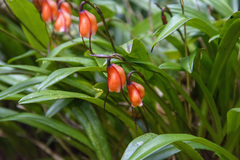 Dracula sodiroi Father Sodiro's Dracula Photo: CC BY, Frank Dietze
 Dracula chimaera Chimera Dracula Photo: CC BY-SA, Orchi
 Dracula cordobae Photo: CC BY, Elena Gaillard from New York, USA
 Dracula gigas Photo: CC BY-SA, Orchi
 Dracula lafleurii Photo: CC BY, Nolan Exe
 Dracula lotax Photo: CC BY-SA, Thibaud Aronson
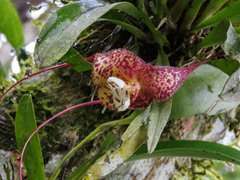 Dracula bella Photo: CC BY-SA, Esteban Villa Restrepo
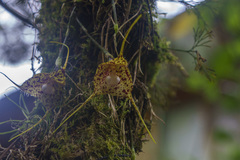 Dracula vespertilio Photo: CC BY, Frank Dietze
 Dracula erythrochaete Photo: CC BY-SA, David J. Stang
 Dracula hirtzii Photo: CC BY, sunoochi from Sapporo, Hokkaido, Japan
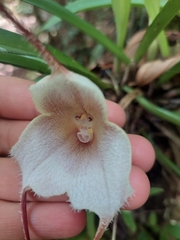 Dracula amaliae Photo: CC BY, Daniel Mesa
 Dracula chestertonii Photo: CC BY-SA, Orchi
 Dracula inaequalis Photo: CC BY-SA, Orchi
 Dracula marsupialis Photo: CC BY, sunoochi from Sapporo, Hokkaido, Japan
 Dracula benedicti Photo: CC BY-SA, NasserHalaweh
 Dracula carlueri Photo: CC BY-SA, David J. Stang
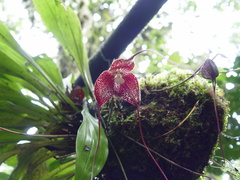 Dracula chiroptera Photo: CC BY, Frank Dietze
- no open photograph on file Dracula fuliginosa
 Dracula polyphemus Photo: CC BY-SA, Orchi
- no open photograph on file Dracula severa
 Dracula velutina Photo: CC BY-SA, Orchi
- no open photograph on file Dracula anthracina
 Dracula brangeri Photo: CC BY-SA, Rudolphous
- no open photograph on file Dracula cutis-bufonis
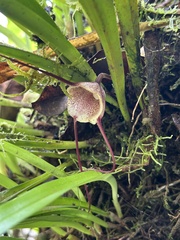 Dracula dalessandroi Photo: CC BY, Mark
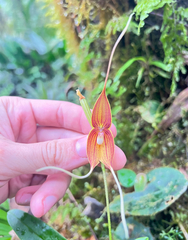 Dracula dodsonii Photo: CC0, rpadilla_
 Dracula gorgona Photo: CC0, Daniel van der Post
 Dracula houtteana Photo: CC BY, Luis Pérez from Medellin, Colombia
- no open photograph on file Dracula mantissa
- no open photograph on file Dracula nycterina
 Dracula psittacina Photo: CC BY-SA, Orchi
 Dracula pusilla Photo: CC BY-SA, Orchi
 Dracula radiosa Photo: CC BY-SA, Orchi
 Dracula robledorum Photo: CC BY-SA, ShakataGaNai
- no open photograph on file Dracula vlad-tepes
 Dracula wallisii Photo: CC BY-SA, OpenCage.info
 Dracula astuta Photo: CC BY, Andrey Loria
- no open photograph on file Dracula berthae
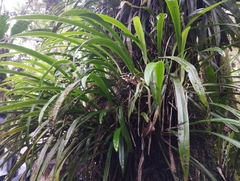 Dracula citrina Photo: CC BY, Sebastian Serna Muñoz
- no open photograph on file Dracula deltoidea
- no open photograph on file Dracula kareniae
- no open photograph on file Dracula ligiae Ligia's Dracula
 Dracula minax Photo: CC BY-SA, Orchi
 Dracula mopsus Photo: CC BY-SA, Dalton Holland Baptista
 Dracula posadarum Photo: CC BY-SA, Orchi
Grown: iNaturalist's observations of the species marked captive or cultivated; "not counted" where the species list does not count it. Native ranges: Kew's World Checklist of Vascular Plants (Govaerts et al., CC BY 4.0), file of 4 June 2026. Grown: iNaturalist's observations marked captive or cultivated, counted 17 October 2026 (the species list's count). Habitat climate known: the species page has a habitat climate, read from CHELSA's monthly climate and NASA POWER's daily extremes at its well-placed wild records inside Kew's native range; each page says its own sources and days. Record low: the lowest night in NASA POWER's daily series at the habitat's typical spot, as the species page gives it, held in °C to a tenth and shown in your units; each page says its own years and day read. Counts as the reference built on 19 November 2026 holds them. The CSV holds every result, not only this page's.