Drosera
261 species in the reference · family Droseraceae · 214 with a habitat climate · 62 grown, per iNaturalist, 199 not counted
About the genus
Drosera, which is commonly known as the sundews, is one of the largest genera of carnivorous plants, with at least 194 species. These members of the family Droseraceae lure, capture, and digest insects using stalked mucilaginous glands covering their leaf surfaces. The insects are used to supplement the poor mineral nutrition of the soil in which the plants grow. Various species, which vary greatly in size and form, are native to every continent except Antarctica.
Quoted from Wikipedia, "Drosera", its opening paragraph, revision 1383565343, read 2026-11-08, CC BY-SA 4.0.
Where Drosera is native
| Western Australia | 148 |
|---|---|
| Cape Provinces | 26 |
| Brazil Southeast | 24 |
| Northern Territory | 17 |
| Queensland | 17 |
| Venezuela | 15 |
| Victoria | 14 |
| South Australia | 13 |
| New South Wales | 12 |
| Tasmania | 12 |
| Brazil North | 10 |
| Brazil Northeast | 10 |
Species native to each region. A species counts in every region it is native to. Native ranges: Kew's World Checklist of Vascular Plants (Govaerts et al., CC BY 4.0), file of 4 June 2026.
261 species
Drosera
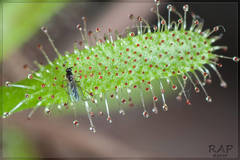 Drosera capensis Cape sundew Photo: CC BY, RAP
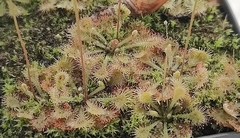 Drosera spatulata Rosy Sundew Photo: CC BY, amborella
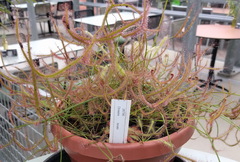 Drosera binata Forked Sundew Photo: CC BY, Michel Langeveld
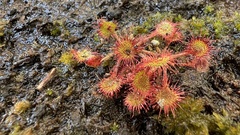 Drosera rotundifolia Round-leaved sundew Photo: CC BY-SA, Keith Seifert
 Drosera filiformis Dew-thread Photo: CC BY-SA, Chris Hoess
 Drosera adelae Photo: CC BY, Hugo Innes
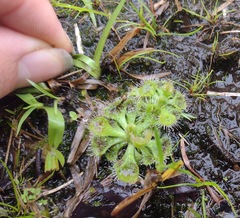 Drosera burmanni Photo: CC BY, Kevin Faccenda
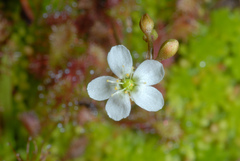 Drosera intermedia Oblong-leaved sundew Photo: CC BY-SA, Douglas Goldman
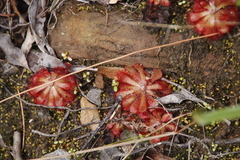 Drosera aliciae Alice sundew Photo: CC BY-SA, Tony Rebelo
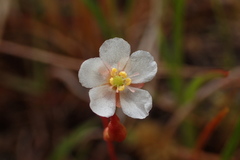 Drosera capillaris Pink sundew Photo: CC0, Austin Pursley
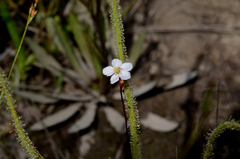 Drosera tracyi Tracy's sundew Photo: CC BY-SA, James (Jim) Duggan
 Drosera brevifolia Dwarf sundew Photo: CC BY, Michelle W. (鍾偉瑋)
 Drosera finlaysonii Photo: CC BY, 國立臺灣博物館
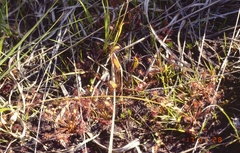 Drosera anglica Great sundew Photo: CC BY, F. Bemmerlein-Lux
 Drosera madagascariensis Madagascar Sundew Photo: CC BY, National Geographic Okavango Wilderness…
 Drosera regia King Sundew Photo: CC BY, Michel Langeveld
 Drosera tokaiensis Photo: CC BY-SA, Alpsdake
 Drosera paradoxa Photo: CC BY-SA, Jan Wieneke
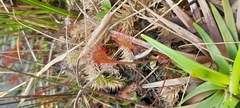 Drosera nidiformis Photo: CC0, Phindile Mboyi
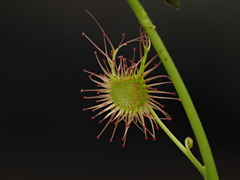 Drosera auriculata Photo: CC BY, Emily Roberts
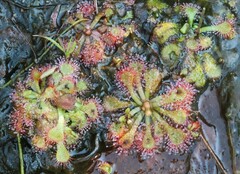 Drosera natalensis Natal Sundew Photo: CC BY-SA, Mark Liptrot
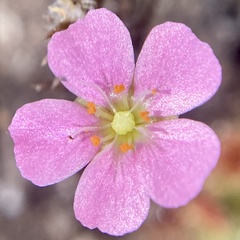 Drosera pulchella Pretty Sundew Photo: CC BY, pimelea
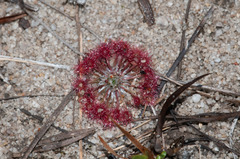 Drosera pygmaea Photo: CC BY, Rolf Lawrenz
 Drosera serpens Photo: CC BY, Hugo Innes
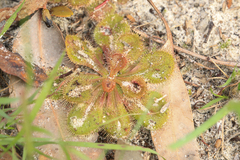 Drosera whittakeri Whittaker's sundew Photo: CC0, Joshua S. Martin
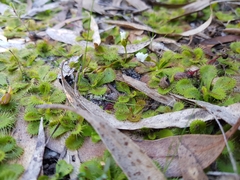 Drosera aberrans Scented sundew Photo: CC BY, Lek Khauv
 Drosera admirabilis Photo: CC BY, De Waal Hugo
 Drosera hamiltonii Photo: CC BY, Hugo Innes
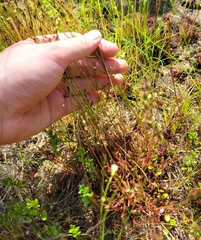 Drosera × hybrida Hybrid sundew Photo: CC BY, jamie bee
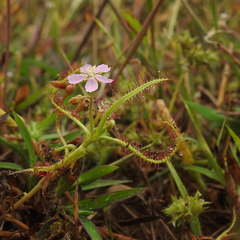 Drosera indica Indian Sundew Photo: CC BY, Paulmathi Vinod
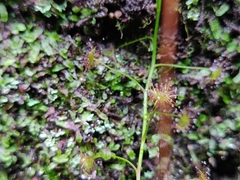 Drosera lunata Photo: CC BY, T R Shankar Raman
 Drosera prolifera Photo: CC BY-SA, Petr Dlouhý
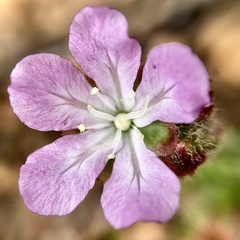 Drosera scorpioides Shaggy sundew Photo: CC BY, pimelea
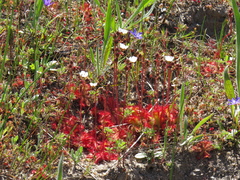 Drosera trinervia Small Sundew Photo: CC BY, Jeremy Gilmore
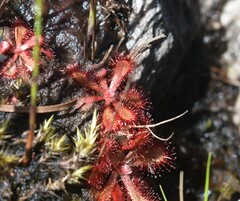 Drosera venusta Photo: CC BY, Justin Ponder
 Drosera cuneifolia Peninsula Sundew Photo: CC BY, Jeremy Gilmore
 Drosera falconeri Photo: CC BY, Rosťa Kracík
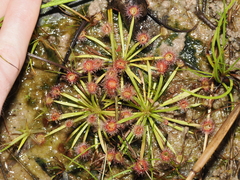 Drosera fulva Photo: CC BY, Thomas Mesaglio
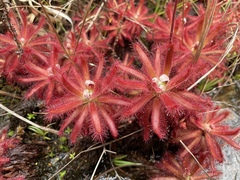 Drosera graomogolensis Photo: CC BY, B. Phalan
 Drosera linearis Linear-leaved sundew Photo: CC BY, Louis Imbeau
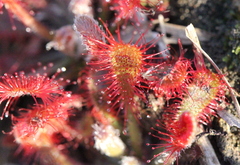 Drosera oblanceolata Photo: CC0, Agnes Trekker
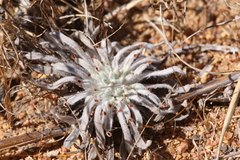 Drosera ordensis Photo: CC BY, Hugo Innes
 Drosera peltata Photo: CC BY, Thomas Mesaglio
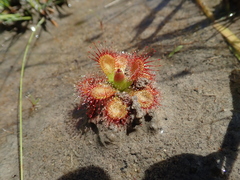 Drosera sessilifolia Tooth Sundew Photo: CC0, Tsssss
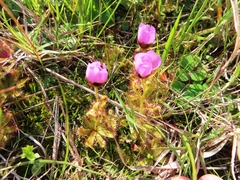 Drosera zeyheri Photo: CC BY, linkie
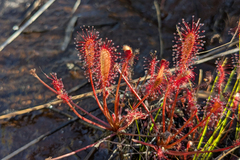 Drosera affinis Slender-leaved Sundew Photo: CC BY, Kristof Zyskowski
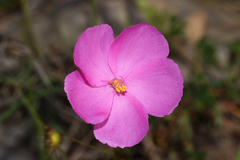 Drosera menziesii Pink Rainbow Photo: CC BY, T. Hammer
 Drosera nitidula Photo: CC BY, Hugo Innes
Grown: iNaturalist's observations of the species marked captive or cultivated; "not counted" where the species list does not count it. Native ranges: Kew's World Checklist of Vascular Plants (Govaerts et al., CC BY 4.0), file of 4 June 2026. Grown: iNaturalist's observations marked captive or cultivated, counted 17 October 2026 (the species list's count). Habitat climate known: the species page has a habitat climate, read from CHELSA's monthly climate and NASA POWER's daily extremes at its well-placed wild records inside Kew's native range; each page says its own sources and days. Record low: the lowest night in NASA POWER's daily series at the habitat's typical spot, as the species page gives it, held in °C to a tenth and shown in your units; each page says its own years and day read. Counts as the reference built on 19 November 2026 holds them. The CSV holds every result, not only this page's.