Echinopsis
55 species in the reference · family Cactaceae · 42 with a habitat climate · 47 grown, per iNaturalist, 8 not counted
About the genus
Echinopsis is a genus of cacti native to South America, sometimes known as hedgehog cactus, sea-urchin cactus or Easter lily cactus. As of November 2025, Plants of the World Online used a broad circumscription of the genus, resulting in about 80 accepted species, ranging from large and treelike types to small globose cacti. The name derives from echinos hedgehog or sea urchin, and opsis appearance, a reference to these plants' dense coverings of spines.
Quoted from Wikipedia, "Echinopsis", its opening paragraph, revision 1377624757, read 2026-11-08, CC BY-SA 4.0.
Where Echinopsis is native
| Bolivia | 33 |
|---|---|
| Argentina Northwest | 26 |
| Peru | 10 |
| Chile North | 4 |
| Argentina Northeast | 3 |
| Paraguay | 2 |
| Brazil South | 1 |
| Brazil West-Central | 1 |
| Ecuador | 1 |
| Uruguay | 1 |
Species native to each region. A species counts in every region it is native to. Native ranges: Kew's World Checklist of Vascular Plants (Govaerts et al., CC BY 4.0), file of 4 June 2026.
55 species
Echinopsis
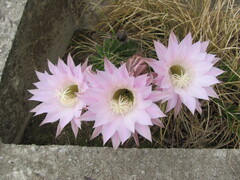 Echinopsis oxygona Pink Easter-lily cactus Photo: CC BY, zebedeugalinha
 Echinopsis chamaecereus Peanut cactus Photo: CC BY, Malena Lorente
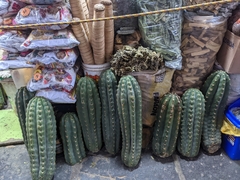 Echinopsis macrogona Sacred Column Cactus Photo: CC0, Zoltán Stekkelpak
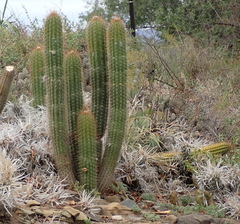 Echinopsis spachiana Golden column Photo: CC BY-SA, Nicola van Berkel
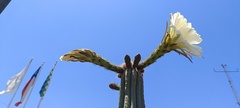 Echinopsis pachanoi San Pedro Cactus Photo: CC0, Naturalist Tours
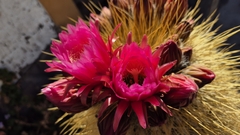 Echinopsis tarijensis Photo: CC BY, Frank Dietze
 Echinopsis lageniformis Photo: CC BY, Duarte Frade
 Echinopsis candicans Photo: CC BY, aacocucci
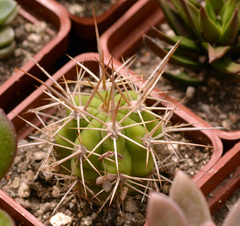 Echinopsis bridgesii Photo: CC BY, Igor Balashov
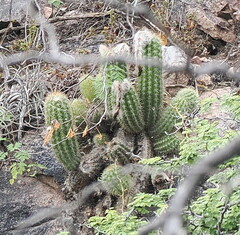 Echinopsis huascha Photo: CC BY, Rosario Douglas
 Echinopsis crassicaulis Photo: CC BY, Dick Culbert from Gibsons, B.C., Canada
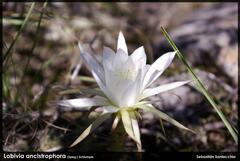 Echinopsis ancistrophora Photo: CC0, Sebastián Santecchia
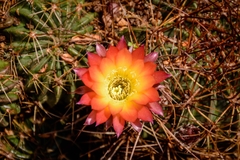 Echinopsis maximiliana Photo: CC BY, Claudio Laura Daza
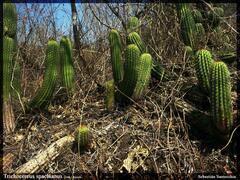 Echinopsis schickendantzii Photo: CC0, Sebastián Santecchia
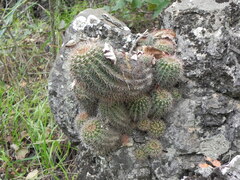 Echinopsis calochlora Photo: CC BY, Thomaz Ricardo Favreto Sinani
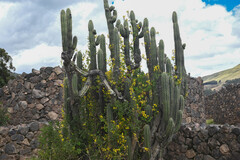 Echinopsis cuzcoensis San Pedro cactus Photo: CC BY, Anders Hastings
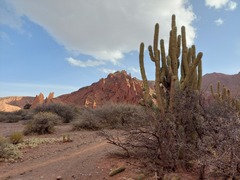 Echinopsis tacaquirensis Photo: CC0, Mateo Tapia
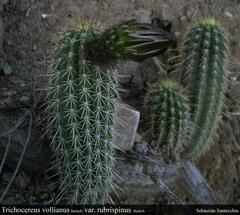 Echinopsis volliana Photo: CC0, Sebastián Santecchia
 Echinopsis arachnacantha Photo: CC BY, Andrés Ramírez-Barrera
 Echinopsis pentlandii Photo: CC BY, Andre Hosper
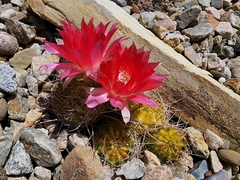 Echinopsis hertrichiana Photo: CC BY, Trevor Harding
 Echinopsis bruchii Photo: CC BY, Yazz'
 Echinopsis cinnabarina Photo: CC0, Stickpen
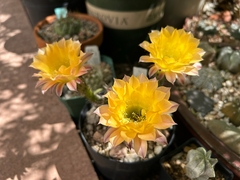 Echinopsis aurea Photo: CC BY, Elliott Gordon
 Echinopsis formosa Photo: CC BY, Leonel Roget
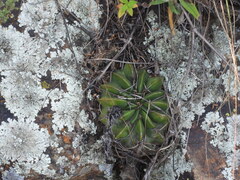 Echinopsis obrepanda Photo: CC0, jose_balderrama
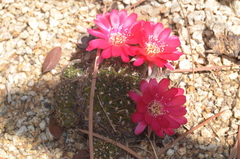 Echinopsis backebergii Photo: CC BY, Trevor Harding
 Echinopsis ferox Photo: CC BY, Larus
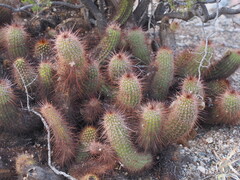 Echinopsis strigosa Photo: CC BY, Rosario Douglas
 Echinopsis haematantha Photo: CC0, Sebastián Santecchia
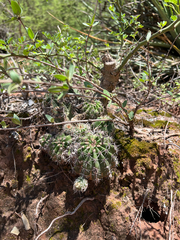 Echinopsis albispinosa Photo: CC BY, Kay Urban
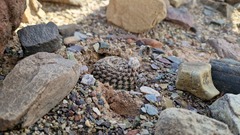 Echinopsis densispina Photo: CC0, Carl Howard-Morton
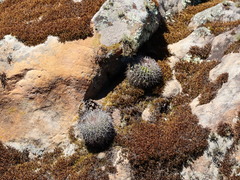 Echinopsis mamillosa Photo: CC0, Mateo Tapia
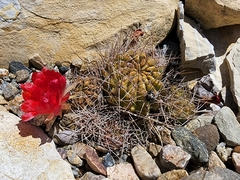 Echinopsis rauschii Photo: CC BY, Trevor Harding
 Echinopsis schieliana Photo: CC BY-SA, C T Johansson
 Echinopsis thelegona Photo: CC BY, CK2AZ
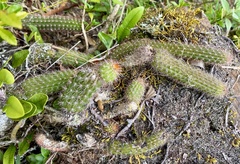 Echinopsis vasquezii Photo: CC BY, Raquel Mondino
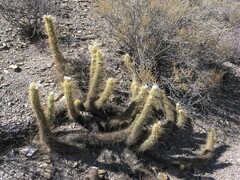 Echinopsis camarguensis Photo: CC BY, Lon Brehmer
 Echinopsis cardenasiana Photo: CC0, Mateo Tapia
 Echinopsis hahniana Photo: CC BY-SA, Michael Wolf (Webseite)
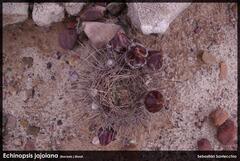 Echinopsis jajoana Photo: CC0, Sebastián Santecchia
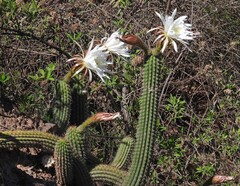 Echinopsis thelegonoides Photo: CC0, Hugo Hulsberg
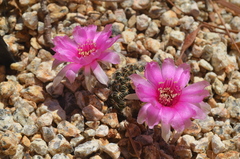 Echinopsis tiegeliana Photo: CC BY, Trevor Harding
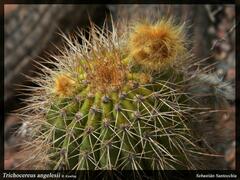 Echinopsis angelesiae Photo: CC0, Sebastián Santecchia
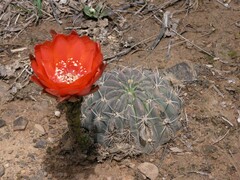 Echinopsis calorubra Photo: CC BY, Lon Brehmer
 Echinopsis oligotricha Photo: CC0, Alfredo F. Fuentes Claros
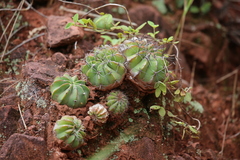 Echinopsis rojasii Photo: CC BY, Andy Jordan
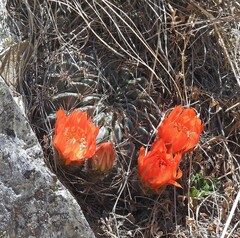 Echinopsis chrysochete Photo: CC0, Hugo Hulsberg
Grown: iNaturalist's observations of the species marked captive or cultivated; "not counted" where the species list does not count it. Native ranges: Kew's World Checklist of Vascular Plants (Govaerts et al., CC BY 4.0), file of 4 June 2026. Grown: iNaturalist's observations marked captive or cultivated, counted 17 October 2026 (the species list's count). Habitat climate known: the species page has a habitat climate, read from CHELSA's monthly climate and NASA POWER's daily extremes at its well-placed wild records inside Kew's native range; each page says its own sources and days. Record low: the lowest night in NASA POWER's daily series at the habitat's typical spot, as the species page gives it, held in °C to a tenth and shown in your units; each page says its own years and day read. Counts as the reference built on 19 November 2026 holds them. The CSV holds every result, not only this page's.