Epilobium
39 species in the reference · family Onagraceae · 38 with a habitat climate · 36 grown, per iNaturalist, 3 not counted
About the genus
Epilobium is a genus of flowering plants in the family Onagraceae, containing about 197 species. The genus has a worldwide distribution. It is most prevalent in the subarctic, temperate and subantarctic regions, whereas in the subtropics and tropics Epilobium species are restricted to the cool montane biomes, such as the New Guinea Highlands.
Quoted from Wikipedia, "Epilobium", its opening paragraph, revision 1375907476, read 2026-11-08, CC BY-SA 4.0.
Where Epilobium is native
| California | 16 |
|---|---|
| Austria | 15 |
| France | 15 |
| Germany | 15 |
| Italy | 15 |
| Oregon | 15 |
| Switzerland | 15 |
| Bulgaria | 14 |
| Czechoslovakia | 14 |
| Romania | 14 |
| Yugoslavia | 14 |
| Greece | 13 |
Species native to each region. A species counts in every region it is native to. Native ranges: Kew's World Checklist of Vascular Plants (Govaerts et al., CC BY 4.0), file of 4 June 2026.
39 species
Epilobium
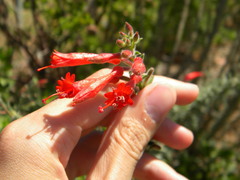 Epilobium canum Hummingbird trumpet Photo: CC0, Tim Kirsten
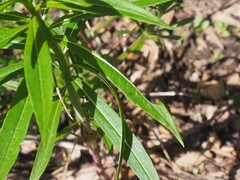 Epilobium angustifolium Fireweed Photo: CC0, anthocyana
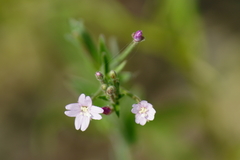 Epilobium ciliatum American willowherb Photo: CC BY-SA, psweet
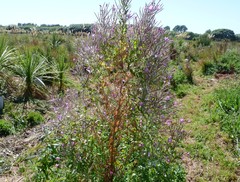 Epilobium hirsutum Great willowherb Photo: CC BY-SA, Colin Meurk
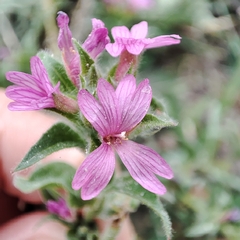 Epilobium densiflorum Dense-flowered willowherb Photo: CC0, Sofie Meeus
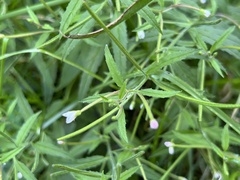 Epilobium coloratum Cinnamon willowherb Photo: CC BY-SA, Branson Khounvichith
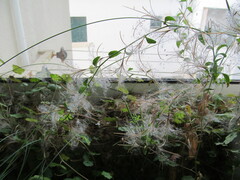 Epilobium parviflorum Hoary willowherb Photo: CC BY, zebedeugalinha
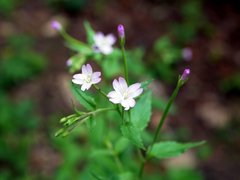 Epilobium montanum Broad-leaved willowherb Photo: CC BY, Wolfgang Jauch
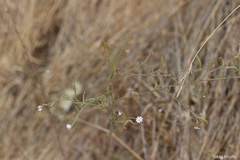 Epilobium brachycarpum Tall annual willowherb Photo: CC BY, Isaac Krone
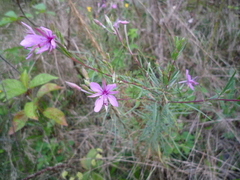 Epilobium dodonaei Photo: CC BY, Oleksandr Shynder
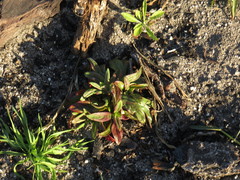 Epilobium tetragonum Square-stemmed willowherb Photo: CC BY, Jeremy Gilmore
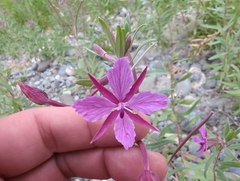 Epilobium latifolium Photo: CC BY, Matt Muir
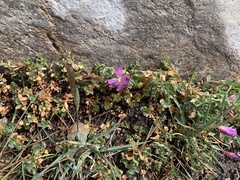 Epilobium obcordatum Rockfringe Willowherb Photo: CC BY, Neal Kelso
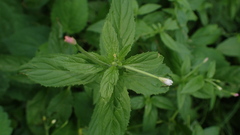 Epilobium roseum Pale willowherb Photo: CC BY, Marcin Dyderski
 Epilobium brunnescens New Zealand Willowherb Photo: CC BY, Joe Dillon
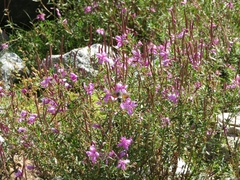 Epilobium colchicum Photo: CC BY, Марина
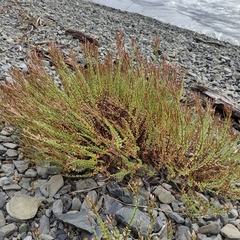 Epilobium melanocaulon Photo: CC BY, Jenny Saito
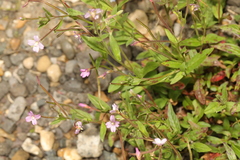 Epilobium obscurum Short-fruited willowherb Photo: CC0, Stephen James McWilliam
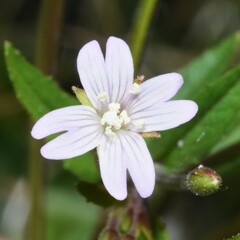 Epilobium anagallidifolium Alpine willowherb Photo: CC BY, Gabriel Campbell-Martinez
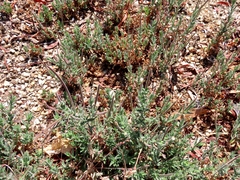 Epilobium hirtigerum Hairy Willowherb Photo: CC BY, Elspeth Swan
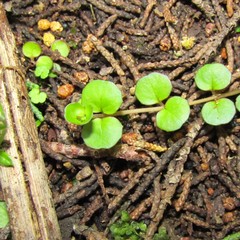 Epilobium nummulariifolium Photo: CC BY, wild_wind
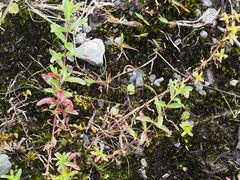 Epilobium billardiereanum Robust willowherb Photo: CC BY, Kevin Faccenda
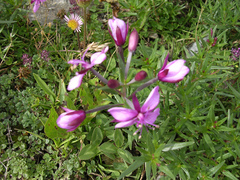 Epilobium fleischeri Photo: CC BY, Felicia Seichter
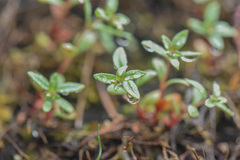 Epilobium minutum Small-flowered willowherb Photo: CC0, Thompson Hyggen
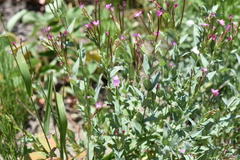 Epilobium glaberrimum Glaucous willowherb Photo: CC0, Shirley Morrison
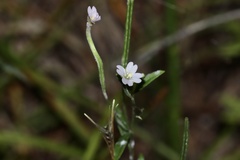 Epilobium leptophyllum Bog willowherb Photo: CC BY, Dustin Snider
 Epilobium septentrionale Northern willowherb Photo: CC BY, Trevor Van Loon
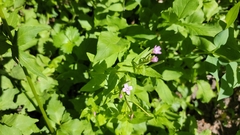 Epilobium hornemannii Hornemann's willowherb Photo: CC BY, Conquest
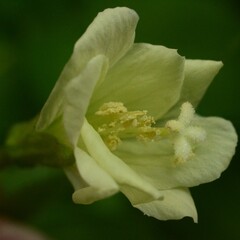 Epilobium luteum Yellow willowherb Photo: CC BY, Gabriel Campbell-Martinez
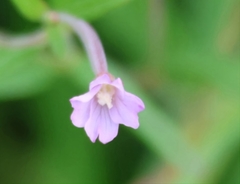 Epilobium palustre Marsh willowherb Photo: CC BY, ikelman
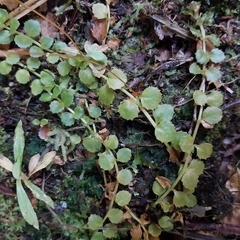 Epilobium pedunculare Rockery Willowherb Photo: CC BY, kiwialli
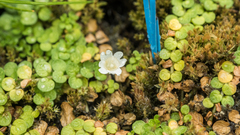 Epilobium komarovianum Bronzy Willowherb Photo: CC BY, Cara-Lisa Schloots
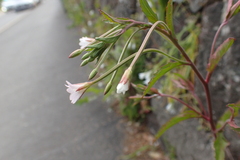 Epilobium lanceolatum Spear-leaved willowherb Photo: CC BY, Clare Bowley
 Epilobium alsinifolium Chickweed Willowherb Photo: CC BY, Wolfgang Jauch
 Epilobium crassum Photo: CC BY, John Barkla
 Epilobium rigidum Siskiyou mountains willowherb Photo: CC0, Drew Meyer
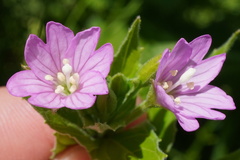 Epilobium alpestre Whorled-leaved Willowherb Photo: CC BY, Patrick Hacker
- no open photograph on file Epilobium nerterioides
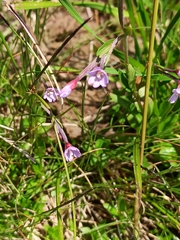 Epilobium nutans Hornemann's Willowherb Photo: CC0, Hanka Sokolová
Grown: iNaturalist's observations of the species marked captive or cultivated; "not counted" where the species list does not count it. Native ranges: Kew's World Checklist of Vascular Plants (Govaerts et al., CC BY 4.0), file of 4 June 2026. Grown: iNaturalist's observations marked captive or cultivated, counted 17 October 2026 (the species list's count). Habitat climate known: the species page has a habitat climate, read from CHELSA's monthly climate and NASA POWER's daily extremes at its well-placed wild records inside Kew's native range; each page says its own sources and days. Record low: the lowest night in NASA POWER's daily series at the habitat's typical spot, as the species page gives it, held in °C to a tenth and shown in your units; each page says its own years and day read. Counts as the reference built on 19 November 2026 holds them. The CSV holds every result, not only this page's.