Erythroxylum
12 species in the reference · family Erythroxylaceae · 12 with a habitat climate · 12 grown, per iNaturalist
About the genus
Erythroxylum is a genus of tropical flowering plants in the family Erythroxylaceae. Many of the approximately 200 species contain the tropane alkaloid cocaine, and two of the species within this genus, Erythroxylum coca and Erythroxylum novogranatense, both native to South America, are the main commercial source of cocaine and of the mild stimulant coca tea. Another species, Erythroxylum vaccinifolium (also known as catuaba) is used as an aphrodisiac in Brazilian drinks and herbal medicine. Erythroxylum australe was traditionally used by Aboriginal Australians for rites and other practices.
Quoted from Wikipedia, "Erythroxylum", its opening paragraph, revision 1337866755, read 2026-11-08, CC BY-SA 4.0.
Where Erythroxylum is native
| Myanmar | 3 |
|---|---|
| Argentina Northeast | 2 |
| Bangladesh | 2 |
| Bolivia | 2 |
| Brazil South | 2 |
| Brazil Southeast | 2 |
| Colombia | 2 |
| Cuba | 2 |
| Dominican Republic | 2 |
| Ecuador | 2 |
| Haiti | 2 |
| Leeward Is. AB Ant | 2 |
Species native to each region. A species counts in every region it is native to. Native ranges: Kew's World Checklist of Vascular Plants (Govaerts et al., CC BY 4.0), file of 4 June 2026.
12 species
Erythroxylum
 Erythroxylum coca Coca Photo: CC BY, Daniel A. Monsalve Ortiz
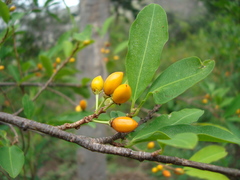 Erythroxylum novogranatense Colombian coca Photo: CC0, Manuel Roncal
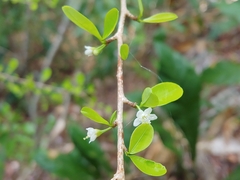 Erythroxylum brevipes Brisselet Photo: CC BY-SA, Kurt Miller
 Erythroxylum cuneatum Photo: CC0, Lannafolium
 Erythroxylum monogynum Red Cedar Photo: CC0, S.MORE
 Erythroxylum argentinum Photo: CC BY, aacocucci
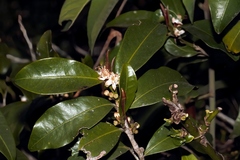 Erythroxylum emarginatum African Coca-tree Photo: CC BY, i_c_riddell
 Erythroxylum hypericifolium Photo: CC0, S Molteno
 Erythroxylum laurifolium Photo: CC BY, Augustin Soulard
 Erythroxylum microphyllum Photo: CC BY, Jens-Christian Svenning
- no open photograph on file Erythroxylum sinense
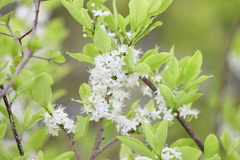 Erythroxylum areolatum Swamp-redwood Photo: CC BY, Robin White
Grown: iNaturalist's observations of the species marked captive or cultivated; "not counted" where the species list does not count it. Native ranges: Kew's World Checklist of Vascular Plants (Govaerts et al., CC BY 4.0), file of 4 June 2026. Grown: iNaturalist's observations marked captive or cultivated, counted 17 October 2026 (the species list's count). Habitat climate known: the species page has a habitat climate, read from CHELSA's monthly climate and NASA POWER's daily extremes at its well-placed wild records inside Kew's native range; each page says its own sources and days. Record low: the lowest night in NASA POWER's daily series at the habitat's typical spot, as the species page gives it, held in °C to a tenth and shown in your units; each page says its own years and day read. Counts as the reference built on 19 November 2026 holds them. The CSV holds every result, not only this page's.