Eucryphia
6 species in the reference · family Cunoniaceae · 5 with a habitat climate · 6 grown, per iNaturalist
About the genus
Eucryphia is a small genus of trees and large shrubs native to the south temperate regions of South America and coastal eastern Australia, predominantly Tasmania. Some common names include leatherwood in Australia, and Ulmo, Nirre or Guindo santo in Argentina and Chile. Sometimes placed in a family of their own, the Eucryphiaceae, they are placed by more recent classifications in the Cunoniaceae. There are seven species, two in South America and five in Australia, and several named hybrids.
Quoted from Wikipedia, "Eucryphia", its opening paragraph, revision 1367898758, read 2026-11-08, CC BY-SA 4.0.
Where Eucryphia is native
| Chile Central | 3 |
|---|---|
| Tasmania | 2 |
| Argentina South | 1 |
| Chile South | 1 |
| New South Wales | 1 |
| Victoria | 1 |
Species native to each region. A species counts in every region it is native to. Native ranges: Kew's World Checklist of Vascular Plants (Govaerts et al., CC BY 4.0), file of 4 June 2026.
6 species
Eucryphia
 Eucryphia cordifolia Ulmo Photo: CC BY, Cristian Riquelme
 Eucryphia lucida Photo: CC BY-SA, Miguel de Salas
 Eucryphia glutinosa Photo: CC BY-SA, Tony Rebelo
 Eucryphia × nymansensis Photo: CC BY, ashley BALSAM baz from uk
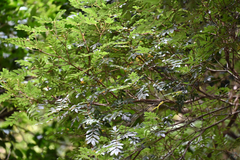 Eucryphia moorei Acacia-plum Photo: CC BY, Bryce Watts-Parker
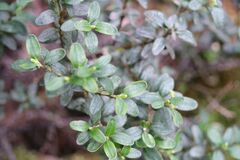 Eucryphia milliganii Dwarf leatherwood Photo: CC BY, Peter Crowcroft
Grown: iNaturalist's observations of the species marked captive or cultivated; "not counted" where the species list does not count it. Native ranges: Kew's World Checklist of Vascular Plants (Govaerts et al., CC BY 4.0), file of 4 June 2026. Grown: iNaturalist's observations marked captive or cultivated, counted 17 October 2026 (the species list's count). Habitat climate known: the species page has a habitat climate, read from CHELSA's monthly climate and NASA POWER's daily extremes at its well-placed wild records inside Kew's native range; each page says its own sources and days. Record low: the lowest night in NASA POWER's daily series at the habitat's typical spot, as the species page gives it, held in °C to a tenth and shown in your units; each page says its own years and day read. Counts as the reference built on 19 November 2026 holds them. The CSV holds every result, not only this page's.