Isoetes
8 species in the reference · family Isoetaceae · 5 with a habitat climate · 4 grown, per iNaturalist, 4 not counted
About the genus
Isoetes, commonly known as the quillworts, is a genus of lycopod. It is the only living genus in the family Isoetaceae and order Isoetales. As of 2016, there were about 200 recognized species, with a cosmopolitan distribution mostly in aquatic habitats but with the individual species often scarce to rare. Species virtually identical to modern quillworts have existed since the Jurassic epoch, though the timing of the origin of modern Isoetes is subject to considerable uncertainty.
Quoted from Wikipedia, "Isoetes", its opening paragraph, revision 1368843833, read 2026-11-08, CC BY-SA 4.0.
Where Isoetes is native
| France | 4 |
|---|---|
| Italy | 4 |
| Spain | 4 |
| Great Britain | 3 |
| Algeria | 2 |
| Austria | 2 |
| Baleares | 2 |
| Baltic States | 2 |
| Central European Russia | 2 |
| Corse | 2 |
| Czechoslovakia | 2 |
| Denmark | 2 |
Species native to each region. A species counts in every region it is native to. Native ranges: Kew's World Checklist of Vascular Plants (Govaerts et al., CC BY 4.0), file of 4 June 2026.
8 species
Isoetes
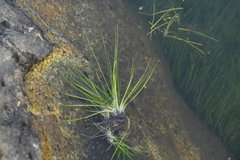 Isoetes taiwanensis Taiwan Quillwort Photo: CC BY, 曾昱承 Yu-Cheng Zeng
- no open photograph on file Isoetes sinensis Narrow quillwort
- no open photograph on file Isoetes yunguiensis
 Isoetes lacustris Lake quillwort Photo: CC BY, Tim Johnson
 Isoetes echinospora Spring quillwort Photo: CC BY, Timothy McNitt
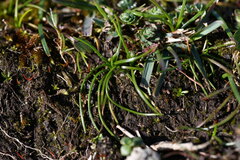 Isoetes histrix Land Quillwort Photo: CC BY, Flavien Saboureau
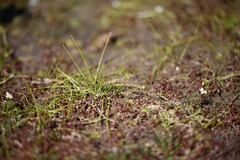 Isoetes longissima Veiled Quillwort Photo: CC BY, Flavien Saboureau
- no open photograph on file Isoetes malinverniana Piedmont Quillwort
Grown: iNaturalist's observations of the species marked captive or cultivated; "not counted" where the species list does not count it. Native ranges: Kew's World Checklist of Vascular Plants (Govaerts et al., CC BY 4.0), file of 4 June 2026. Grown: iNaturalist's observations marked captive or cultivated, counted 17 October 2026 (the species list's count). Habitat climate known: the species page has a habitat climate, read from CHELSA's monthly climate and NASA POWER's daily extremes at its well-placed wild records inside Kew's native range; each page says its own sources and days. Record low: the lowest night in NASA POWER's daily series at the habitat's typical spot, as the species page gives it, held in °C to a tenth and shown in your units; each page says its own years and day read. Counts as the reference built on 19 November 2026 holds them. The CSV holds every result, not only this page's.