Mazus
8 species in the reference · family Mazaceae · 7 with a habitat climate · 8 grown, per iNaturalist
About the genus
Mazus is a genus of low-growing perennial plants. It has been placed in various plant families including Phrymaceae, Scrophulariaceae, and recently in the family Mazaceae. Consisting of around 40 species, this genus is generally found in damp habitats in lowland or mountain regions of China, Japan, India, Southeast Asia, Australia and New Zealand.
Quoted from Wikipedia, "Mazus", its opening paragraph, revision 1298481777, read 2026-11-08, CC BY-SA 4.0.
Where Mazus is native
| New Zealand South | 4 |
|---|---|
| Taiwan | 4 |
| China South-Central | 3 |
| China Southeast | 3 |
| Korea | 3 |
| New Zealand North | 3 |
| Amur | 2 |
| China North-Central | 2 |
| Inner Mongolia | 2 |
| Japan | 2 |
| Khabarovsk | 2 |
| Manchuria | 2 |
Species native to each region. A species counts in every region it is native to. Native ranges: Kew's World Checklist of Vascular Plants (Govaerts et al., CC BY 4.0), file of 4 June 2026.
8 species
Mazus
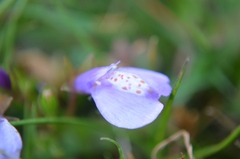 Mazus miquelii Miquel's mazus Photo: CC BY, Evan M. Raskin
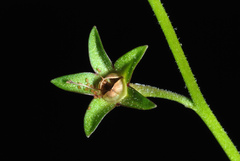 Mazus pumilus Japanese mazus Photo: CC BY-SA, Douglas Goldman
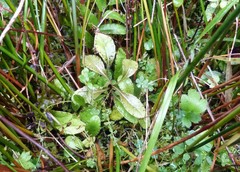 Mazus radicans Swamp Musk Photo: CC BY-SA, Colin Meurk
 Mazus novaezeelandiae Photo: CC BY, Doug Miller
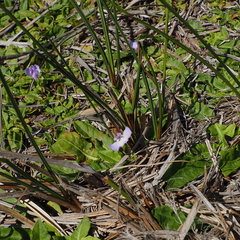 Mazus pumilio Swamp Mazus Photo: CC0, Cowirrie
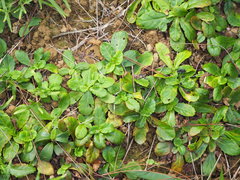 Mazus fauriei Taiwan Mazus Photo: CC0, 葉子
 Mazus stachydifolius Betony-leaf mazus Photo: CC BY, Sun Jiao (Interaccoonale)
 Mazus arenarius Photo: CC BY, John Barkla
Grown: iNaturalist's observations of the species marked captive or cultivated; "not counted" where the species list does not count it. Native ranges: Kew's World Checklist of Vascular Plants (Govaerts et al., CC BY 4.0), file of 4 June 2026. Grown: iNaturalist's observations marked captive or cultivated, counted 17 October 2026 (the species list's count). Habitat climate known: the species page has a habitat climate, read from CHELSA's monthly climate and NASA POWER's daily extremes at its well-placed wild records inside Kew's native range; each page says its own sources and days. Record low: the lowest night in NASA POWER's daily series at the habitat's typical spot, as the species page gives it, held in °C to a tenth and shown in your units; each page says its own years and day read. Counts as the reference built on 19 November 2026 holds them. The CSV holds every result, not only this page's.