Nuphar
10 species in the reference · family Nymphaeaceae · 10 with a habitat climate · 9 grown, per iNaturalist, 1 not counted
About the genus
Nuphar is a genus of aquatic plants in the family Nymphaeaceae, with a temperate to subarctic Northern Hemisphere distribution. Common names include water-lily (Eurasian species; shared with many other genera in the same family), pond-lily, alligator-bonnet or bonnet lily, and spatterdock (North American species).
Quoted from Wikipedia, "Nuphar", its opening paragraph, revision 1321028299, read 2026-11-08, CC BY-SA 4.0.
Where Nuphar is native
| Altay | 3 |
|---|---|
| Baltic States | 3 |
| Central European Russia | 3 |
| Connecticut | 3 |
| Czechoslovakia | 3 |
| Denmark | 3 |
| East European Russia | 3 |
| Finland | 3 |
| France | 3 |
| Germany | 3 |
| Great Britain | 3 |
| Japan | 3 |
Species native to each region. A species counts in every region it is native to. Native ranges: Kew's World Checklist of Vascular Plants (Govaerts et al., CC BY 4.0), file of 4 June 2026.
10 species
Nuphar
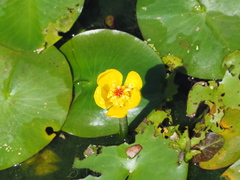 Nuphar pumila Least water-lily Photo: CC0, 葉子
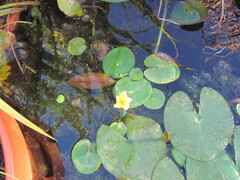 Nuphar lutea Yellow water-lily Photo: CC BY, zebedeugalinha
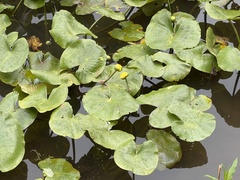 Nuphar advena Spatter-dock Photo: CC BY, Matt Felperin
 Nuphar japonica East Asian yellow water-lily Photo: CC0, 葉子
 Nuphar polysepala Rocky Mountain pond-lily Photo: CC0, Geoffrey Carter
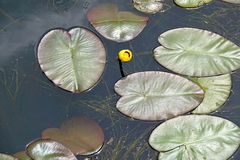 Nuphar variegata Variegated yellow pond-lily Photo: CC0, Ian Whyte
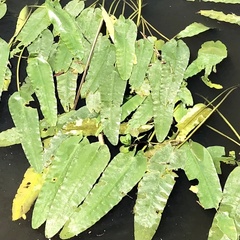 Nuphar sagittifolia Cape Fear spatterdock Photo: CC BY, Sue Ann Kendall
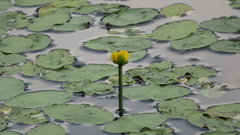 Nuphar subintegerrima Yellow water-lily Photo: CC BY, yajapin
 Nuphar × spenneriana Hybrid-water-lily Photo: CC BY, Valerii Glazunov
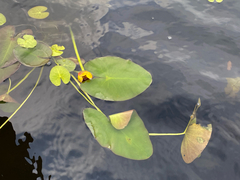 Nuphar × rubrodisca Red-disk yellow pond-lily Photo: CC BY, Quinten Wiegersma
Grown: iNaturalist's observations of the species marked captive or cultivated; "not counted" where the species list does not count it. Native ranges: Kew's World Checklist of Vascular Plants (Govaerts et al., CC BY 4.0), file of 4 June 2026. Grown: iNaturalist's observations marked captive or cultivated, counted 17 October 2026 (the species list's count). Habitat climate known: the species page has a habitat climate, read from CHELSA's monthly climate and NASA POWER's daily extremes at its well-placed wild records inside Kew's native range; each page says its own sources and days. Record low: the lowest night in NASA POWER's daily series at the habitat's typical spot, as the species page gives it, held in °C to a tenth and shown in your units; each page says its own years and day read. Counts as the reference built on 19 November 2026 holds them. The CSV holds every result, not only this page's.