Ormosia
14 species in the reference · family Fabaceae · 12 with a habitat climate · 13 grown, per iNaturalist, 1 not counted
About the genus
Ormosia is a genus of legumes (family Fabaceae), with 130 living species. They are mostly trees or large shrubs, and are native to the tropical Americas, from southwestern Mexico to Bolivia and southern Brazil, to southern, southeastern, and eastern Asia, and to New Guinea and Queensland. Most are tropical, while some extend into temperate regions of China. A few species are threatened by habitat destruction, while the Hainan ormosia (Ormosia howii) is probably extinct already.
Quoted from Wikipedia, "Ormosia", its opening paragraph, revision 1299851081, read 2026-11-08, CC BY-SA 4.0.
Where Ormosia is native
| China Southeast | 6 |
|---|---|
| Colombia | 4 |
| China South-Central | 3 |
| Hainan | 3 |
| Panama | 3 |
| Vietnam | 3 |
| Bolivia | 2 |
| Brazil North | 2 |
| Honduras | 2 |
| Taiwan | 2 |
| Thailand | 2 |
| Venezuela | 2 |
Species native to each region. A species counts in every region it is native to. Native ranges: Kew's World Checklist of Vascular Plants (Govaerts et al., CC BY 4.0), file of 4 June 2026.
14 species
Ormosia
 Ormosia monosperma Bastard Nickars Photo: CC BY, Kristof Zyskowski
 Ormosia pinnata Photo: CC BY-SA, Ong Jyh Seng
- no open photograph on file Ormosia henryi
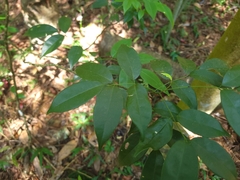 Ormosia formosana Photo: CC BY, 曾昱承 Yu-Cheng Zeng
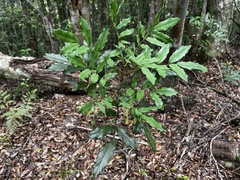 Ormosia hengchuniana Photo: CC BY, 黃美滿
 Ormosia coccinea Photo: CC BY-SA, Tony Rebelo
- no open photograph on file Ormosia hosiei
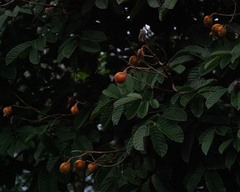 Ormosia arborea Photo: CC0, filipeprates
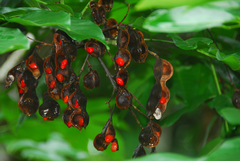 Ormosia macrocalyx Photo: CC BY, William Stephens
 Ormosia pachycarpa Photo: CC0, Agnes Trekker
- no open photograph on file Ormosia colombiana
 Ormosia emarginata Emarginate-leaved Ormosia Photo: CC BY, Toby Y
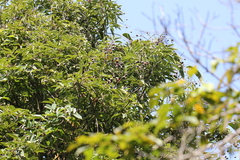 Ormosia semicastrata Soft-fruited Ormosia Photo: CC0, Agnes Trekker
- no open photograph on file Ormosia tovarensis
Grown: iNaturalist's observations of the species marked captive or cultivated; "not counted" where the species list does not count it. Native ranges: Kew's World Checklist of Vascular Plants (Govaerts et al., CC BY 4.0), file of 4 June 2026. Grown: iNaturalist's observations marked captive or cultivated, counted 17 October 2026 (the species list's count). Habitat climate known: the species page has a habitat climate, read from CHELSA's monthly climate and NASA POWER's daily extremes at its well-placed wild records inside Kew's native range; each page says its own sources and days. Record low: the lowest night in NASA POWER's daily series at the habitat's typical spot, as the species page gives it, held in °C to a tenth and shown in your units; each page says its own years and day read. Counts as the reference built on 19 November 2026 holds them. The CSV holds every result, not only this page's.