Phlox
40 species in the reference · family Polemoniaceae · 39 with a habitat climate · 37 grown, per iNaturalist, 3 not counted
About the genus
Phlox (Ancient Greek: φλόξ "flame"; plural "phlox" or "phloxes", Ancient Greek: φλόγες phlóges) is a genus of 68 species of perennial and annual plants in the family Polemoniaceae. They are found mostly in North America (one in Siberia) in diverse habitats from alpine tundra to open woodland and prairie. Some flower in spring, others in summer and fall. Flowers may be pale blue, violet, pink, bright red, or white. More on Wikipedia
Quoted from Wikipedia, "Phlox", its opening paragraph, revision 1371683982, read 2026-11-08, CC BY-SA 4.0.
Where Phlox is native
| Georgia | 13 |
|---|---|
| North Carolina | 13 |
| Virginia | 13 |
| Alabama | 12 |
| Nevada | 12 |
| Texas | 12 |
| Utah | 12 |
| California | 11 |
| Maryland | 11 |
| New Mexico | 11 |
| South Carolina | 11 |
| Tennessee | 11 |
Species native to each region. A species counts in every region it is native to. Native ranges: Kew's World Checklist of Vascular Plants (Govaerts et al., CC BY 4.0), file of 4 June 2026.
40 species
Phlox
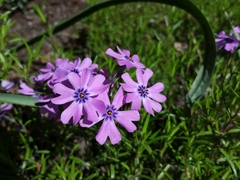 Phlox subulata Moss phlox Photo: CC BY, Even Dankowicz
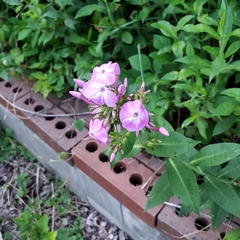 Phlox paniculata Fall phlox Photo: CC BY, Dawn
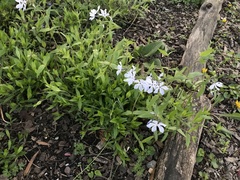 Phlox divaricata Wild blue phlox Photo: CC BY, Michael Ellis
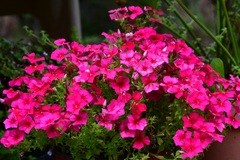 Phlox drummondii Drummond's phlox Photo: CC BY, Neptalí Ramírez Marcial
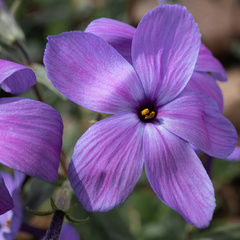 Phlox stolonifera Creeping phlox Photo: CC BY, syvwlch
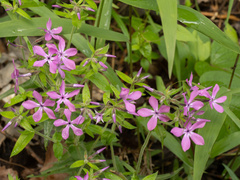 Phlox pilosa Downy phlox Photo: CC BY-SA, Turner Brockman
 Phlox glaberrima Smooth phlox Photo: CC BY-SA, Mike B
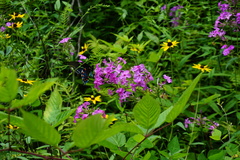 Phlox maculata Wild sweet-William Photo: CC BY, NC Wetlands
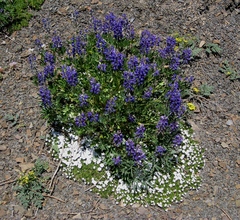 Phlox diffusa Spreading phlox Photo: CC BY-SA, J Brew
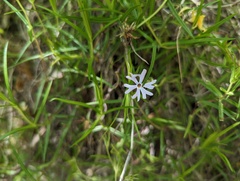 Phlox bifida Cleft phlox Photo: CC BY, Ryan Sorrells
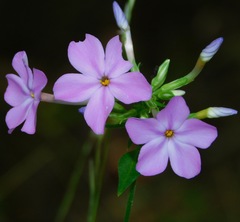 Phlox carolina Thick-leaf phlox Photo: CC BY, Michael J. Papay
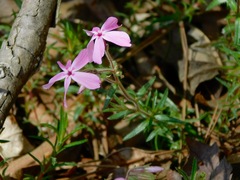 Phlox nivalis Trailing phlox Photo: CC BY, Michael J. Papay
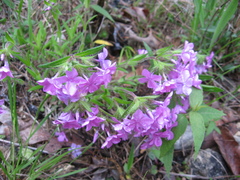 Phlox amoena Hairy phlox Photo: CC0, Mason Brock
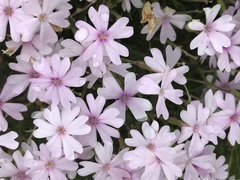 Phlox speciosa Showy phlox Photo: CC BY, Cindy Bell
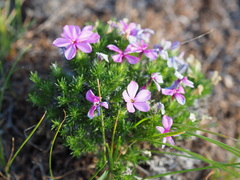 Phlox douglasii Columbia phlox Photo: CC BY, Peter Abrahamsen
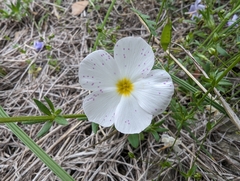 Phlox roemeriana Roemer's phlox Photo: CC BY, Cleveland Powell
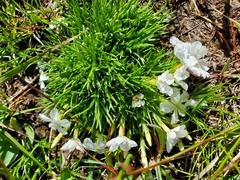 Phlox multiflora Rocky Mountain phlox Photo: CC BY, Rory O'Shea
 Phlox ovata Allegheny phlox Photo: CC BY, Elias
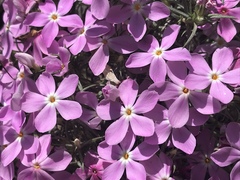 Phlox austromontana Desert phlox Photo: CC BY, Sula Vanderplank
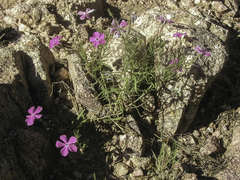 Phlox nana Santa Fe phlox Photo: CC0, Craig Martin
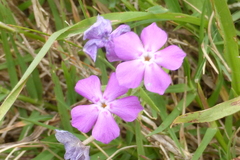 Phlox cuspidata Large-flower phlox Photo: CC BY, John Thomlinson
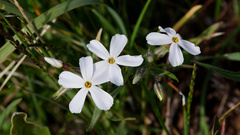 Phlox longifolia Long-leaved phlox Photo: CC BY, Daughter Dad
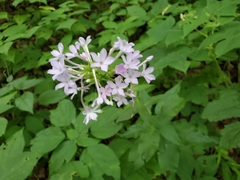 Phlox amplifolia Broadleaf phlox Photo: CC BY, Tom Field
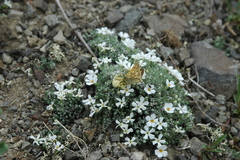 Phlox hoodii Hood's phlox Photo: CC BY, Syd Cannings
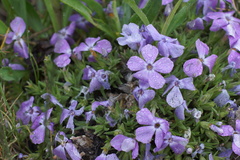 Phlox kelseyi Kelsey's phlox Photo: CC BY, Lyrae
 Phlox missoulensis Missoula phlox Photo: CC BY, Henry Mulligan
 Phlox pulchra Alabama phlox Photo: CC BY-SA, Brian Finzel
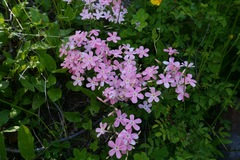 Phlox adsurgens Siskiyou phlox Photo: CC BY-SA, paulexcoff
 Phlox buckleyi Sword-leaf phlox Photo: CC BY, kirk gardner
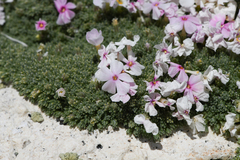 Phlox condensata Compact phlox Photo: CC BY, Trevor Van Loon
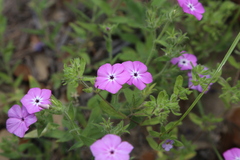 Phlox glabriflora Rio Grande phlox Photo: CC BY, Reid Hardin
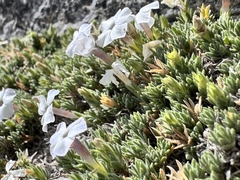 Phlox pulvinata Cushion phlox Photo: CC BY-SA, Matt Lavin
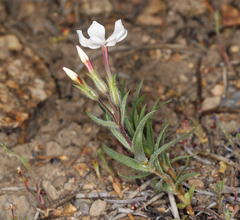 Phlox stansburyi Cold-desert phlox Photo: CC BY, Steve Matson
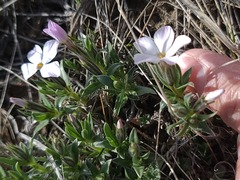 Phlox alyssifolia Blue phlox Photo: CC0, John Gaskin
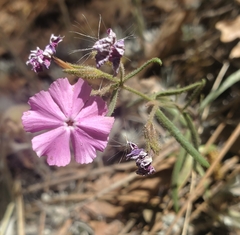 Phlox woodhousei Star phlox Photo: CC BY, Laura Gaudette
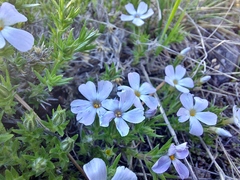 Phlox caespitosa Tufted phlox Photo: CC BY, Ian Adams
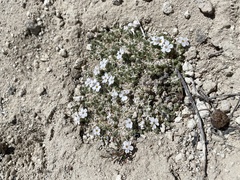 Phlox griseola Gray-leaf phlox Photo: CC BY, Matt Berger
- no open photograph on file Phlox idahonis Clearwater phlox
- no open photograph on file Phlox mesoleuca Threadleaf phlox
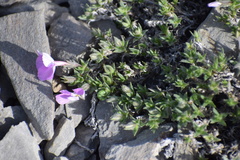 Phlox richardsonii Richardson's phlox Photo: CC BY, Syd Cannings
Grown: iNaturalist's observations of the species marked captive or cultivated; "not counted" where the species list does not count it. Native ranges: Kew's World Checklist of Vascular Plants (Govaerts et al., CC BY 4.0), file of 4 June 2026. Grown: iNaturalist's observations marked captive or cultivated, counted 17 October 2026 (the species list's count). Habitat climate known: the species page has a habitat climate, read from CHELSA's monthly climate and NASA POWER's daily extremes at its well-placed wild records inside Kew's native range; each page says its own sources and days. Record low: the lowest night in NASA POWER's daily series at the habitat's typical spot, as the species page gives it, held in °C to a tenth and shown in your units; each page says its own years and day read. Counts as the reference built on 19 November 2026 holds them. The CSV holds every result, not only this page's.