Pisonia
6 species in the reference · family Nyctaginaceae · 6 with a habitat climate · 6 grown, per iNaturalist
About the genus
Pisonia is a genus of flowering plants in the four o'clock flower family, Nyctaginaceae. It was named for Dutch physician and naturalist Willem Piso (1611–1678). Certain species in this genus are known as catchbirdtrees, birdcatcher trees or birdlime trees because they catch birds. The sticky seeds are postulated to be an adaptation of some island species that ensures the dispersal of seeds between islands by attaching them to birds, and also allows the enriching of coralline sands. More on Wikipedia
Quoted from Wikipedia, "Pisonia", its opening paragraph, revision 1306454576, read 2026-11-08, CC BY-SA 4.0.
Where Pisonia is native
| Puerto Rico | 3 |
|---|---|
| Aldabra | 2 |
| Andaman Is. | 2 |
| Bahamas | 2 |
| Borneo | 2 |
| Cuba | 2 |
| Dominican Republic | 2 |
| Fiji | 2 |
| Florida | 2 |
| Haiti | 2 |
| India | 2 |
| Jamaica | 2 |
Species native to each region. A species counts in every region it is native to. Native ranges: Kew's World Checklist of Vascular Plants (Govaerts et al., CC BY 4.0), file of 4 June 2026.
6 species
Pisonia
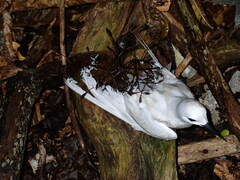 Pisonia grandis Grand devil's-claws Photo: CC BY, Mike Burnett
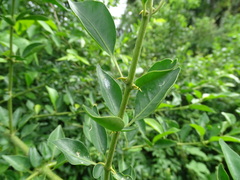 Pisonia aculeata Pullback Photo: CC BY, Alexis López Hernández
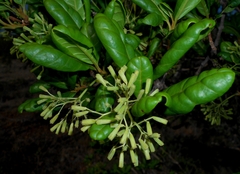 Pisonia rotundata Smooth devil's-claws Photo: CC BY, J. L. Gómez-Hechavarría
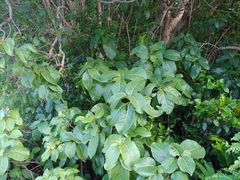 Pisonia subcordata Mappo Photo: CC BY-SA, Kurt Miller
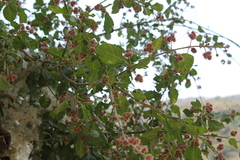 Pisonia capitata Mexican devil's-claws Photo: CC BY, Viacheslav Shalisko
 Pisonia horneae Photo: CC BY-SA, Kurt Miller
Grown: iNaturalist's observations of the species marked captive or cultivated; "not counted" where the species list does not count it. Native ranges: Kew's World Checklist of Vascular Plants (Govaerts et al., CC BY 4.0), file of 4 June 2026. Grown: iNaturalist's observations marked captive or cultivated, counted 17 October 2026 (the species list's count). Habitat climate known: the species page has a habitat climate, read from CHELSA's monthly climate and NASA POWER's daily extremes at its well-placed wild records inside Kew's native range; each page says its own sources and days. Record low: the lowest night in NASA POWER's daily series at the habitat's typical spot, as the species page gives it, held in °C to a tenth and shown in your units; each page says its own years and day read. Counts as the reference built on 19 November 2026 holds them. The CSV holds every result, not only this page's.