Polygonum
11 species in the reference · family Polygonaceae · 11 with a habitat climate · 11 grown, per iNaturalist
About the genus
Polygonum is a genus of about 130 species of flowering plants in the buckwheat and knotweed family Polygonaceae. Common names include knotweed and knotgrass (though the common names may refer more broadly to plants from Polygonaceae). In the Middle English glossary of herbs Alphita (c. 1400–1425), it was known as ars-smerte. More on Wikipedia
Quoted from Wikipedia, "Polygonum", its opening paragraph, revision 1383787048, read 2026-11-08, CC BY-SA 4.0.
Where Polygonum is native
| Algeria | 4 |
|---|---|
| Azores | 4 |
| Bulgaria | 4 |
| Canary Is. | 4 |
| Corse | 4 |
| East Aegean Is. | 4 |
| Greece | 4 |
| Kriti | 4 |
| Morocco | 4 |
| Palestine | 4 |
| Portugal | 4 |
| Sardegna | 4 |
Species native to each region. A species counts in every region it is native to. Native ranges: Kew's World Checklist of Vascular Plants (Govaerts et al., CC BY 4.0), file of 4 June 2026.
11 species
Polygonum
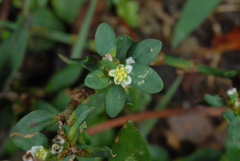 Polygonum aviculare Prostrate knotweed Photo: CC BY-SA, Douglas Goldman
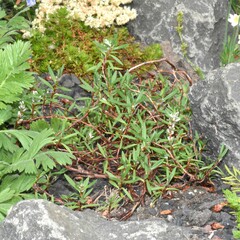 Polygonum paronychia Beach knotweed Photo: CC BY, Gabriel Campbell-Martinez
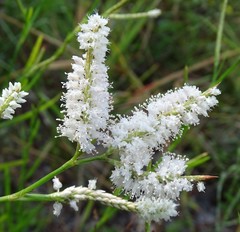 Polygonum nesomii Photo: CC BY-SA, Stan Shebs
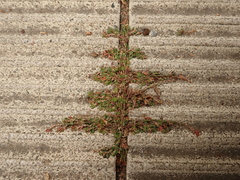 Polygonum arenastrum Equal-leaved Knotgrass Photo: CC BY, Alexis Tinker-Tsavalas
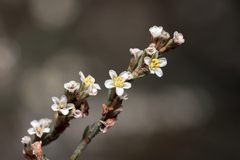 Polygonum equisetiforme Horse-tail knotweed Photo: CC BY, Eleftherios Katsillis
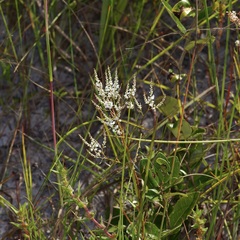 Polygonum polygamum Photo: CC BY, Michelle W. (鍾偉瑋)
 Polygonum scoparium Photo: CC BY, A. Barra
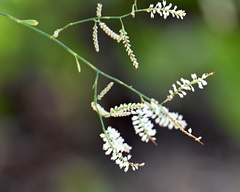 Polygonum smallianum Photo: CC BY, Amber M. King
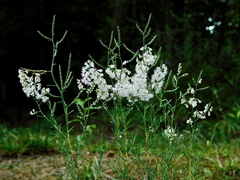 Polygonum americanum Photo: CC BY, Michael J. Papay
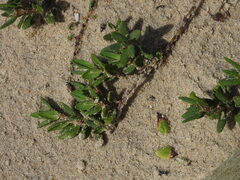 Polygonum maritimum Sea Knotgrass Photo: CC BY, Duarte Frade
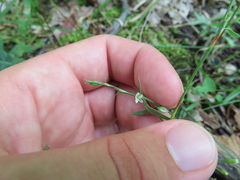 Polygonum douglasii Douglas' knotweed Photo: CC BY, Eric Schmidt
Grown: iNaturalist's observations of the species marked captive or cultivated; "not counted" where the species list does not count it. Native ranges: Kew's World Checklist of Vascular Plants (Govaerts et al., CC BY 4.0), file of 4 June 2026. Grown: iNaturalist's observations marked captive or cultivated, counted 17 October 2026 (the species list's count). Habitat climate known: the species page has a habitat climate, read from CHELSA's monthly climate and NASA POWER's daily extremes at its well-placed wild records inside Kew's native range; each page says its own sources and days. Record low: the lowest night in NASA POWER's daily series at the habitat's typical spot, as the species page gives it, held in °C to a tenth and shown in your units; each page says its own years and day read. Counts as the reference built on 19 November 2026 holds them. The CSV holds every result, not only this page's.