Polylepis
14 species in the reference · family Rosaceae · 9 with a habitat climate · 14 grown, per iNaturalist
About the genus
Polylepis is a genus comprising 44 recognized shrub and tree species, that are endemic to the mid- and high-elevation regions of the tropical Andes, up to 5,000 metres (16,000 ft) above sea level. It is distributed from Venezuela to Patagonia. In Peru, plants in the genus are known as queñual, queuña, or queñoa; in Bolivia, as kewiña; in Ecuador, as yagual; and in Argentina, tabaquillo.
Quoted from Wikipedia, "Polylepis", its opening paragraph, revision 1340034092, read 2026-11-08, CC BY-SA 4.0.
Where Polylepis is native
| Bolivia | 10 |
|---|---|
| Peru | 5 |
| Argentina Northwest | 3 |
| Ecuador | 3 |
| Chile North | 2 |
| Colombia | 2 |
| Argentina Northeast | 1 |
Species native to each region. A species counts in every region it is native to. Native ranges: Kew's World Checklist of Vascular Plants (Govaerts et al., CC BY 4.0), file of 4 June 2026.
14 species
Polylepis
 Polylepis tarapacana Photo: CC BY-SA, Fabien Anthelme
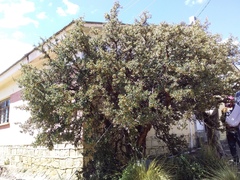 Polylepis incana Photo: CC BY, Humber Alberto
 Polylepis besseri Photo: CC BY, Dick Culbert from Gibsons, B.C., Canada
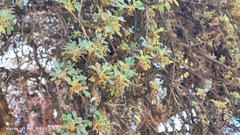 Polylepis incarum Photo: CC BY, Thomaz Ricardo Favreto Sinani
 Polylepis neglecta Photo: CC0, Alfredo F. Fuentes Claros
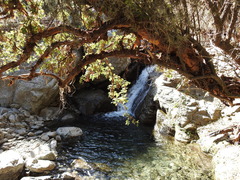 Polylepis australis Photo: CC BY, Agustín Zarco
 Polylepis racemosa Photo: CC BY, Charles Gadbois
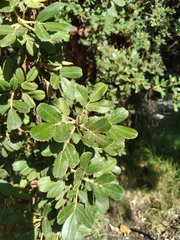 Polylepis triacontandra Photo: CC0, Alfredo F. Fuentes Claros
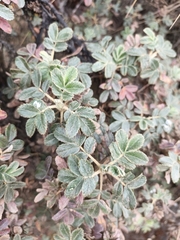 Polylepis pacensis Photo: CC0, Alfredo F. Fuentes Claros
 Polylepis tomentella Photo: CC0, Hugo Hulsberg
 Polylepis pauta Photo: CC BY, Dick Culbert from Gibsons, B.C., Canada
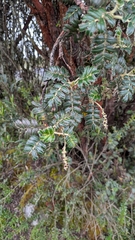 Polylepis quadrijuga Photo: CC BY-SA, Thibaud Aronson
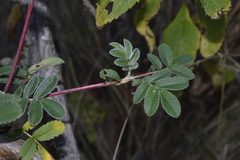 Polylepis hieronymi Photo: CC BY, E Santos Ortega
- no open photograph on file Polylepis lanata
Grown: iNaturalist's observations of the species marked captive or cultivated; "not counted" where the species list does not count it. Native ranges: Kew's World Checklist of Vascular Plants (Govaerts et al., CC BY 4.0), file of 4 June 2026. Grown: iNaturalist's observations marked captive or cultivated, counted 17 October 2026 (the species list's count). Habitat climate known: the species page has a habitat climate, read from CHELSA's monthly climate and NASA POWER's daily extremes at its well-placed wild records inside Kew's native range; each page says its own sources and days. Record low: the lowest night in NASA POWER's daily series at the habitat's typical spot, as the species page gives it, held in °C to a tenth and shown in your units; each page says its own years and day read. Counts as the reference built on 19 November 2026 holds them. The CSV holds every result, not only this page's.