Pultenaea
12 species in the reference · family Fabaceae · 12 with a habitat climate · 12 grown, per iNaturalist
About the genus
Pultenaea is a genus of flowering plants in the family Fabaceae. It includes 127 species which are endemic to Australia. Plants in this genus are shrubs with simple leaves and orange or yellow flowers similar to others in the family but with the standard petal equal to or slightly longer than the other petals.
Quoted from Wikipedia, "Pultenaea", its opening paragraph, revision 1315750904, read 2026-11-08, CC BY-SA 4.0.
Where Pultenaea is native
| New South Wales | 11 |
|---|---|
| Victoria | 8 |
| Queensland | 6 |
| South Australia | 6 |
| Tasmania | 3 |
Species native to each region. A species counts in every region it is native to. Native ranges: Kew's World Checklist of Vascular Plants (Govaerts et al., CC BY 4.0), file of 4 June 2026.
12 species
Pultenaea
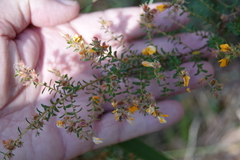 Pultenaea villosa Bronze bush-pea Photo: CC BY, Mark Clarke
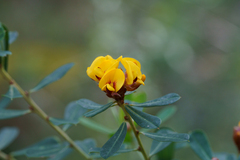 Pultenaea daphnoides Large-leaf Bush Pea Photo: CC BY, Kym Nicolson
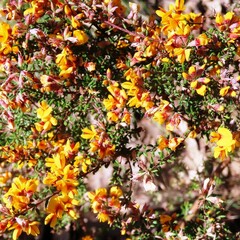 Pultenaea gunnii Golden bush-pea Photo: CC BY, Elspeth Swan
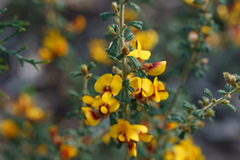 Pultenaea scabra Rough bush-pea Photo: CC BY, Kym Nicolson
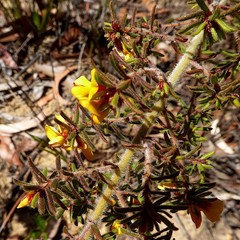 Pultenaea hispidula Rusty bush-pea Photo: CC BY, Max Campbell
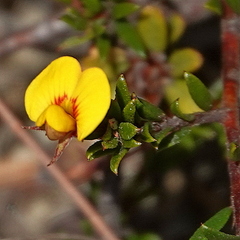 Pultenaea pedunculata Matted bush-pea Photo: CC BY, Max Campbell
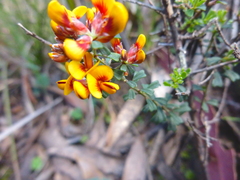 Pultenaea retusa Blunt bush-pea Photo: CC BY, Kiri Bee
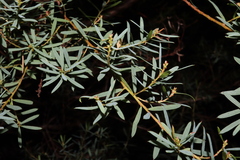 Pultenaea flexilis Graceful Bush pea Photo: CC BY, Thomas Mesaglio
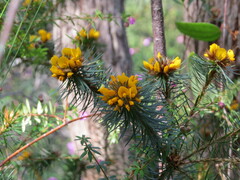 Pultenaea stipularis Fine-leaf bush pea Photo: CC BY, ian_mcallan
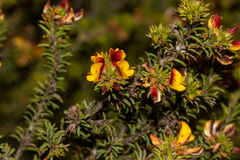 Pultenaea acerosa Bristly bush-pea Photo: CC BY, T. Hammer
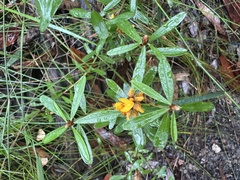 Pultenaea myrtoides Myrtle bush-pea Photo: CC BY, Caleb Catto
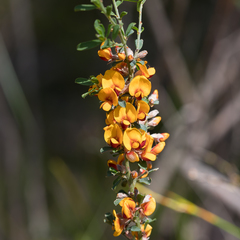 Pultenaea largiflorens Twiggy bush-pea Photo: CC BY, Kym Nicolson
Grown: iNaturalist's observations of the species marked captive or cultivated; "not counted" where the species list does not count it. Native ranges: Kew's World Checklist of Vascular Plants (Govaerts et al., CC BY 4.0), file of 4 June 2026. Grown: iNaturalist's observations marked captive or cultivated, counted 17 October 2026 (the species list's count). Habitat climate known: the species page has a habitat climate, read from CHELSA's monthly climate and NASA POWER's daily extremes at its well-placed wild records inside Kew's native range; each page says its own sources and days. Record low: the lowest night in NASA POWER's daily series at the habitat's typical spot, as the species page gives it, held in °C to a tenth and shown in your units; each page says its own years and day read. Counts as the reference built on 19 November 2026 holds them. The CSV holds every result, not only this page's.