Rauvolfia
10 species in the reference · family Apocynaceae · 8 with a habitat climate · 9 grown, per iNaturalist, 1 not counted
About the genus
Rauvolfia (sometimes spelled Rauwolfia) is a genus of evergreen trees and shrubs, commonly known as devil peppers, in the family Apocynaceae. The genus is named to honor Leonhard Rauwolf. The genus can mainly be found in tropical regions of Africa, Asia, Latin America, and various oceanic islands.
Quoted from Wikipedia, "Rauvolfia", its opening paragraph, revision 1378815076, read 2026-11-08, CC BY-SA 4.0.
Where Rauvolfia is native
| Dominican Republic | 3 |
|---|---|
| Jawa | 3 |
| Leeward Is. AB Ant | 3 |
| Lesser Sunda Is. | 3 |
| Malaya | 3 |
| Myanmar | 3 |
| Tanzania | 3 |
| Thailand | 3 |
| Venezuelan Antilles | 3 |
| Vietnam | 3 |
| Windward Is. | 3 |
| Andaman Is. | 2 |
Species native to each region. A species counts in every region it is native to. Native ranges: Kew's World Checklist of Vascular Plants (Govaerts et al., CC BY 4.0), file of 4 June 2026.
10 species
Rauvolfia
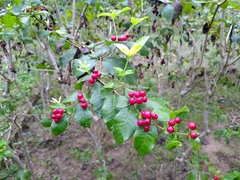 Rauvolfia tetraphylla Milkbush Photo: CC BY-SA, Amaljit Bharali
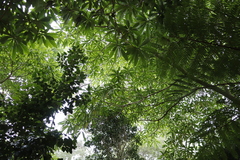 Rauvolfia afra Photo: CC BY-SA, Tony Rebelo
 Rauvolfia serpentina Serpentine wood Photo: CC BY-SA, Dinesh Valke
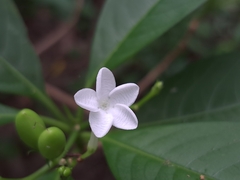 Rauvolfia verticillata Photo: CC BY-SA, vrxz
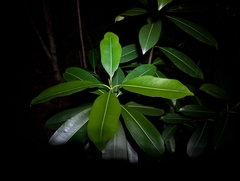 Rauvolfia sandwicensis Devil's-pepper Photo: CC0, Damien Wallace
 Rauvolfia vomitoria Poison devil's-pepper Photo: CC BY, Dégboé Etienne Houédoté
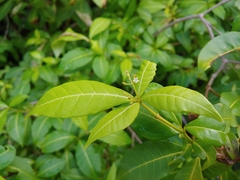 Rauvolfia viridis Antigua Balsam Photo: CC BY-SA, Kurt Miller
 Rauvolfia sumatrana Photo: CC BY, Amy
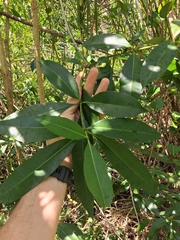 Rauvolfia nitida Glasswood Photo: CC BY-SA, Kurt Miller
- no open photograph on file Rauvolfia mombasiana Mozambique quinine-tree
Grown: iNaturalist's observations of the species marked captive or cultivated; "not counted" where the species list does not count it. Native ranges: Kew's World Checklist of Vascular Plants (Govaerts et al., CC BY 4.0), file of 4 June 2026. Grown: iNaturalist's observations marked captive or cultivated, counted 17 October 2026 (the species list's count). Habitat climate known: the species page has a habitat climate, read from CHELSA's monthly climate and NASA POWER's daily extremes at its well-placed wild records inside Kew's native range; each page says its own sources and days. Record low: the lowest night in NASA POWER's daily series at the habitat's typical spot, as the species page gives it, held in °C to a tenth and shown in your units; each page says its own years and day read. Counts as the reference built on 19 November 2026 holds them. The CSV holds every result, not only this page's.