Rhynchospora
10 species in the reference · family Cyperaceae · 10 with a habitat climate · 9 grown, per iNaturalist, 1 not counted
About the genus
Rhynchospora (beak-rush or beak-sedge) is a genus of about 400 species of sedges with a cosmopolitan distribution. The genus includes both annual and perennial species, mostly with erect 3-sided stems and 3-ranked leaves. The achenes bear a beak-like tubercule (hence the name "beak-rush", although the plants are sedges, not rushes) and are sometimes subtended by bristles. Many of the species are similar in vegetative appearance, and mature fruits are needed to make a positive identification.
Quoted from Wikipedia, "Rhynchospora", its opening paragraph, revision 1371302712, read 2026-11-08, CC BY-SA 4.0.
Where Rhynchospora is native
| Alabama | 5 |
|---|---|
| Costa Rica | 5 |
| Cuba | 5 |
| Georgia | 5 |
| North Carolina | 5 |
| Venezuela | 5 |
| Bolivia | 4 |
| Colombia | 4 |
| French Guiana | 4 |
| Guatemala | 4 |
| Jamaica | 4 |
| Mexico Gulf | 4 |
Species native to each region. A species counts in every region it is native to. Native ranges: Kew's World Checklist of Vascular Plants (Govaerts et al., CC BY 4.0), file of 4 June 2026.
10 species
Rhynchospora
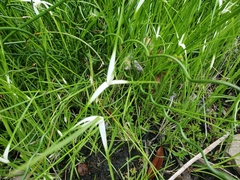 Rhynchospora colorata Starrush whitetop Photo: CC0, Ellen Fishburne
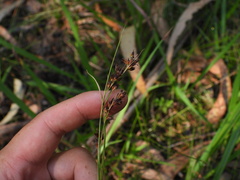 Rhynchospora modesti-lucennoi Photo: CC BY, Duarte Frade
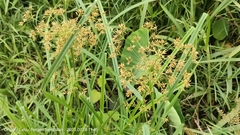 Rhynchospora corymbosa Matamat Photo: CC BY-SA, Ong Jyh Seng
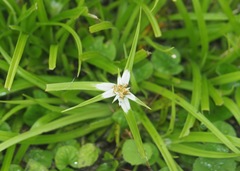 Rhynchospora nervosa Yerba de estrella Photo: CC BY, John G. Phillips
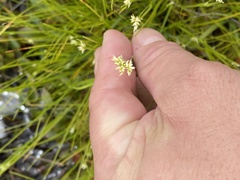 Rhynchospora alba White beak-sedge Photo: CC0, James Clow
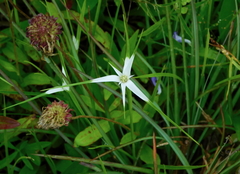 Rhynchospora latifolia Giant Whitetop Photo: CC BY, Michael J. Papay
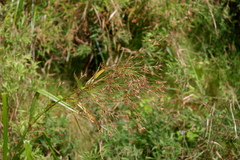 Rhynchospora corniculata Short-bristle hornedrush Photo: CC BY, Bonnie Semmling
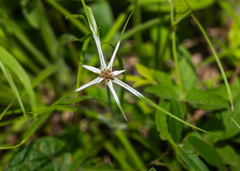 Rhynchospora pura Photo: CC BY, portioid
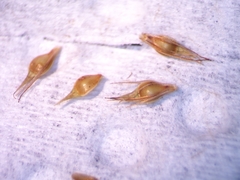 Rhynchospora capitellata Brownish beaksedge Photo: CC BY, Bonnie Semmling
- no open photograph on file Rhynchospora macrochaeta
Grown: iNaturalist's observations of the species marked captive or cultivated; "not counted" where the species list does not count it. Native ranges: Kew's World Checklist of Vascular Plants (Govaerts et al., CC BY 4.0), file of 4 June 2026. Grown: iNaturalist's observations marked captive or cultivated, counted 17 October 2026 (the species list's count). Habitat climate known: the species page has a habitat climate, read from CHELSA's monthly climate and NASA POWER's daily extremes at its well-placed wild records inside Kew's native range; each page says its own sources and days. Record low: the lowest night in NASA POWER's daily series at the habitat's typical spot, as the species page gives it, held in °C to a tenth and shown in your units; each page says its own years and day read. Counts as the reference built on 19 November 2026 holds them. The CSV holds every result, not only this page's.