Vasconcellea
10 species in the reference · family Caricaceae · 9 with a habitat climate · 10 grown, per iNaturalist
About the genus
Vasconcellea is a genus with 26 species of flowering plants in the family Caricaceae. Most were formerly treated in the genus Carica, but have been split out on genetic evidence. The genus name has also been incorrectly spelled "Vasconcella".
Quoted from Wikipedia, "Vasconcellea", its opening paragraph, revision 1291722021, read 2026-11-08, CC BY-SA 4.0.
Where Vasconcellea is native
| Ecuador | 5 |
|---|---|
| Peru | 5 |
| Bolivia | 4 |
| Colombia | 4 |
| Panama | 3 |
| Brazil Southeast | 2 |
| Brazil West-Central | 2 |
| Venezuela | 2 |
| Argentina Northeast | 1 |
| Argentina Northwest | 1 |
| Brazil Northeast | 1 |
| Brazil South | 1 |
Species native to each region. A species counts in every region it is native to. Native ranges: Kew's World Checklist of Vascular Plants (Govaerts et al., CC BY 4.0), file of 4 June 2026.
10 species
Vasconcellea
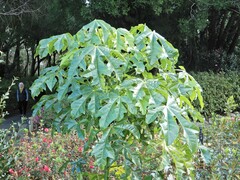 Vasconcellea pubescens Mountain papaya Photo: CC BY, Grey Smith
- no open photograph on file Vasconcellea × pentagona
 Vasconcellea quercifolia Oak-leaf pawpaw Photo: CC BY, Stephen Thorpe
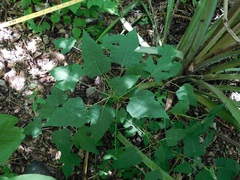 Vasconcellea cauliflora Photo: CC BY, Neptalí Ramírez Marcial
 Vasconcellea monoica Photo: CC BY-SA, Michael Wolf
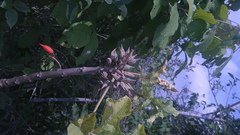 Vasconcellea parviflora Photo: CC BY, Raúl A. Ruiz M.
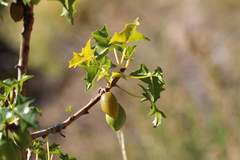 Vasconcellea chilensis Austral papaya Photo: CC BY, Cesar Ormazabal
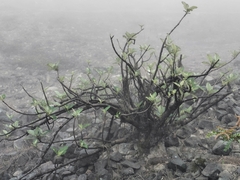 Vasconcellea candicans Mountain papaya Photo: CC BY, Ellky Arteta Paredes
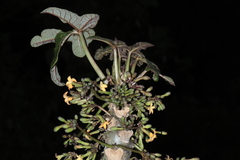 Vasconcellea stipulata Photo: CC BY, Paúl Gonzáles
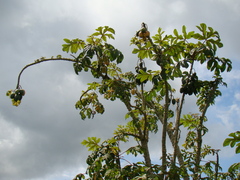 Vasconcellea goudotiana Highland papaya Photo: CC BY, John Ocampo
Grown: iNaturalist's observations of the species marked captive or cultivated; "not counted" where the species list does not count it. Native ranges: Kew's World Checklist of Vascular Plants (Govaerts et al., CC BY 4.0), file of 4 June 2026. Grown: iNaturalist's observations marked captive or cultivated, counted 17 October 2026 (the species list's count). Habitat climate known: the species page has a habitat climate, read from CHELSA's monthly climate and NASA POWER's daily extremes at its well-placed wild records inside Kew's native range; each page says its own sources and days. Record low: the lowest night in NASA POWER's daily series at the habitat's typical spot, as the species page gives it, held in °C to a tenth and shown in your units; each page says its own years and day read. Counts as the reference built on 19 November 2026 holds them. The CSV holds every result, not only this page's.