Veronica
180 species in the reference · family Plantaginaceae · 160 with a habitat climate · 165 grown, per iNaturalist, 15 not counted
Where Veronica is native
| New Zealand South | 63 |
|---|---|
| Bulgaria | 34 |
| New Zealand North | 34 |
| Turkey | 33 |
| Yugoslavia | 31 |
| France | 30 |
| North Caucasus | 30 |
| Ukraine | 30 |
| Austria | 29 |
| Italy | 29 |
| Germany | 28 |
| Romania | 28 |
Species native to each region. A species counts in every region it is native to. Native ranges: Kew's World Checklist of Vascular Plants (Govaerts et al., CC BY 4.0), file of 4 June 2026.
180 species
Veronica
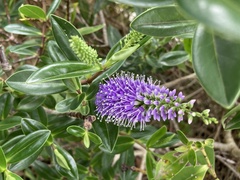 Veronica speciosa New Zealand hebe Photo: CC BY, jsimons
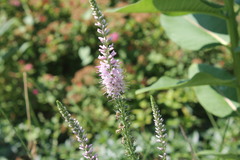 Veronica longifolia Garden speedwell Photo: CC BY, Violet T.
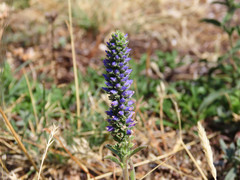 Veronica spicata Spiked speedwell Photo: CC BY-SA, Emanuele Santarelli
Veronica × franciscana Photo: CC BY-SA, CawVus
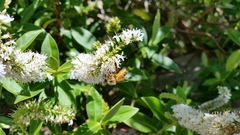 Veronica stricta Photo: CC0, Siobhan Leachman
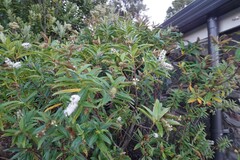 Veronica salicifolia Koromiko Photo: CC BY, Jon Sullivan
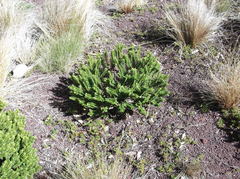 Veronica odora Boxleaf Hebe Photo: CC BY, Callan Bird
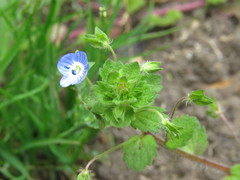 Veronica persica Common field-speedwell Photo: CC BY, Juan Carlos Caicedo Hernández
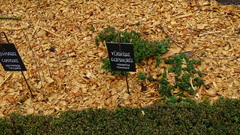 Veronica teucrium Large speedwell Photo: CC0, Andra Waagmeester
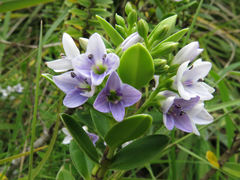 Veronica elliptica Native boxwood Photo: CC BY, John Barkla
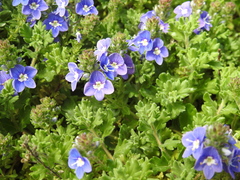 Veronica chamaedrys Germander speedwell Photo: CC BY-SA, Old Goat
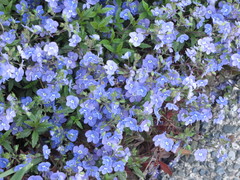 Veronica umbrosa Photo: CC BY, Liam Steele
 Veronica diosmifolia Photo: CC0, Scott
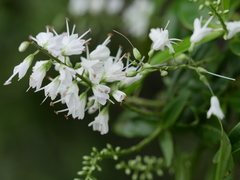 Veronica macrocarpa Photo: CC BY, Bruce Calvert
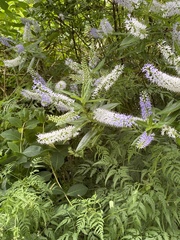 Veronica × andersonii Photo: CC BY, jonno_99
 Veronica topiaria Photo: CC BY, Heidi Meudt
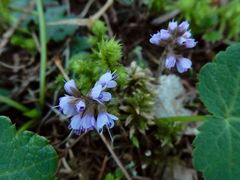 Veronica regina-nivalis Photo: CC BY, Ed Alverson
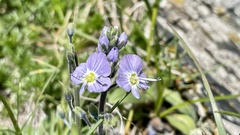 Veronica gentianoides Gentian Speedwell Photo: CC BY, Ioannis Magouras
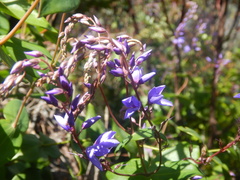 Veronica perfoliata Digger's Speedwell Photo: CC BY, Bryce Watts-Parker
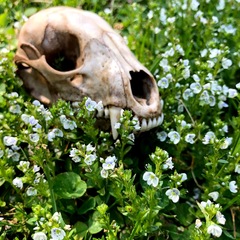 Veronica serpyllifolia Thymeleaf speedwell Photo: CC BY-SA, Nova Patch
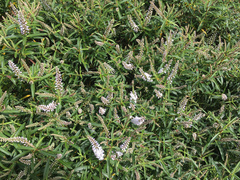 Veronica strictissima Banks Peninsula Hebe Photo: CC BY, Jon Sullivan
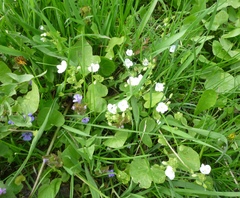 Veronica filiformis Slender speedwell Photo: CC BY, Oleksandr Shynder
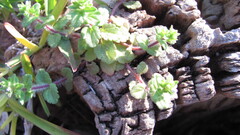 Veronica arvensis Wall speedwell Photo: CC BY, zebedeugalinha
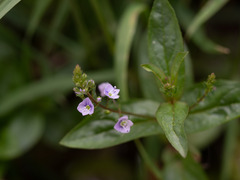 Veronica anagallis-aquatica Blue water-speedwell Photo: CC BY, Nate Sabo
Veronica albicans Photo: CC BY-SA, Rob Cruickshank
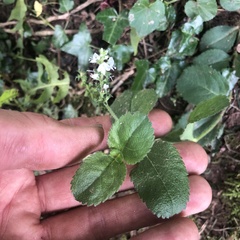 Veronica officinalis Common speedwell Photo: CC BY, Andrew Conboy
 Veronica petraea Photo: CC BY-SA, Krzysztof Golik
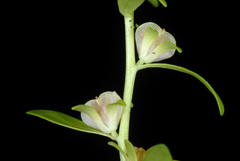 Veronica peregrina American speedwell Photo: CC BY-SA, Douglas Goldman
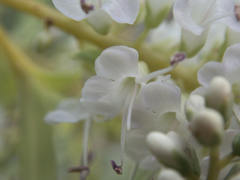 Veronica parviflora Tree Hebe Photo: CC BY, Paul Bell-Butler
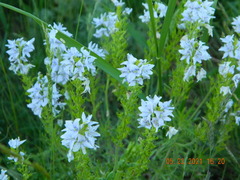 Veronica austriaca Large speedwell Photo: CC BY, Galyna Mykytynets
 Veronica hulkeana Marlborough hebe Photo: CC BY, Doug Miller
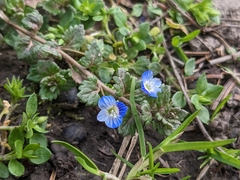 Veronica polita Grey field-speedwell Photo: CC BY, Attila Oláh
 Veronica cupressoides Photo: CC BY, John Barkla
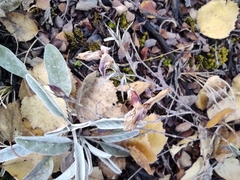 Veronica incana Silver speedwell Photo: CC BY, Valentin Kosterin
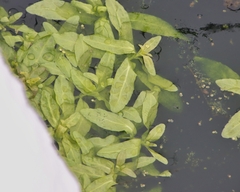 Veronica beccabunga Brooklime Photo: CC BY, Евгений Маринкин
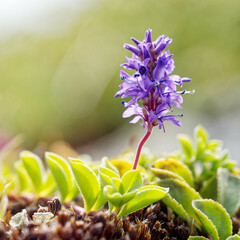 Veronica allionii Photo: CC0, Thierry Arbault
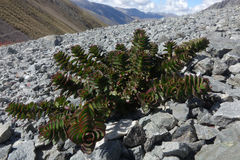 Veronica epacridea Photo: CC BY, John Barkla
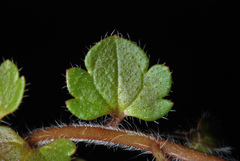 Veronica hederifolia Ivy-leaved speedwell Photo: CC BY-SA, Douglas Goldman
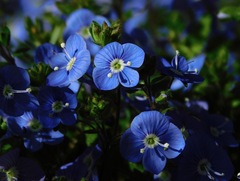 Veronica peduncularis Photo: CC BY, Michael J. Papay
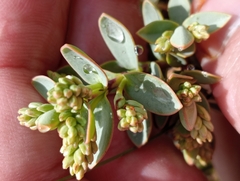 Veronica pinguifolia Photo: CC BY, Joe Potter Butler
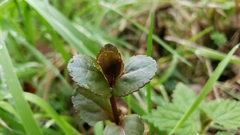 Veronica americana American speedwell Photo: CC BY, Gavin Slater
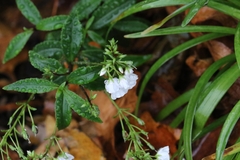 Veronica lanceolata Photo: CC0, Agnes Trekker
 Veronica macrostachya Photo: CC BY-SA, Musa geçit
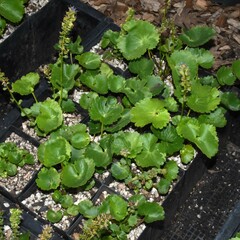 Veronica missurica Tailed kittentails Photo: CC BY, Gabriel Campbell-Martinez
 Veronica obtusata Northern hebe Photo: CC BY, Jacqui Geux
Veronica pimeleoides Photo: CC BY, John Barkla
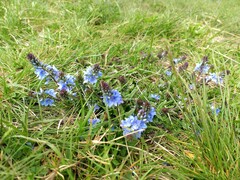 Veronica prostrata Prostrate speedwell Photo: CC BY, Michael Andresek
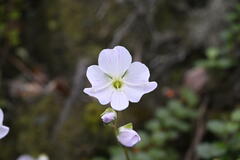 Veronica lyallii Lyall's Parahebe Photo: CC BY, Saryu Mae 前 朝琉
Grown: iNaturalist's observations of the species marked captive or cultivated; "not counted" where the species list does not count it. Native ranges: Kew's World Checklist of Vascular Plants (Govaerts et al., CC BY 4.0), file of 4 June 2026. Grown: iNaturalist's observations marked captive or cultivated, counted 17 October 2026 (the species list's count). Habitat climate known: the species page has a habitat climate, read from CHELSA's monthly climate and NASA POWER's daily extremes at its well-placed wild records inside Kew's native range; each page says its own sources and days. Record low: the lowest night in NASA POWER's daily series at the habitat's typical spot, as the species page gives it, held in °C to a tenth and shown in your units; each page says its own years and day read. Counts as the reference built on 19 November 2026 holds them. The CSV holds every result, not only this page's.