Desventurados Is.
TDWG level-3 region DSV
| Species native here | 10 |
|---|---|
| Native nowhere else | 0 |
| With a habitat climate | 10 |
| Grown, per iNaturalist | 10 |
| Genera, families | 9, 7 |
Beside it in Southern South America: Argentina Northeast 1,535Argentina Northwest 1,407Argentina South 541Chile Central 824Chile North 455Chile South 443Juan Fernández Is. 72Paraguay 1,359Uruguay 865
Regions: TDWG's World Geographical Scheme for Recording Plant Distributions, 2nd edition (Brummitt 2001); countries' regions as round eighty's shapes assign Natural Earth's states and provinces (public domain). Next door: regions whose outlines touch, read from those shapes (TDWG's own tables give no neighbours).
10 species
Species native to Desventurados Is.
1 more species, whose range Kew gives only as Southern America as a whole, are not counted here: see them there.
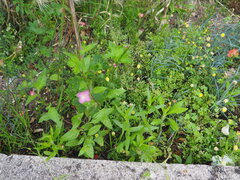 Oenothera rosea Rosy evening-primrose Photo: CC BY, jordi espar
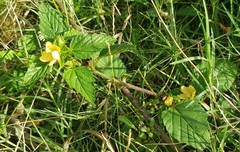 Malvastrum coromandelianum Threelobe false mallow Photo: CC BY-SA, Suvarna Parbhoo Mohan
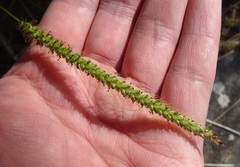 Setaria parviflora Knotroot bristle-grass Photo: CC BY, Y. Liu
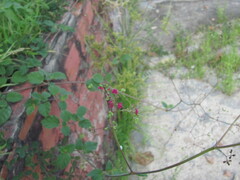 Boerhavia diffusa Red spiderling Photo: CC BY, zebedeugalinha
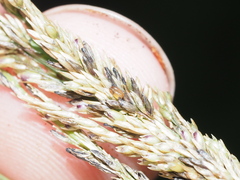 Sporobolus indicus Smut grass Photo: CC BY, Kevin Faccenda
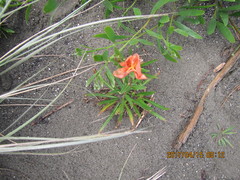 Oenothera stricta Fragrant evening-primrose Photo: CC BY, Arnim Littek
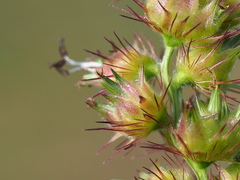 Cenchrus echinatus Southern sandbur Photo: CC0, 葉子
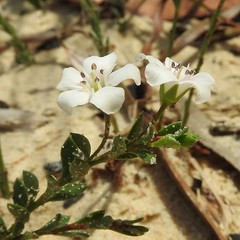 Samolus repens Creeping Brookweed Photo: CC BY, Max Campbell
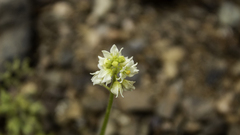 Sicyos baderoa Photo: CC BY, Daniel Hermosilla
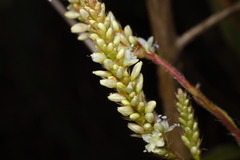 Persicaria acuminata Tapertip Smartweed Photo: CC0, Fernando Sessegolo
Grown: iNaturalist's observations of the species marked captive or cultivated; "not counted" where the species list does not count it. Native ranges: Kew's World Checklist of Vascular Plants (Govaerts et al., CC BY 4.0), file of 4 June 2026. Grown: iNaturalist's observations marked captive or cultivated, counted 17 October 2026 (the species list's count). Habitat climate known: the species page has a habitat climate, read from CHELSA's monthly climate and NASA POWER's daily extremes at its well-placed wild records inside Kew's native range; each page says its own sources and days. Record low: the lowest night in NASA POWER's daily series at the habitat's typical spot, as the species page gives it, held in °C to a tenth and shown in your units; each page says its own years and day read. Counts as the reference built on 19 November 2026 holds them. The CSV holds every result, not only this page's.