Nevada
TDWG level-3 region NEV
| Species native here | 1,323 |
|---|---|
| Native nowhere else | 2 |
| With a habitat climate | 1,314 |
| Grown, per iNaturalist | 1,279 (44 not counted) |
| Genera, families | 565, 116 |
Beside it in Southwestern U.S.A.: Arizona 1,798California 2,597Utah 1,409
Next door: California 2,597Arizona 1,798Oregon 1,745Utah 1,409Idaho 1,277
Regions: TDWG's World Geographical Scheme for Recording Plant Distributions, 2nd edition (Brummitt 2001); countries' regions as round eighty's shapes assign Natural Earth's states and provinces (public domain). Next door: regions whose outlines touch, read from those shapes (TDWG's own tables give no neighbours).
1,323 species
Species native to Nevada
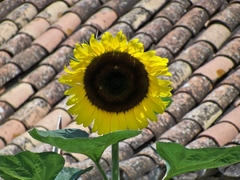 Helianthus annuus Sunflower Photo: CC BY-SA, Daniel Capilla
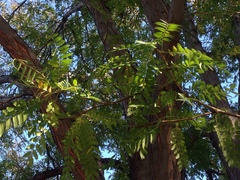 Gleditsia triacanthos Honey-locust Photo: CC0, Aaron Sidder
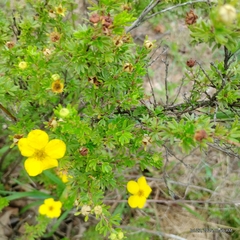 Dasiphora fruticosa Shrubby cinquefoil Photo: CC BY, Bryce
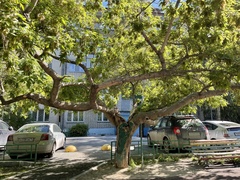 Acer negundo Box-elder Photo: CC BY, Алёна Осипова
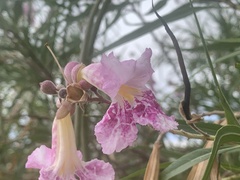 Chilopsis linearis Desert willow Photo: CC BY, Steve Taylor
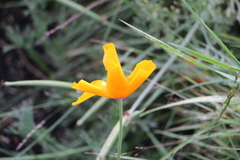 Eschscholzia californica California poppy Photo: CC BY, Andrés Ramírez-Barrera
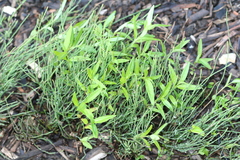 Asclepias incarnata Swamp milkweed Photo: CC BY, Randy A Nonenmacher
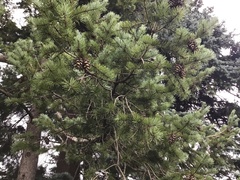 Pseudotsuga menziesii Douglas fir Photo: CC0, Leanne Pearson
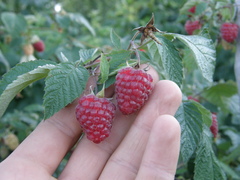 Rubus idaeus Raspberry Photo: CC BY, Oleksandr Shynder
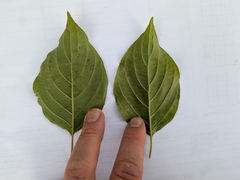 Cornus sericea Red-osier dogwood Photo: CC BY, Jeff Hansen
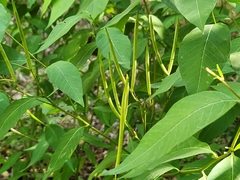 Amsonia tabernaemontana Texas-star Photo: CC0, Angelique Todd
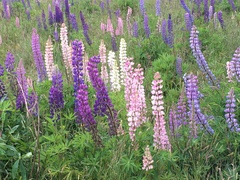 Lupinus polyphyllus Garden lupin Photo: CC BY, Henrik Kibak
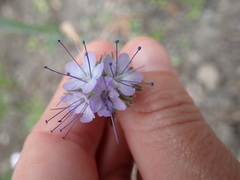 Phacelia tanacetifolia Tansy phacelia Photo: CC BY, Lisa Bennett
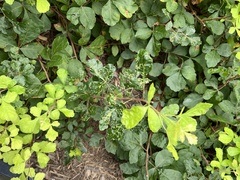 Rhus aromatica Fragrant sumac Photo: CC BY, Frederick Nunley
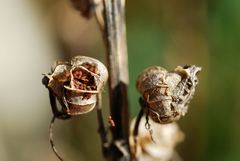 Lobelia cardinalis Cardinal-flower Photo: CC BY-SA, Douglas Goldman
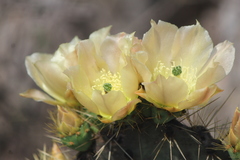 Opuntia engelmannii Cactus-apple Photo: CC BY, José Belem Hernández Díaz
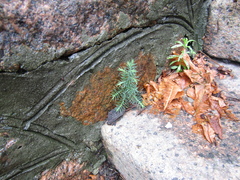 Juniperus communis Common juniper Photo: CC BY, Oleksandr Shynder
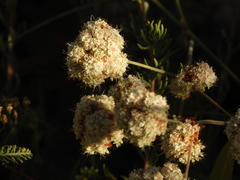 Eriogonum fasciculatum California-buckwheat Photo: CC BY, Mary K. Hanson
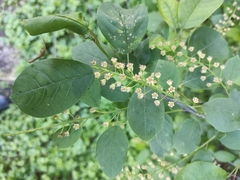 Prunus virginiana Chokecherry Photo: CC BY, iljar
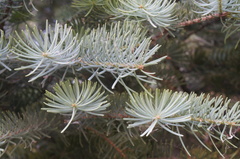 Abies concolor Colorado white-fir Photo: CC0, Henggang Cui
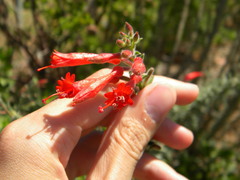 Epilobium canum Hummingbird trumpet Photo: CC0, Tim Kirsten
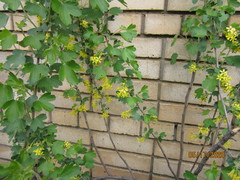 Ribes aureum Golden currant Photo: CC0, Svetlana Polevova
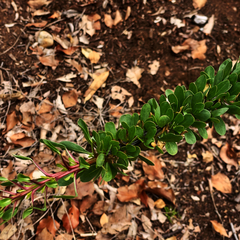 Fouquieria splendens Vine-cactus Photo: CC BY, Bill Levine
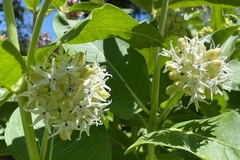 Asclepias speciosa Showy milkweed Photo: CC BY, Brad Grimm
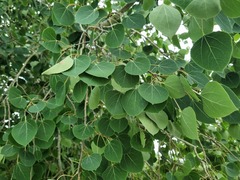 Populus tremuloides Quaking aspen Photo: CC BY, Cesar Ormazabal
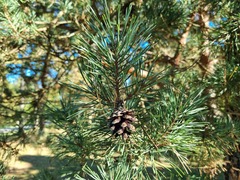 Pinus contorta Lodgepole pine Photo: CC BY, Cesar Ormazabal
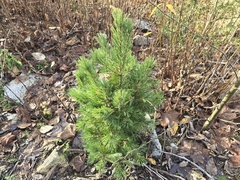 Pinus ponderosa Western yellow pine Photo: CC BY, Jon B
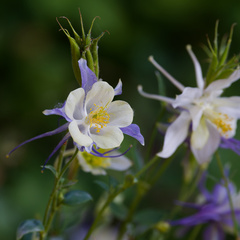 Aquilegia coerulea Rocky Mountain columbine Photo: CC BY, Daughter Dad
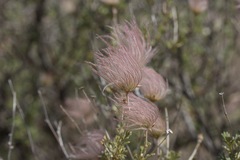 Fallugia paradoxa Apache plume Photo: CC BY, Gary Bowers
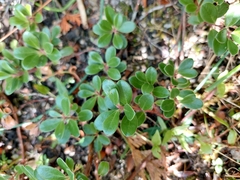 Arctostaphylos uva-ursi Bearberry Photo: CC BY, J V
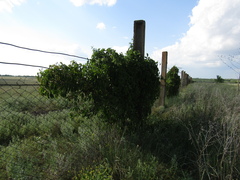 Parthenocissus inserta False Virginia-creeper Photo: CC BY, Oleksandr Shynder
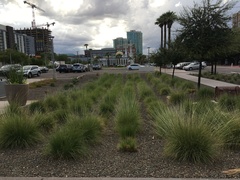 Muhlenbergia rigens Deer grass Photo: CC BY-SA, Matt Lavin
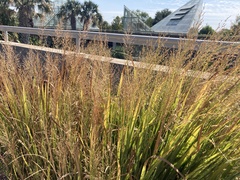 Panicum virgatum Switchgrass Photo: CC BY, Abbey Forney
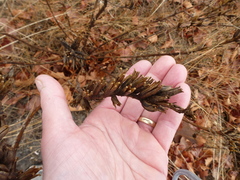 Oenothera biennis Common evening-primrose Photo: CC0, Ira Gershenhorn
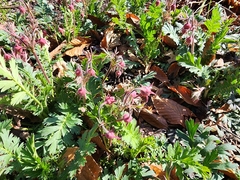 Geum triflorum Old man's whiskers Photo: CC BY, Kaden Slone
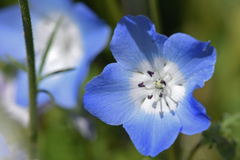 Nemophila menziesii Baby blue eyes Photo: CC BY, Marcel_Pepin
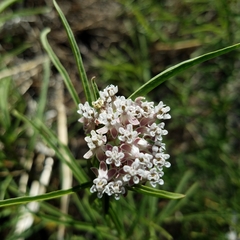 Asclepias fascicularis Mexican milkweed Photo: CC0, Ellen Watrous
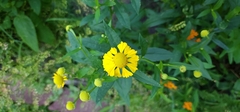 Helenium autumnale Sneezeweed Photo: CC BY, Steven J. Røste
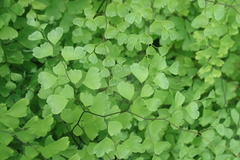 Adiantum capillus-veneris Maidenhair fern Photo: CC0, Di Turner
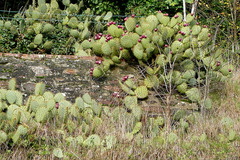 Opuntia orbiculata Western prickly-pear Photo: CC0, Patrick Le Mao
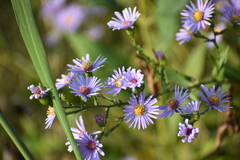 Symphyotrichum laeve Glaucous Michaelmas-daisy Photo: CC0, Jason Leduc
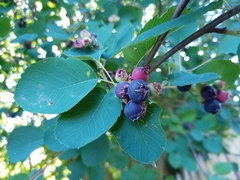 Amelanchier alnifolia Low Shadbush Photo: CC BY, Michal Honskus
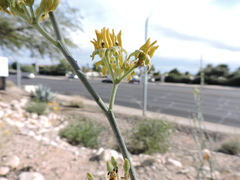 Asclepias subulata Rush milkweed Photo: CC BY, Sam Kieschnick
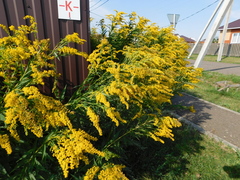 Solidago canadensis Canada goldenrod Photo: CC BY, Андрей Козлов
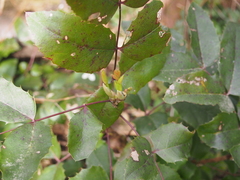 Berberis repens Creeping mahonia Photo: CC0, anthocyana
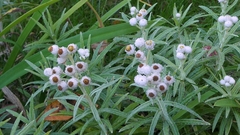 Anaphalis margaritacea Pearly everlasting Photo: CC0, Patrick Le Mao
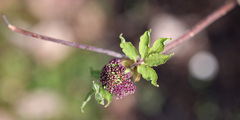 Sambucus racemosa Red-berried elder Photo: CC BY, Randy A Nonenmacher
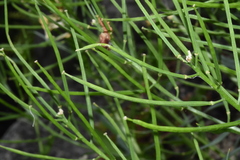 Erysimum capitatum Western wallflower Photo: CC BY, Gabriel Campbell-Martinez
Grown: iNaturalist's observations of the species marked captive or cultivated; "not counted" where the species list does not count it. Native ranges: Kew's World Checklist of Vascular Plants (Govaerts et al., CC BY 4.0), file of 4 June 2026. Grown: iNaturalist's observations marked captive or cultivated, counted 17 October 2026 (the species list's count). Habitat climate known: the species page has a habitat climate, read from CHELSA's monthly climate and NASA POWER's daily extremes at its well-placed wild records inside Kew's native range; each page says its own sources and days. Record low: the lowest night in NASA POWER's daily series at the habitat's typical spot, as the species page gives it, held in °C to a tenth and shown in your units; each page says its own years and day read. Counts as the reference built on 19 November 2026 holds them. The CSV holds every result, not only this page's.