Phoenix Is.
TDWG level-3 region PHX
| Species native here | 17 |
|---|---|
| Native nowhere else | 0 |
| With a habitat climate | 17 |
| Grown, per iNaturalist | 17 |
| Genera, families | 16, 14 |
Beside it in Southwestern Pacific: Fiji 311Gilbert Is. 73Howland-Baker Is. 7Nauru 42New Caledonia 483Niue 97Samoa 227Santa Cruz Is. 105Tokelau-Manihiki 45Tonga 211Tuvalu 39Vanuatu 438Wallis-Futuna Is. 136
Regions: TDWG's World Geographical Scheme for Recording Plant Distributions, 2nd edition (Brummitt 2001); countries' regions as round eighty's shapes assign Natural Earth's states and provinces (public domain). Next door: regions whose outlines touch, read from those shapes (TDWG's own tables give no neighbours).
17 species
Species native to Phoenix Is.
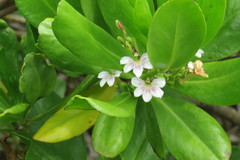 Scaevola taccada Beach naupaka Photo: CC BY, johnyochum
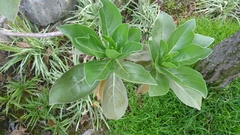 Heliotropium arboreum Photo: CC BY, Jason
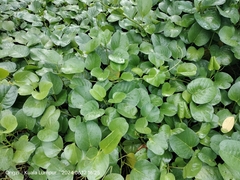 Ipomoea pes-caprae Beach morning glory Photo: CC BY-SA, Ong Jyh Seng
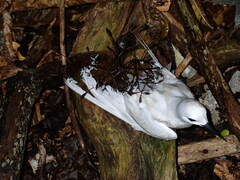 Pisonia grandis Grand devil's-claws Photo: CC BY, Mike Burnett
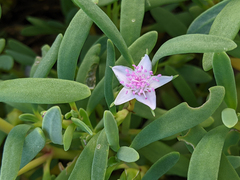 Sesuvium portulacastrum Sea purslane Photo: CC BY, Kristof Zyskowski
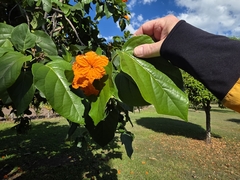 Cordia subcordata Kou Photo: CC BY, Elise Smith
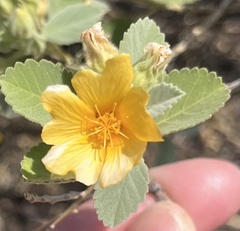 Sida fallax Yellow `ilima Photo: CC BY, drnancyjackson
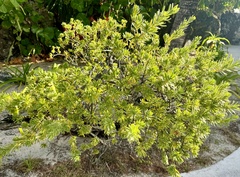 Suriana maritima Baycedar Photo: CC0, Kathy Daniel
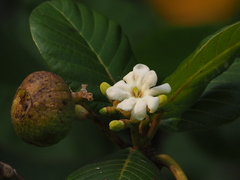 Guettarda speciosa Sea randa Photo: CC0, 葉子
 Cyperus javanicus Javanese flatsedge Photo: CC BY, Cheng-Tao Lin
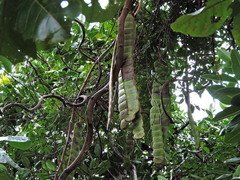 Entada phaseoloides St. Thomas bean Photo: CC BY, Jacy Chen
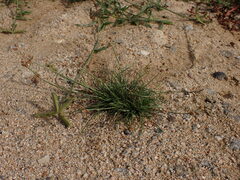 Fimbristylis cymosa Tropical fimbry Photo: CC BY, chiuluan
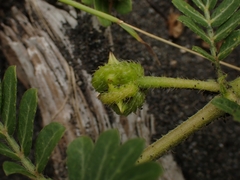 Tribulus cistoides Puncture vine Photo: CC BY, chiuluan
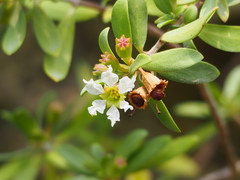 Pemphis acidula Ironwood mangrove Photo: CC0, 葉子
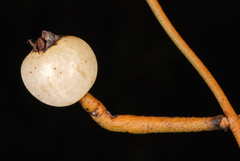 Cassytha filiformis Love-vine Photo: CC BY-SA, Douglas Goldman
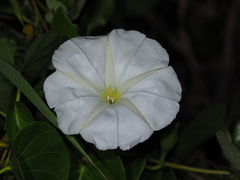 Ipomoea violacea Beach moonflower Photo: CC0, 葉子
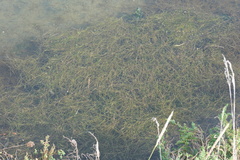 Ruppia maritima Beaked tasselweed Photo: CC BY, fmunoz
Grown: iNaturalist's observations of the species marked captive or cultivated; "not counted" where the species list does not count it. Native ranges: Kew's World Checklist of Vascular Plants (Govaerts et al., CC BY 4.0), file of 4 June 2026. Grown: iNaturalist's observations marked captive or cultivated, counted 17 October 2026 (the species list's count). Habitat climate known: the species page has a habitat climate, read from CHELSA's monthly climate and NASA POWER's daily extremes at its well-placed wild records inside Kew's native range; each page says its own sources and days. Record low: the lowest night in NASA POWER's daily series at the habitat's typical spot, as the species page gives it, held in °C to a tenth and shown in your units; each page says its own years and day read. Counts as the reference built on 19 November 2026 holds them. The CSV holds every result, not only this page's.