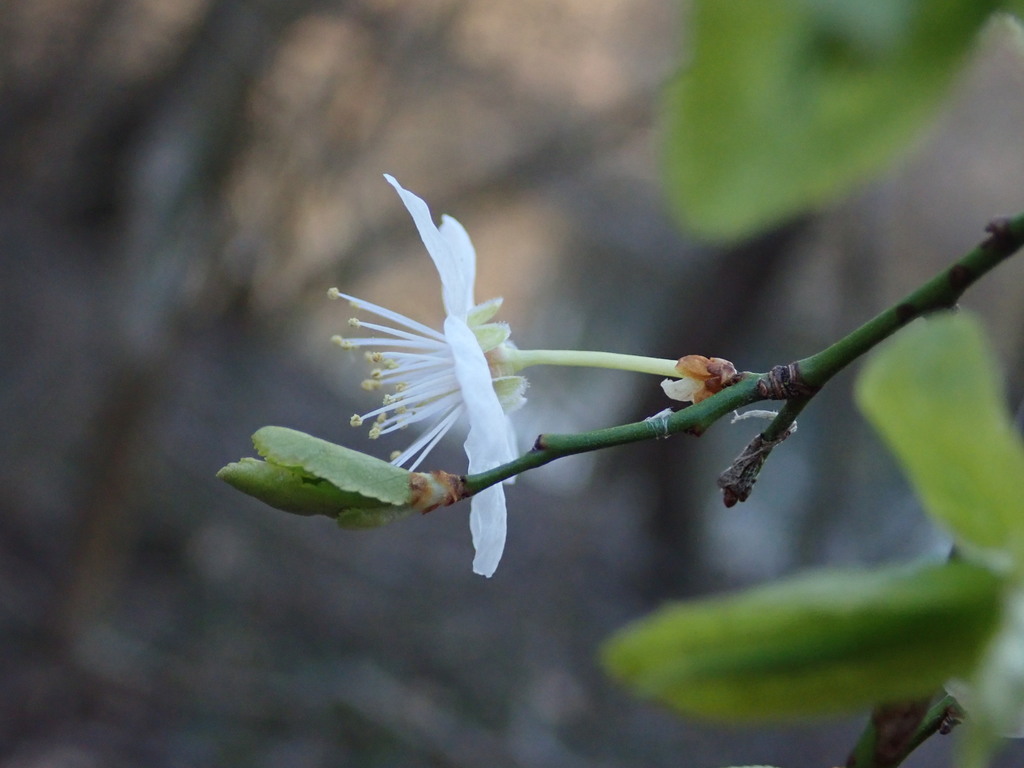
Prunus cerasifera Ehrh.
Bombawka, Cherry Plum, Cherry plum (EN), Cherry-plum
Every figure on this page is derived from public data by a stated rule and says its source; nothing here is written by a person or a model, except the Wikipedia passage, which is quoted and marked as such. How it is made.
Summary
Prunus cerasifera is a species of plum known by the common names cherry plum and myrobalan plum. Native to Eurasia and naturalized elsewhere, P. cerasifera is believed to be one of the parents of the cultivated plum.
Text from Wikipedia, “Prunus cerasifera”, CC BY-SA 4.0, quoted as written. Kept separate from everything derived here.
About the genus · Prunus
Prunus is a genus of flowering trees and shrubs from the rose family (Rosaceae) that produce stone fruits, or drupes. As of March 2024, the genus has about 340 accepted species, including almonds, apricots, cherries, peaches, and plums. It has a cosmopolitan distribution, being native to the temperate regions of North America, the neotropics of South America, and temperate and tropical regions of Eurasia and Africa.
Text from Wikipedia, “Prunus”, CC BY-SA 4.0, quoted as written.
Also known as Armeniaca sogdiana Kudr.; Cerasus myrobalanos; Padus racemosa subsp. racemosa; Prunus alpestris Schischk.; Prunus caspica Kovalev & Ekimov and 45 more.
Cultivation
Grouped as a temperate garden plant by the genus Prunus, which is reliably one kind of plant (archetype table). The table holds no figure for this group, which spans too much for one minimum, and no habitat climate is derived yet; no cold floor is given, and no prose comes from the table.
Climate across the habitat
Natural habitat
Photographs
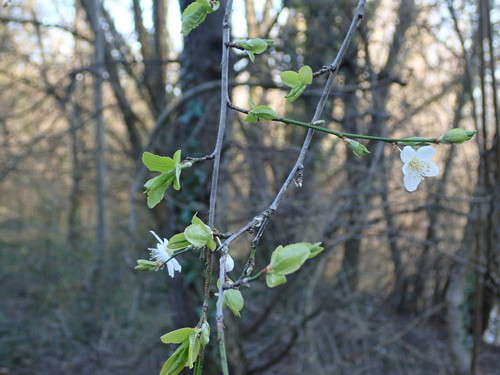
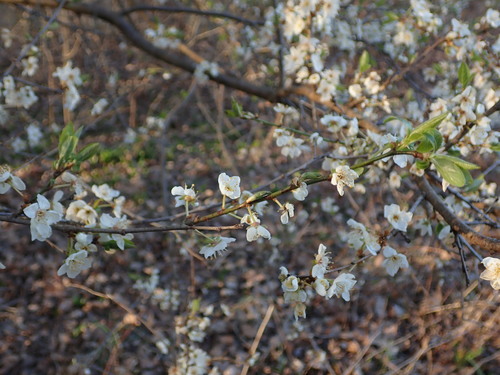
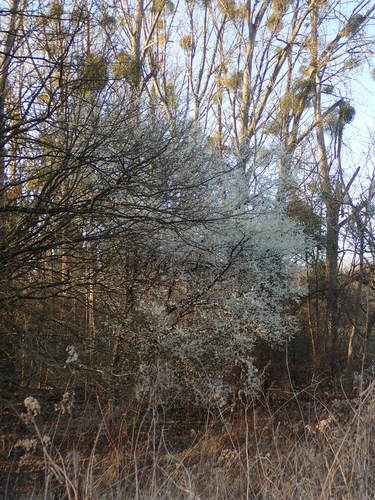
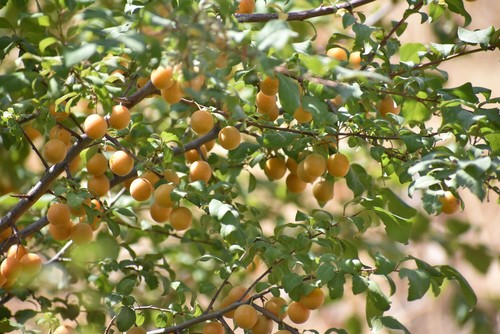
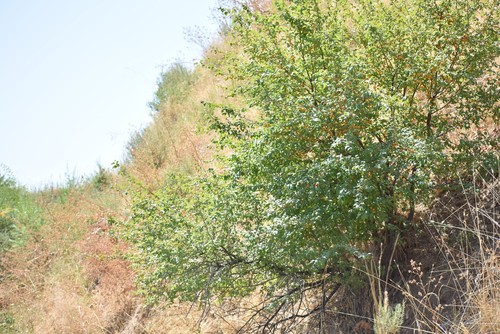
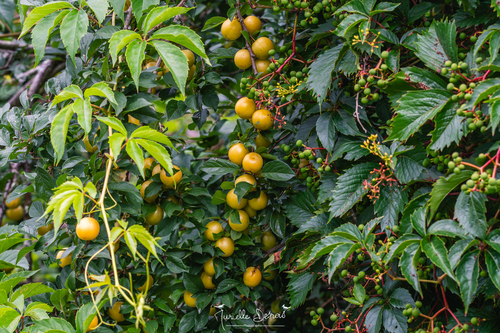
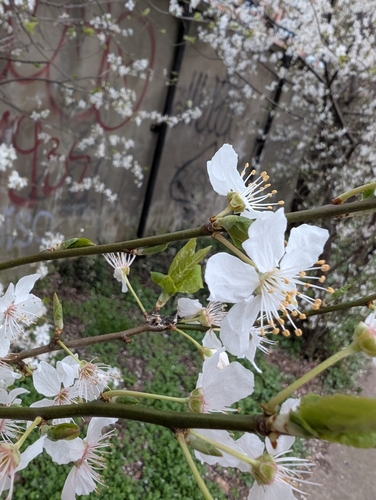
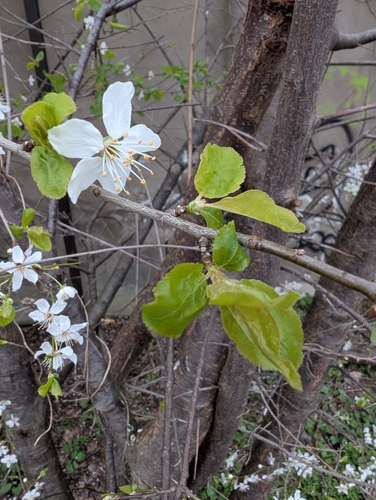
Photographs: (c) Daniel Cahen, some rights reserved (CC BY) (3); (c) Kudaibergen Amirekul, some rights reserved (CC BY-SA) (2); no rights reserved · CC0; (c) John McTague, some rights reserved (CC BY) (2).
Photographs: iNaturalist and GBIF media did not answer when this page was built; what is shown came from the sources that did.
Papers naming this species
Works whose title or abstract names Prunus cerasifera, most cited first, from OpenAlex (CC0). A mention, not a cultivation source: nothing on this page is drawn from them.
Related
Other Prunus 29 in the reference
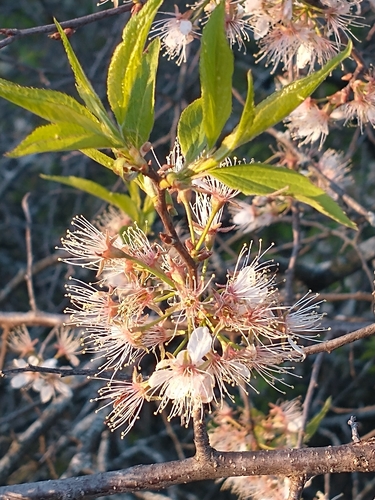 Prunus americana American Plum
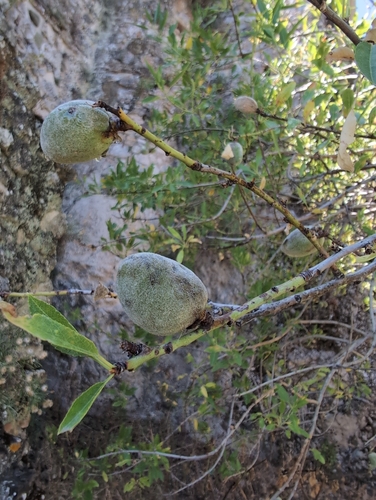 Prunus amygdalus Almond
 Prunus armeniaca Apricot
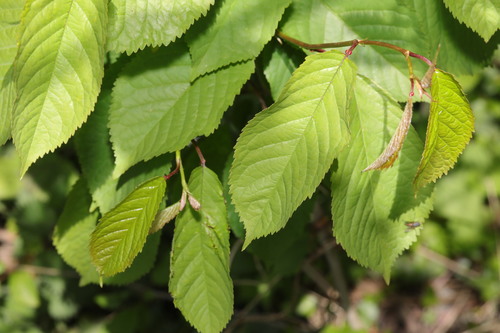 Prunus avium Bird Cherry
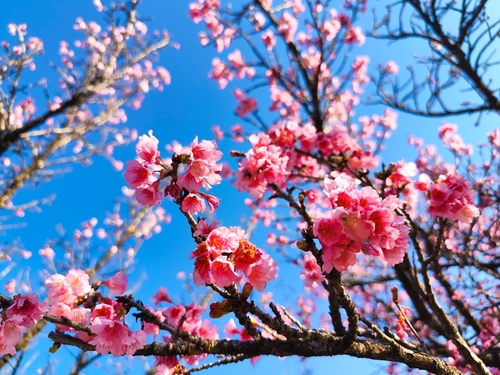 Prunus campanulata Formosan cherry
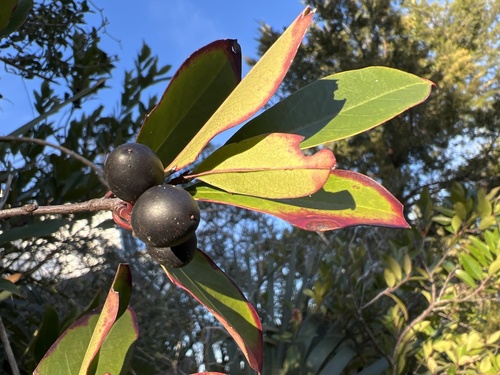 Prunus caroliniana Carolina laurel cherry
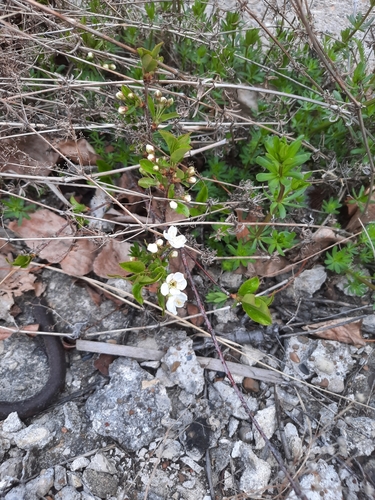 Prunus cerasus Amarelle Cherry
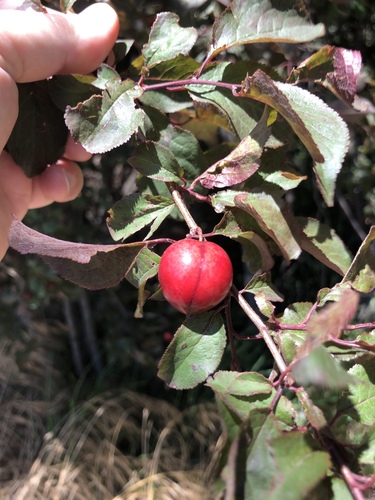 Prunus domestica Bullace plum
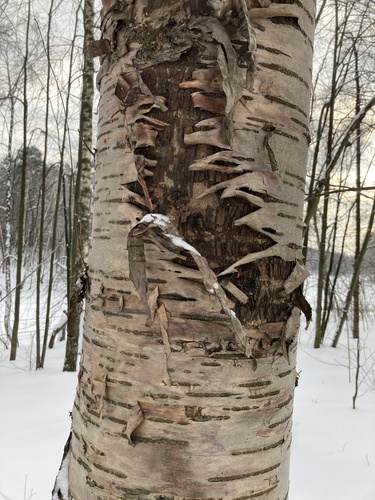 Prunus glandulifolia Amur choke cherry
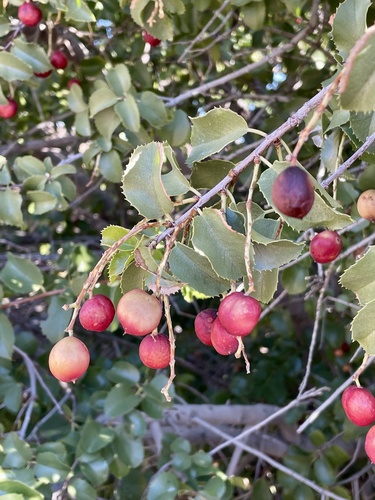 Prunus ilicifolia Hollyleaf Cherry
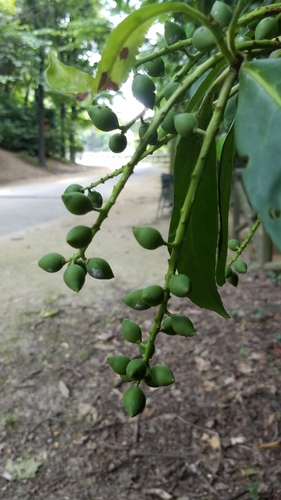 Prunus laurocerasus Cherry Laurel
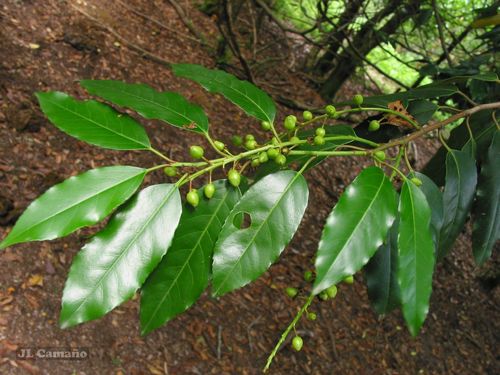 Prunus lusitanica Portugal Laurel all 30 ›
History & registers
Where this page came from built 2026-09-20 · dossier v2 · node
gbif.species answeredcarried from build of 2026-09-20 (offline re-derivation; the backbone was not asked)gbif.synonyms answeredcarried from build of 2026-09-20 (offline re-derivation; the backbone was not asked)gbif.vernacular answeredcarried from build of 2026-09-20 (offline re-derivation; the backbone was not asked)wcvp.distribution answeredgbif.occurrences answeredGBIF occurrence search APIclimate nothing to reportwikidata answeredcarried from build of 2026-09-20 (rederive); that build: carried from build of 2026-09-19 (rederive); that build: carried from build of 2026-09-19 (rederive)wikipedia answeredcarried from build of 2026-09-20; this build: skippedinat.taxon not askedcarried from build of 2026-09-20 (rederive)inat.photos.wild answeredcarried from build of 2026-09-20; this build: skippedinat.photos.cultivated nothing to reportcarried from build of 2026-09-20 (rederive); that build: carried from build of 2026-09-19 (rederive); that build: carried from build of 2026-09-19 (rederive)commons nothing to reportcarried from build of 2026-09-20 (rederive); that build: carried from build of 2026-09-19 (rederive); that build: carried from build of 2026-09-19 (rederive)gbif.media did not answercarried from build of 2026-09-20 (rederive); that build: api.gbif.org not asked: offline re-derivationopenalex answeredcarried from build of 2026-09-20; this build: skippedEvery upstream is recorded as having answered, reported nothing, or refused. Only “nothing to report” is ever shown as an absence. Records came from 13 datasets via GBIF.org; each carries its own licence.