Araceae
593 species in 74 genera · 439 with a habitat climate · 513 grown, per iNaturalist, 80 not counted
Most native to: Colombia 160Ecuador 95Panama 91Costa Rica 89Venezuela 88Peru 74Thailand 74China South-Central 72Brazil North 71Myanmar 64Nicaragua 63Bolivia 58
A species counts in every region it is native to. Native ranges: Kew's World Checklist of Vascular Plants (Govaerts et al., CC BY 4.0), file of 4 June 2026.
593 species
Araceae
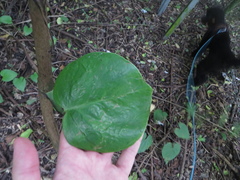 Epipremnum aureum Devil's ivy Photo: CC BY, Ben Machado
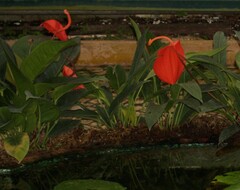 Anthurium andraeanum Flamingo-lily Photo: CC BY, zebedeugalinha
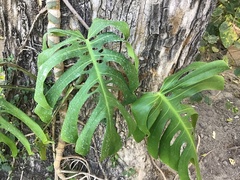 Monstera deliciosa Swiss cheese plant Photo: CC BY, Robert Taylor
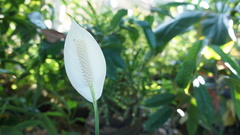 Spathiphyllum wallisii Peace Lily Photo: CC BY, Greg III Espera
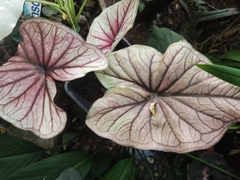 Caladium bicolor Heart of Jesus Photo: CC BY, Greg III Espera
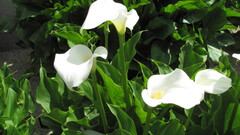 Zantedeschia aethiopica Calla lily Photo: CC BY, zebedeugalinha
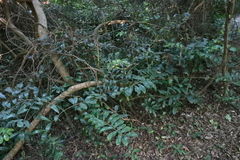 Zamioculcas zamiifolia ZZ Plant Photo: CC BY-SA, Tony Rebelo
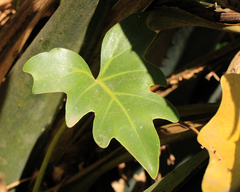 Philodendron bipinnatifidum Photo: CC0, Paula Romano
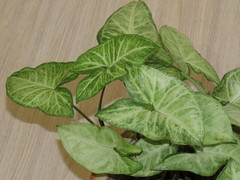 Syngonium podophyllum American evergreen Photo: CC BY, Jeremy Gilmore
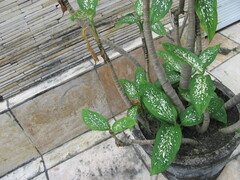 Dieffenbachia seguine Dumb cane Photo: CC BY, zebedeugalinha
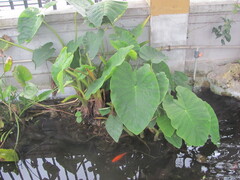 Colocasia esculenta Taro Photo: CC BY, zebedeugalinha
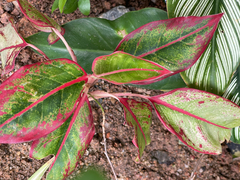 Aglaonema commutatum Philippine evergreen Photo: CC BY, NV Residencies
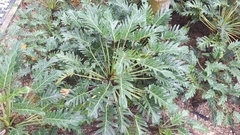 Philodendron xanadu Photo: CC BY-SA, Ong Jyh Seng
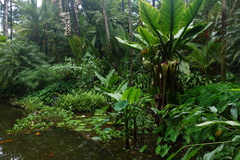 Alocasia macrorrhizos Giant taro Photo: CC0, Zoltán Stekkelpak
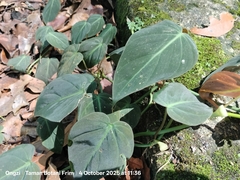 Philodendron hederaceum Vilevine Photo: CC BY, Ong Jyh Seng
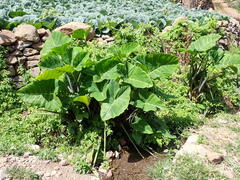 Xanthosoma sagittifolium Arrowleaf elephant's ear Photo: CC BY, Milan Chytrý
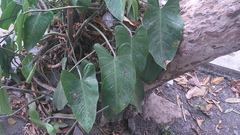 Philodendron erubescens Blushing philodendron Photo: CC BY, Raúl A. Ruiz M.
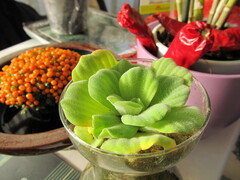 Pistia stratiotes Water lettuce Photo: CC BY, zebedeugalinha
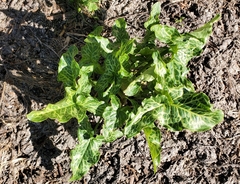 Arum italicum Italian lords-and-ladies Photo: CC BY, mteeter
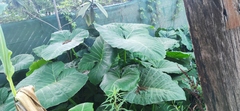 Xanthosoma robustum Capote Photo: CC BY, Liliana Ramírez-Freire
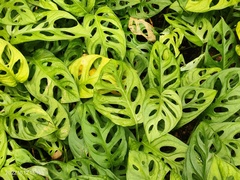 Monstera adansonii Adanson's monstera Photo: CC BY-SA, Ong Jyh Seng
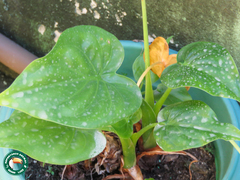 Alocasia cucullata Chinese taro Photo: CC BY, Diogo Luiz
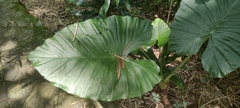 Alocasia odora Asian taro Photo: CC BY-SA, J Alejandro González Castillo
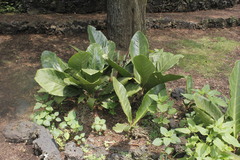 Anthurium schlechtendalii Bird's nest anthurium Photo: CC BY-SA, Juan Cruzado Cortés
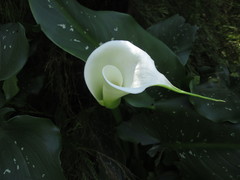 Zantedeschia albomaculata Spotted calla lily Photo: CC BY, Nolan Exe
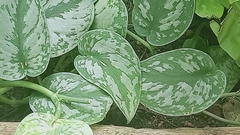 Scindapsus pictus Satin pothos Photo: CC BY-SA, Ong Jyh Seng
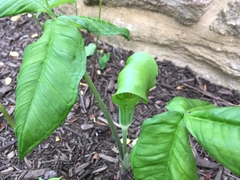 Arisaema triphyllum Jack-in-the-pulpit Photo: CC0, Ben Sims
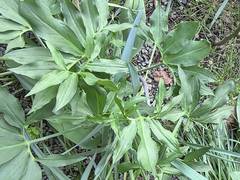 Dracunculus vulgaris Common dracunculus Photo: CC BY, Matthieu Le Goïc
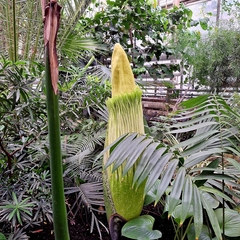 Amorphophallus titanum Corpse Flower Photo: CC0, Marek Hrušovský
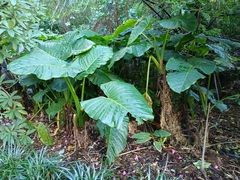 Alocasia brisbanensis Elephant Ears Photo: CC BY, Leon Perrie
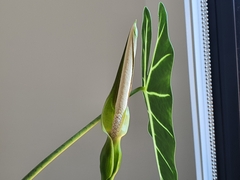 Alocasia micholitziana Green-velvet alocasia Photo: CC BY, Lek Khauv
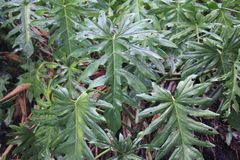 Philodendron radiatum Split Leaf Climber Photo: CC BY, Ricard Busquets Reverte
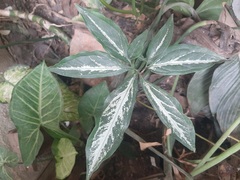 Syngonium angustatum Fivefingers Photo: CC BY, Pablo Cauã da Silva Toledo
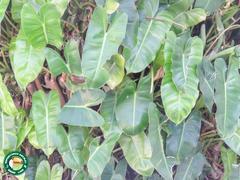 Philodendron quinquenervium Photo: CC BY, Diogo Luiz
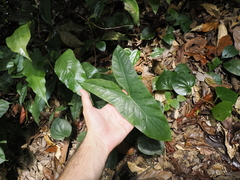 Alocasia longiloba Photo: CC BY, Lucas Christofides
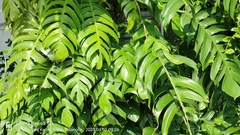 Epipremnum pinnatum Centipede tongavine Photo: CC BY-SA, Ong Jyh Seng
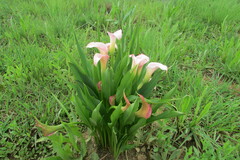 Zantedeschia rehmannii Pink-arum Photo: CC BY-SA, James Deacon
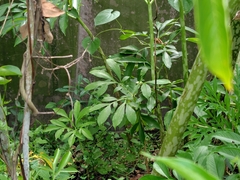 Amorphophallus paeoniifolius Elephant-yam Photo: CC BY, chiuluan
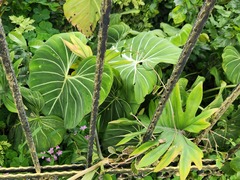 Philodendron gloriosum Photo: CC BY, 胡正恆(Jackson Hu)
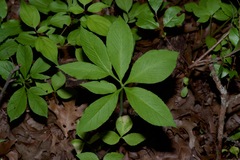 Arisaema dracontium Green dragon Photo: CC BY, Michelle W. (鍾偉瑋)
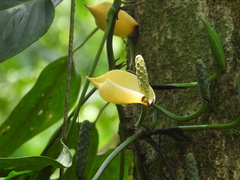 Monstera obliqua Window-Leaf Monstera Photo: CC0, jose_balderrama
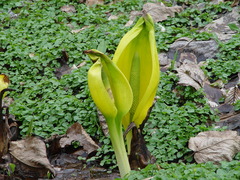 Lysichiton americanus American skunk cabbage Photo: CC BY-SA, Grzegorz Grzejszczak
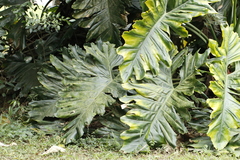 Philodendron undulatum Photo: CC0, Paula Romano
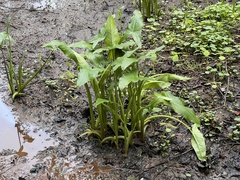 Peltandra virginica Tuckahoe Photo: CC BY, Matt Felperin
 Amorphophallus konjac Devil's tongue Photo: CC BY-SA, Sebastian Stabinger
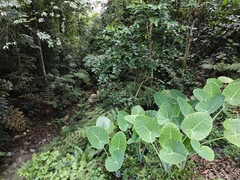 Leucocasia gigantea Indian taro Photo: CC BY, Artem Abdukakharov
 Rhaphidophora tetrasperma Mini monstera Photo: CC BY-SA, Jule.Kat
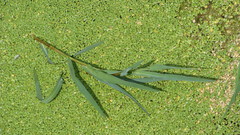 Lemna minor Common duckweed Photo: CC BY, Alexis López Hernández
Grown: iNaturalist's observations of the species marked captive or cultivated; "not counted" where the species list does not count it. Native ranges: Kew's World Checklist of Vascular Plants (Govaerts et al., CC BY 4.0), file of 4 June 2026. Grown: iNaturalist's observations marked captive or cultivated, counted 17 October 2026 (the species list's count). Habitat climate known: the species page has a habitat climate, read from CHELSA's monthly climate and NASA POWER's daily extremes at its well-placed wild records inside Kew's native range; each page says its own sources and days. Record low: the lowest night in NASA POWER's daily series at the habitat's typical spot, as the species page gives it, held in °C to a tenth and shown in your units; each page says its own years and day read. Counts as the reference built on 19 November 2026 holds them. The CSV holds every result, not only this page's.