Arecaceae
507 species in 141 genera · 366 with a habitat climate · 491 grown, per iNaturalist, 16 not counted
Most native to: Colombia 93Ecuador 54Venezuela 54Brazil North 52Peru 48Bolivia 45Panama 44Honduras 41Costa Rica 40Mexico Southeast 39Nicaragua 38Thailand 38
A species counts in every region it is native to. Native ranges: Kew's World Checklist of Vascular Plants (Govaerts et al., CC BY 4.0), file of 4 June 2026.
507 species
Arecaceae
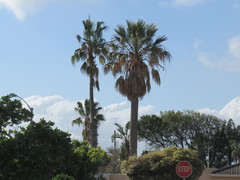 Washingtonia filifera California fan palm Photo: CC BY, Jeremy Gilmore
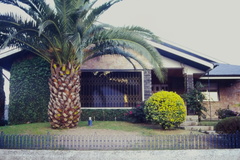 Phoenix canariensis Canary Island date palm Photo: CC BY, zebedeugalinha
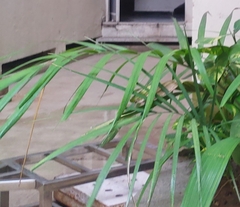 Chrysalidocarpus lutescens Yellow butterfly palm Photo: CC BY, Mitul and Vijul Singh
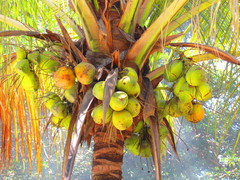 Cocos nucifera Coconut palm Photo: CC BY-SA, Oscar Alejandro Morales Juárez
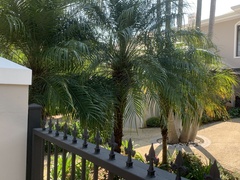 Phoenix roebelenii Pygmy date palm Photo: CC BY, Dave Richardson
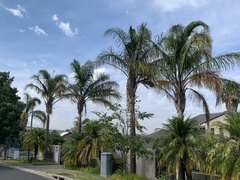 Syagrus romanzoffiana Queen palm Photo: CC BY, Dave Richardson
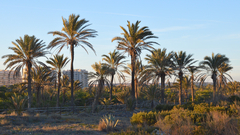 Phoenix dactylifera Date palm Photo: CC BY-SA, Ryan Hodnett
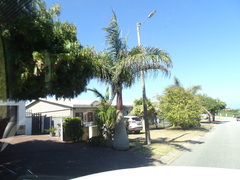 Roystonea regia Cuban royal palm Photo: CC BY, Shaun Swanepoel
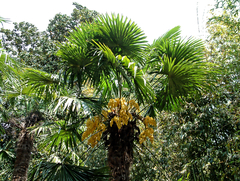 Trachycarpus fortunei Chusan palm Photo: CC BY, Philippe Hornus
 Livistona chinensis Chinese fan palm Photo: CC BY-SA, Ong Jyh Seng
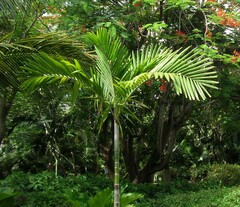 Adonidia merrillii Manila palm Photo: CC BY, zebedeugalinha
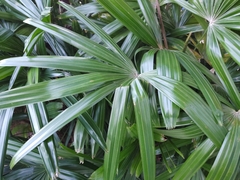 Rhapis excelsa Broadleaf Lady Palm Photo: CC0, peakaytea
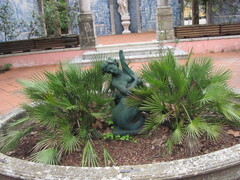 Chamaerops humilis European fan palm Photo: CC BY, zebedeugalinha
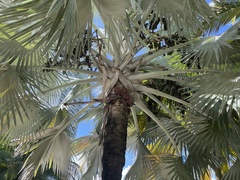 Bismarckia nobilis Bismarck Palm Photo: CC BY, Megan Carlton
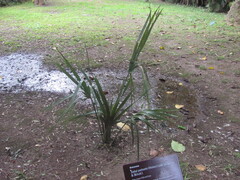 Sabal palmetto Cabbage palm Photo: CC BY, zebedeugalinha
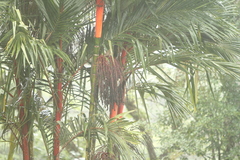 Cyrtostachys renda Lipstick palm Photo: CC BY, kursic
 Wodyetia bifurcata Foxtail palm Photo: CC BY, Dave Richardson
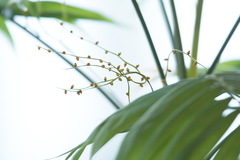 Chamaedorea elegans Parlor palm Photo: CC BY, Вячеслав Юсупов
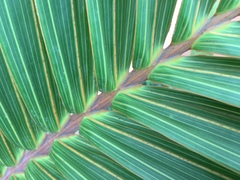 Hyophorbe lagenicaulis Bottle palm Photo: CC BY-SA, AnnLazaro
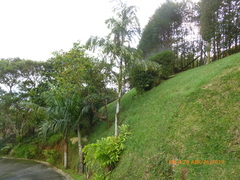 Caryota mitis Burmese fishtail palm Photo: CC BY, Daniel A. Monsalve Ortiz
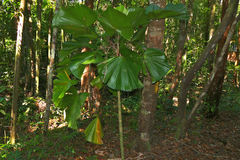 Licuala grandis Ruffled fan palm Photo: CC BY, Bernard DUPONT
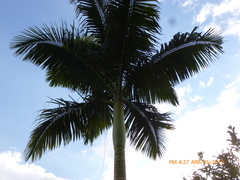 Archontophoenix alexandrae Alexandra palm Photo: CC BY, Daniel A. Monsalve Ortiz
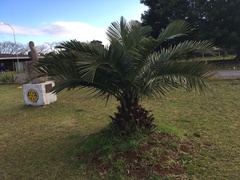 Jubaea chilensis Chile cocopalm Photo: CC BY, Patricio Novoa
 Areca catechu Betel nut palm Photo: CC0, 葉子
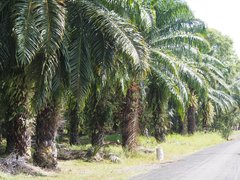 Elaeis guineensis African oil palm Photo: CC BY-SA, Lena Struwe
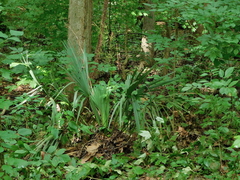 Sabal minor Dwarf palmetto Photo: CC BY, Michael J. Papay
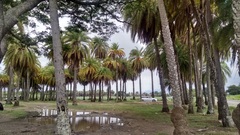 Phoenix sylvestris Wild date palm Photo: CC0, Zoltán Stekkelpak
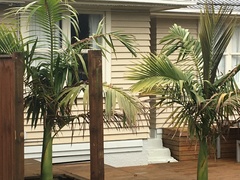 Archontophoenix cunninghamiana Picabeen palm Photo: CC0, Jenny Christianson
 Butia odorata South American Jelly Palm Photo: CC BY, Jeremy Gilmore
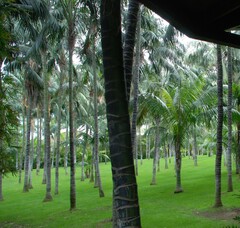 Howea forsteriana Sentry palm Photo: CC BY, Татьяна Максимова
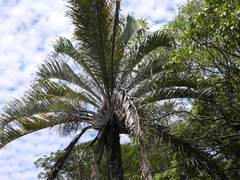 Chrysalidocarpus decaryi Triangle palm Photo: CC BY, amantedarmanin
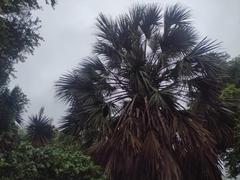 Sabal mexicana Rio Grande palmetto Photo: CC0, Alex
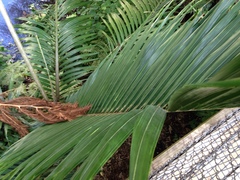 Rhopalostylis sapida Nikau palm Photo: CC BY, Andrea Grover
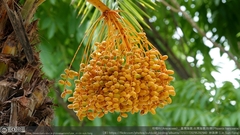 Phoenix loureiroi Loureir's date palm Photo: CC BY-SA, 林孫鋒(Lin Sun Fong)
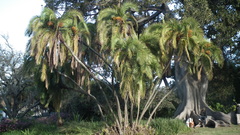 Phoenix reclinata Senegal date palm Photo: CC BY, Shaun Swanepoel
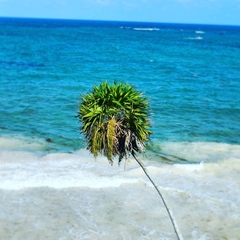 Thrinax radiata Florida thatch palm Photo: CC BY, Mauricio Calderón Cadena
 Copernicia alba Caranday palm Photo: CC BY-SA, Ong Jyh Seng
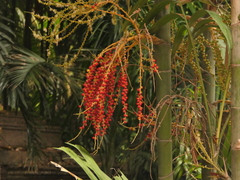 Ptychosperma propinquum Macarthur Palm Photo: CC BY, Sagnik Dutta Roy
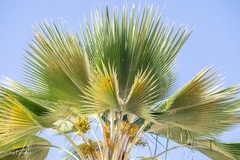 Pritchardia pacifica Fiji fan palm Photo: CC BY, Jay Brasher
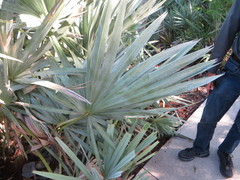 Serenoa repens Saw palmetto Photo: CC BY, Ben Machado
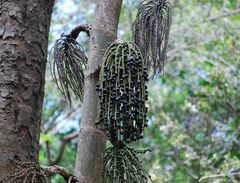 Caryota urens Jaggery palm Photo: CC0, Mirela
 Parajubaea cocoides Quito palm Photo: CC BY, Stephen Thorpe
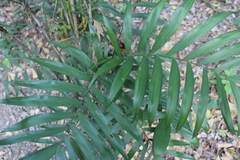 Chamaedorea seifrizii Seifriz's chamaedorea Photo: CC BY, Ricard Busquets Reverte
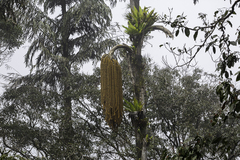 Caryota maxima Photo: CC BY, dhfischer
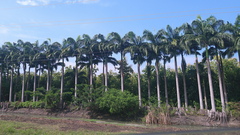 Roystonea oleracea Caribbean royal palm Photo: CC BY, Raúl A. Ruiz M.
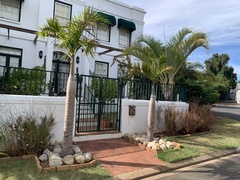 Hyophorbe verschaffeltii Spindle palm Photo: CC BY, Dave Richardson
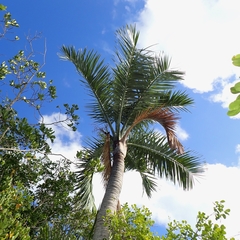 Pseudophoenix sargentii Sargent's cherry palm Photo: CC BY-SA, Peter Burka
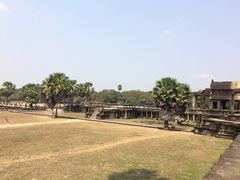 Borassus flabellifer Toddy palm Photo: CC BY, Анна Митрошенкова
Grown: iNaturalist's observations of the species marked captive or cultivated; "not counted" where the species list does not count it. Native ranges: Kew's World Checklist of Vascular Plants (Govaerts et al., CC BY 4.0), file of 4 June 2026. Grown: iNaturalist's observations marked captive or cultivated, counted 17 October 2026 (the species list's count). Habitat climate known: the species page has a habitat climate, read from CHELSA's monthly climate and NASA POWER's daily extremes at its well-placed wild records inside Kew's native range; each page says its own sources and days. Record low: the lowest night in NASA POWER's daily series at the habitat's typical spot, as the species page gives it, held in °C to a tenth and shown in your units; each page says its own years and day read. Counts as the reference built on 19 November 2026 holds them. The CSV holds every result, not only this page's.