Asphodelaceae
613 species in 33 genera · 343 with a habitat climate · 388 grown, per iNaturalist, 225 not counted
Most native to: Cape Provinces 321Northern Provinces 80KwaZulu-Natal 63Namibia 43Madagascar 40Free State 37Swaziland 35Mozambique 29New South Wales 27Botswana 23Ethiopia 23Kenya 23
A species counts in every region it is native to. Native ranges: Kew's World Checklist of Vascular Plants (Govaerts et al., CC BY 4.0), file of 4 June 2026.
613 species
Asphodelaceae
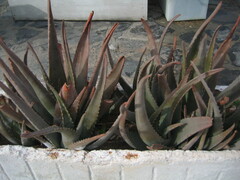 Aloe vera Barbados aloe Photo: CC BY, zebedeugalinha
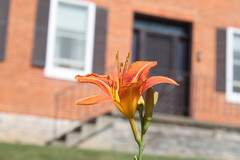 Hemerocallis fulva Orange day-lily Photo: CC BY, Violet T.
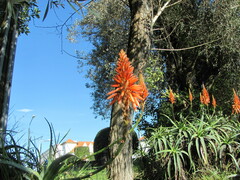 Aloe arborescens Candelabra aloe Photo: CC BY, zebedeugalinha
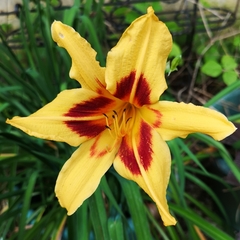 Hemerocallis lilioasphodelus Yellow day-lily Photo: CC BY, olrett
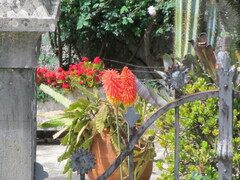 Kniphofia uvaria Red-hot-poker Photo: CC BY, zebedeugalinha
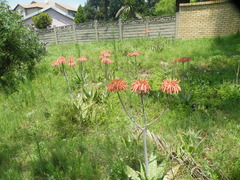 Aloe maculata Broadleaf aloe Photo: CC BY-SA, Antoinette Eyssell Knox
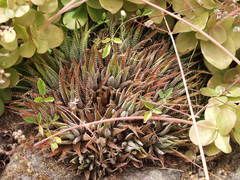 Haworthiopsis attenuata Photo: CC0, Ina Siebert
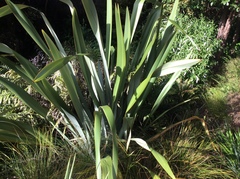 Phormium tenax New Zealand flax Photo: CC BY, Tim Park
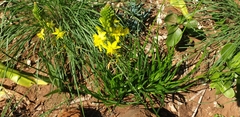 Bulbine frutescens Snake Flower Photo: CC BY-SA, Brendan Smith
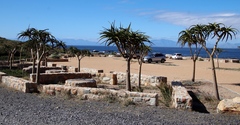 Aloidendron barberae Tree aloe Photo: CC BY-SA, Tony Rebelo
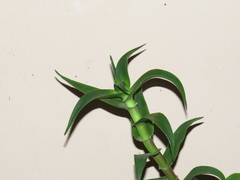 Aloiampelos ciliaris Climbing aloe Photo: CC BY, Jeremy Gilmore
 Aristaloe aristata Guinea-fowl aloe Photo: CC BY, Neptalí Ramírez Marcial
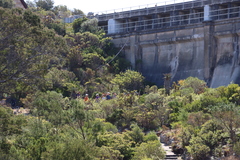 Aloe ferox Cape aloe Photo: CC BY-SA, Tony Rebelo
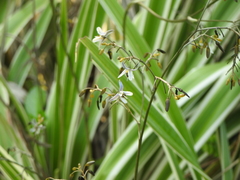 Dianella ensifolia Cerulean flax-lily Photo: CC0, 卢江离
 Aloe juvenna Tiger tooth aloe Photo: CC0, Di Turner
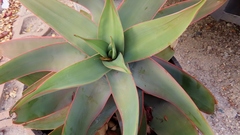 Aloe striata Coral aloe Photo: CC BY, linkie
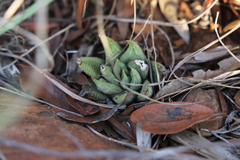 Haworthiopsis limifolia Swati Haworthia Photo: CC BY-SA, Suvarna Parbhoo Mohan
 Kumara plicatilis Photo: CC BY-SA, Tony Rebelo
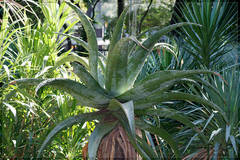 Aloe marlothii Mountain aloe Photo: CC BY, RAP
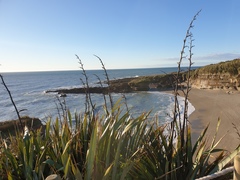 Phormium colensoi Photo: CC BY, Natalie Blackstock
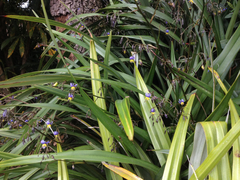 Dianella tasmanica Tasman flax-lily Photo: CC BY, Jon Sullivan
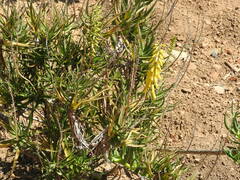 Aloiampelos tenuior Fence aloe Photo: CC BY-SA, Noeleen du Toit
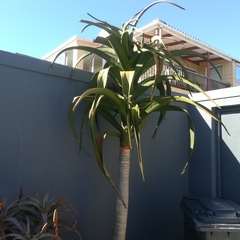 Aloidendron dichotomum Quiver tree Photo: CC BY-SA, Dagmar Gleiss
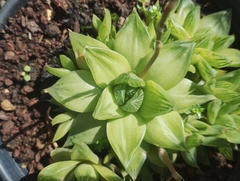 Haworthia cymbiformis Photo: CC BY, The Great Walter
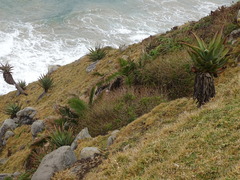 Aloe thraskii Dune aloe Photo: CC BY, Shaun Swanepoel
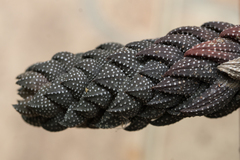 Haworthiopsis coarctata Albany Haworthia Photo: CC0, Frank Thomas Sautter
 Aloe brevifolia Photo: CC BY, Ian Webb
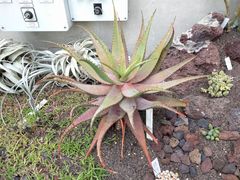 Aloe microstigma Photo: CC BY, Michel Langeveld
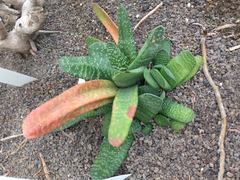 Gasteria carinata Keeled Oxtongue Photo: CC BY, Michel Langeveld
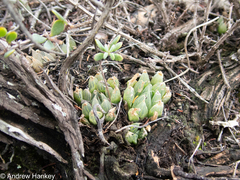 Haworthia cooperi Bristle Haworthia Photo: CC BY-SA, Andrew Hankey
 Aloiampelos striatula Hardy Aloe Photo: CC BY, YvettevWijk
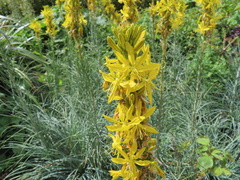 Asphodeline lutea Yellow asphodel Photo: CC BY, Nelson Balcar
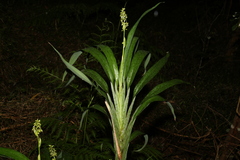 Dianella caerulea Paroo-lily Photo: CC BY-SA, Greg Tasney
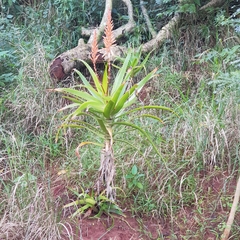 Aloe pluridens French aloe Photo: CC BY-SA, Margaret Burger
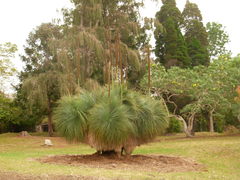 Xanthorrhoea glauca Blue Grasstree Photo: CC BY-SA, J Brew
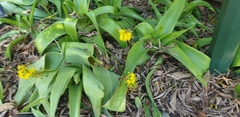 Bulbine latifolia Waterglass Bulbine Photo: CC BY-SA, Brendan Smith
 Aloe succotrina Bombay aloe Photo: CC BY-SA, James Deacon
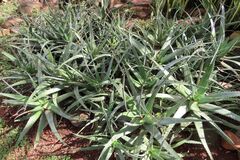 Aloe chabaudii Chabaud's aloe Photo: CC BY, Bruno - Yolande Zanette
 Haworthiopsis fasciata Fasciated Haworthia Photo: CC BY-SA, Andrew Gillespie
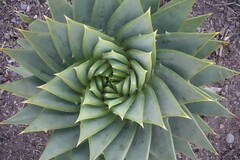 Aloe polyphylla Spiral aloe Photo: CC BY, Jon Sullivan
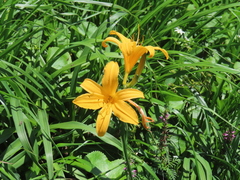 Hemerocallis middendorffii Amur day-lily Photo: CC BY, Timur Kalininsky
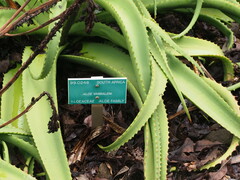 Aloe vanbalenii Van Balen's aloe Photo: CC BY, Kevin Faccenda
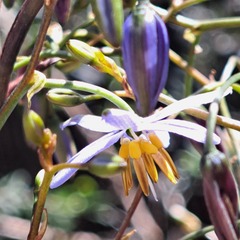 Dianella revoluta Black-anther Flax-lily Photo: CC BY, Barbara Read
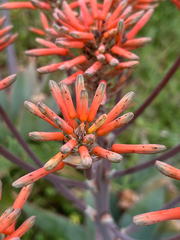 Aloe × schimperi Spotted aloe hybrid Photo: CC BY, safiyyah hattas
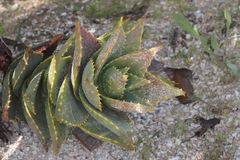 Aloe distans Goldtooth Aloe Photo: CC BY-SA, Cecile Roux
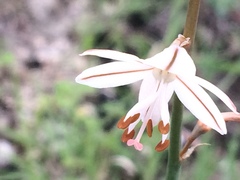 Asphodelus fistulosus Onionweed Photo: CC BY, Carlos Martorell
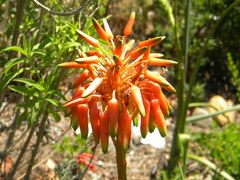 Aloe cooperi Cooper's aloe Photo: CC0, Tim Kirsten
 Gonialoe variegata Partridge breast aloe Photo: CC0, Peter Warren
Grown: iNaturalist's observations of the species marked captive or cultivated; "not counted" where the species list does not count it. Native ranges: Kew's World Checklist of Vascular Plants (Govaerts et al., CC BY 4.0), file of 4 June 2026. Grown: iNaturalist's observations marked captive or cultivated, counted 17 October 2026 (the species list's count). Habitat climate known: the species page has a habitat climate, read from CHELSA's monthly climate and NASA POWER's daily extremes at its well-placed wild records inside Kew's native range; each page says its own sources and days. Record low: the lowest night in NASA POWER's daily series at the habitat's typical spot, as the species page gives it, held in °C to a tenth and shown in your units; each page says its own years and day read. Counts as the reference built on 19 November 2026 holds them. The CSV holds every result, not only this page's.