Campanulaceae
340 species in 49 genera · 290 with a habitat climate · 238 grown, per iNaturalist, 102 not counted
Most native to: Yugoslavia 66Italy 63France 43Greece 38Austria 37Spain 35Turkey 35China South-Central 34Albania 32Bulgaria 30Germany 30Romania 30
A species counts in every region it is native to. Native ranges: Kew's World Checklist of Vascular Plants (Govaerts et al., CC BY 4.0), file of 4 June 2026.
340 species
Campanulaceae
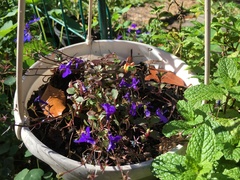 Lobelia erinus Edging lobelia Photo: CC BY, Caroline Voget
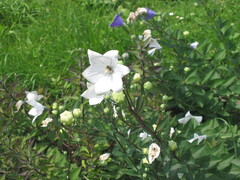 Platycodon grandiflorus Balloon-flower Photo: CC BY, zebedeugalinha
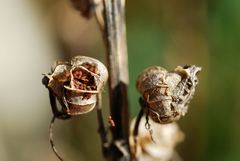 Lobelia cardinalis Cardinal-flower Photo: CC BY-SA, Douglas Goldman
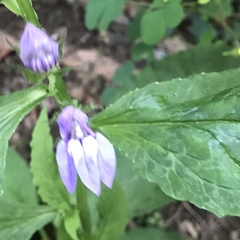 Lobelia siphilitica Great blue lobelia Photo: CC BY, Jamie VanBuskirk
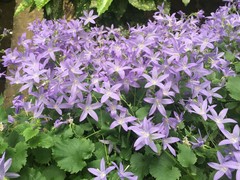 Campanula poscharskyana Trailing bellflower Photo: CC BY-SA, lejones417
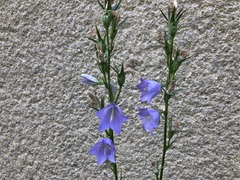 Campanula persicifolia Peach-leaved bellflower Photo: CC BY, Pavel Kacl
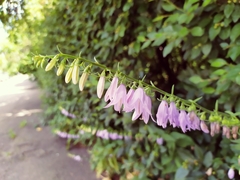 Campanula rapunculoides Creeping bellflower Photo: CC BY, Сергей Крыленко
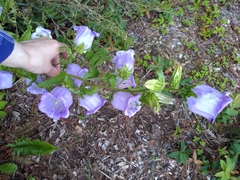 Campanula medium Canterbury bells Photo: CC BY, Mandy Hackney
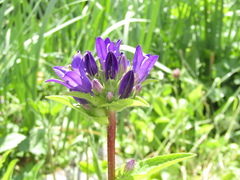 Campanula glomerata Clustered bellflower Photo: CC BY, Oleksandr Shynder
 Campanula punctata Spotted bellflower Photo: CC BY, Michel Langeveld
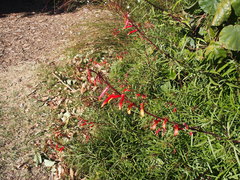 Lobelia laxiflora Sierra Madre lobelia Photo: CC BY-SA, Lena Struwe
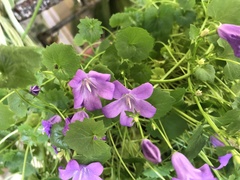 Campanula portenschlagiana Adria bellflower Photo: CC0, Adam Wachtel
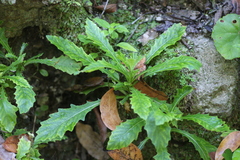 Hippobroma longiflora Madamfate Photo: CC0, Diego Blanco
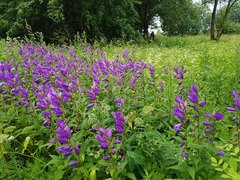 Campanula latifolia Giant bellflower Photo: CC0, Tomas Pocius
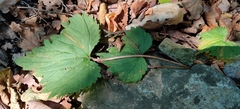 Campanula trachelium Nettle-leaved bellflower Photo: CC BY, Ondřej Křivan
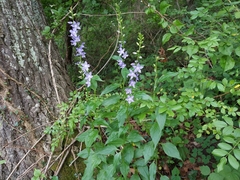 Campanulastrum americanum American bellflower Photo: CC BY, the swamp ass
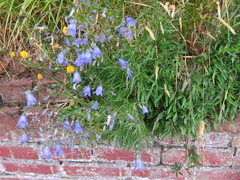 Campanula rotundifolia Harebell Photo: CC BY, John Steel
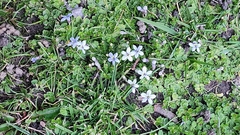 Lobelia pedunculata Matted pratia Photo: CC0, Jacob Collins
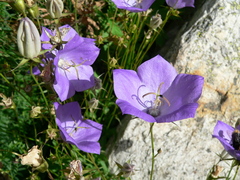 Campanula carpatica Tussock bellflower Photo: CC BY, Bob
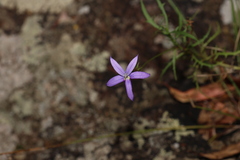 Lithotoma axillaris Rock isotome Photo: CC BY-SA, Greg Tasney
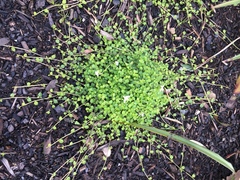 Lobelia angulata Lawn lobelia Photo: CC BY, Robert Vennell
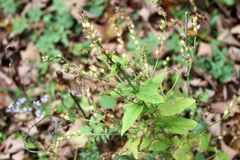 Lobelia inflata Indian-tobacco Photo: CC BY, Randy A Nonenmacher
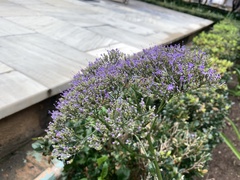 Trachelium caeruleum Throatwort Photo: CC BY, Marc Riera
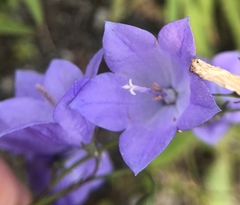 Campanula intercedens Intermediate bellflower Photo: CC BY, Andrew Garn
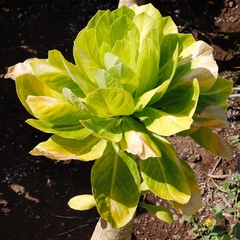 Brighamia insignis 'Ōlulu Photo: CC BY, jimsox
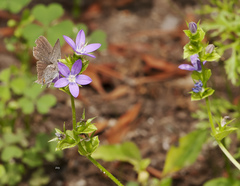 Triodanis perfoliata Clasping Venus' looking-glass Photo: CC BY, Seig
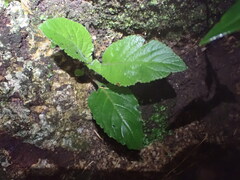 Lobelia physaloides Koru Photo: CC BY, naturewatchwidow
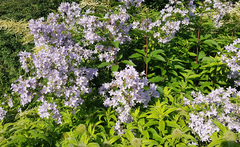 Campanula lactiflora Milky bellflower Photo: CC BY, Leonard Will
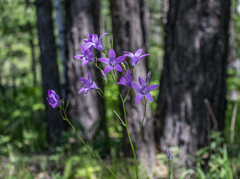 Campanula patula Spreading bellflower Photo: CC0, Фая Баландина
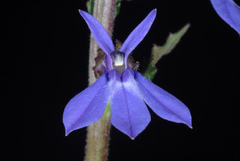 Lobelia puberula Downy lobelia Photo: CC BY-SA, Douglas Goldman
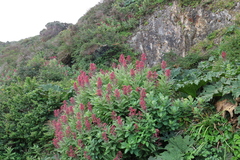 Lobelia tupa Devil's-tobacco Photo: CC BY-SA, Grzegorz Grzejszczak
 Campanula petiolata Western harebell Photo: CC BY-SA, Brian Finzel
 Canarina canariensis Canary Bellflower Photo: CC BY, Daniel Cahen
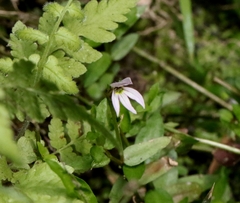 Lobelia chinensis Chinese lobelia Photo: CC0, Agnes Trekker
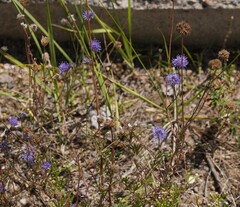 Jasione montana Sheep's-bit Photo: CC BY, Brenda Black
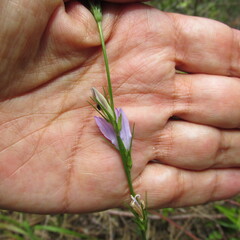 Campanula rapunculus Rampion bellflower Photo: CC BY, zebedeugalinha
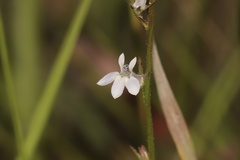 Lobelia spicata Pale-spike lobelia Photo: CC BY, Dustin Snider
 Lobelia × speciosa Showy lobelia Photo: CC BY, Paul Roots
 Trimeris anceps Photo: CC BY-SA, JonRichfield
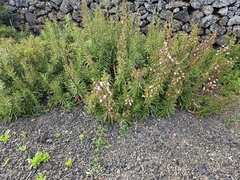 Campanula vidalii Photo: CC0, Bruce Stagg Martin
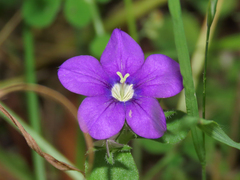 Legousia speculum-veneris Large Venus's-looking-glass Photo: CC BY-SA, Emanuele Santarelli
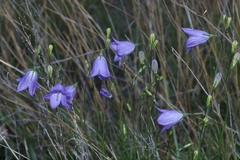 Campanula alaskana Alaskan bellflower Photo: CC BY, Dustin Snider
 Codonopsis lanceolata Deodeok (Lance Asiabell, Bonnet bellflower) Photo: CC BY, Repina Tatyana
 Campanula alliariifolia Cornish bellflower Photo: CC BY, Vladimir Atachkin
 Wahlenbergia stricta Australian bluebell Photo: CC BY, Kym Nicolson
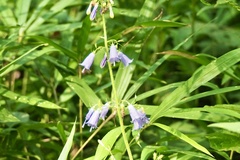 Adenophora triphylla Giant-bellflower Photo: CC BY, りなべる
 Codonopsis clematidea Bonnet-bellflower Photo: CC BY, Сергей Крыленко
 Downingia elegans Elegant calicoflower Photo: CC BY, Gail A Baker
Grown: iNaturalist's observations of the species marked captive or cultivated; "not counted" where the species list does not count it. Native ranges: Kew's World Checklist of Vascular Plants (Govaerts et al., CC BY 4.0), file of 4 June 2026. Grown: iNaturalist's observations marked captive or cultivated, counted 17 October 2026 (the species list's count). Habitat climate known: the species page has a habitat climate, read from CHELSA's monthly climate and NASA POWER's daily extremes at its well-placed wild records inside Kew's native range; each page says its own sources and days. Record low: the lowest night in NASA POWER's daily series at the habitat's typical spot, as the species page gives it, held in °C to a tenth and shown in your units; each page says its own years and day read. Counts as the reference built on 19 November 2026 holds them. The CSV holds every result, not only this page's.