Celastraceae
147 species in 36 genera · 123 with a habitat climate · 131 grown, per iNaturalist, 16 not counted
Most native to: China South-Central 38China Southeast 36China North-Central 29Cape Provinces 23KwaZulu-Natal 22Myanmar 18East Himalaya 17Japan 17Tibet 17Vietnam 17Taiwan 16Northern Provinces 15
A species counts in every region it is native to. Native ranges: Kew's World Checklist of Vascular Plants (Govaerts et al., CC BY 4.0), file of 4 June 2026.
147 species
Celastraceae
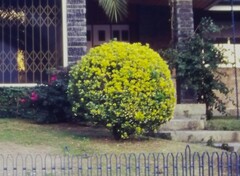 Euonymus japonicus Evergreen spindle Photo: CC BY, zebedeugalinha
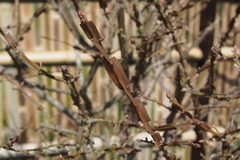 Euonymus alatus Winged euonymus Photo: CC BY-SA, harum.koh
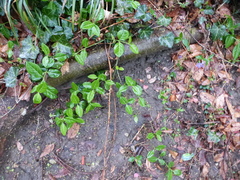 Euonymus fortunei Winter creeper Photo: CC0, Ira Gershenhorn
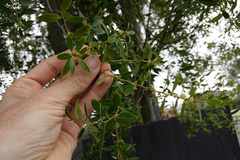 Maytenus boaria Mayten Photo: CC BY, Jon Sullivan
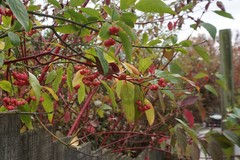 Euonymus europaeus European spindle-tree Photo: CC BY, Alice Shanks
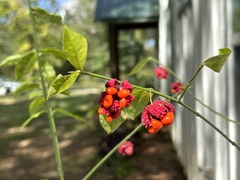 Euonymus americanus Hearts-bustin'-with-love Photo: CC BY, Northcut
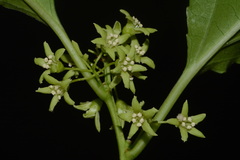 Celastrus orbiculatus Oriental bittersweet Photo: CC BY-SA, Brian Finzel
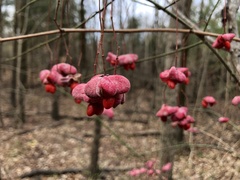 Euonymus atropurpureus Eastern burning-bush Photo: CC BY, Samantha Knight
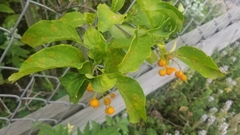 Celastrus scandens Staffvine Photo: CC BY, Brandon McCracken
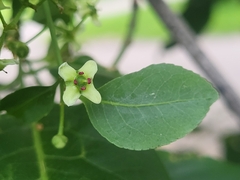 Euonymus hamiltonianus Himalayan spindle Photo: CC BY, Brandon McCracken
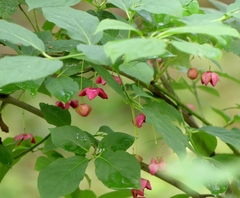 Euonymus latifolius Large-leaved Spindle Photo: CC BY, Trixie Hürkamp
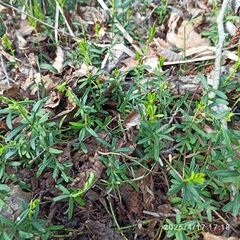 Euonymus nanus Dwarf euonymus Photo: CC BY, Galyna Mykytynets
 Euonymus maackii Hamilton's spindletree Photo: CC BY, 王天明
 Euonymus cochinchinensis Photo: CC0, 葉子
 Euonymus verrucosus Warty euonymus Photo: CC0, Игорь Загребин
 Paxistima myrsinites Mountain-lover Photo: CC BY, giantcicada
 Catha edulis Photo: CC BY, stephen
 Elaeodendron croceum Common-saffron Photo: CC BY, Jeremy Gilmore
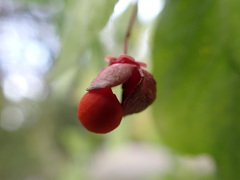 Euonymus occidentalis Western burning-bush Photo: CC0, Randal
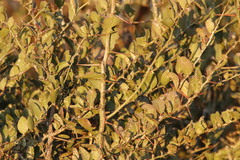 Gymnosporia buxifolia Common Spike-thorn Photo: CC BY-SA, Tony Rebelo
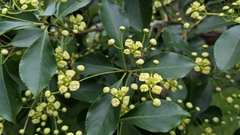 Euonymus carnosus Fleshy-flowered spindle tree Photo: CC BY, Cheng-Te Hsu
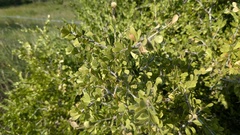 Schaefferia cuneifolia Desert yaupon Photo: CC BY, Joseph Aubert
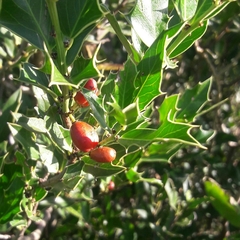 Maytenus ilicifolia Photo: CC BY-SA, Daniel Dias
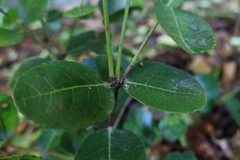 Cassine peragua Cape saffron Photo: CC BY, Diana Studer
 Crossopetalum ilicifolium Photo: CC BY, Tom Field
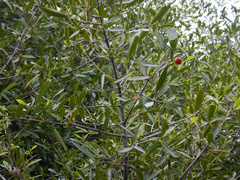 Elaeodendron australe Red-fruited Olive Plum Photo: CC BY, Jon Sullivan
 Elaeodendron orientale False olive Photo: CC BY, Augustin Soulard
 Gymnosporia senegalensis Confettitree Photo: CC BY, National Geographic Okavango Wilderness…
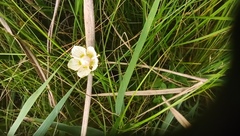 Parnassia palustris Grass-of-Parnassus Photo: CC BY, Nadezhda Kiseleva
 Paxistima canbyi Canby's mountain-lover Photo: CC BY, Alaina Krakowiak
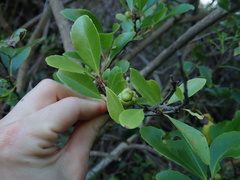 Gymnosporia cassinoides Photo: CC0, John Kenrick Gibson
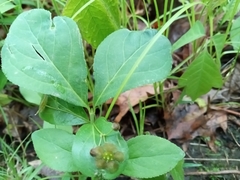 Euonymus obovatus Running strawberry-bush Photo: CC BY, Paul Roots
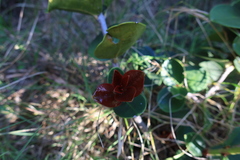 Maurocenia frangula Bittersweet Cherry Photo: CC BY, Diana Studer
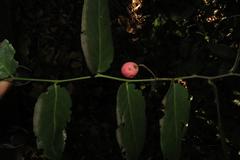 Mystroxylon aethiopicum Kooboo-berry Photo: CC BY-SA, Brian du Preez
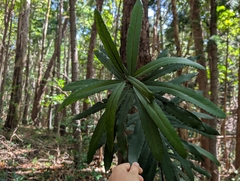 Brexia madagascariensis Brexia Photo: CC0, Damien Wallace
 Maytenus umbellata Photo: CC BY-SA, PESP/ Wikimedia
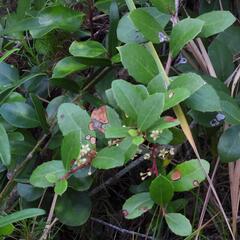 Maytenus procumbens Photo: CC BY, Henry de Lange
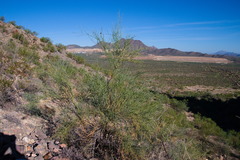 Canotia holacantha Crucifixion thorns Photo: CC BY-SA, Mike Ostrowski
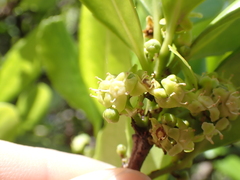 Elaeodendron laneanum Bermuda Olivewood Photo: CC0, Tim Kirsten
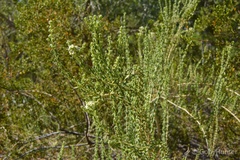 Mortonia scabrella Rio Grande saddlebush Photo: CC BY, GobyHunter
 Gymnosporia emarginata Photo: CC0, 葉子
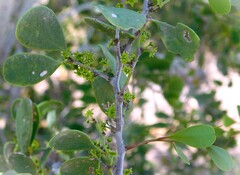 Maytenus phyllanthoides Florida mayten Photo: CC BY, Jose Luis Leon de la Luz
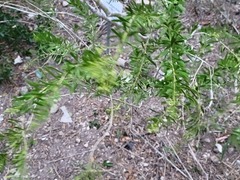 Mortonia greggii Gregg's saddlebush Photo: CC BY, johnyochum
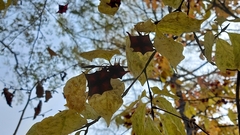 Euonymus macropterus Ussuri splindletree Photo: CC BY, Lena Perova
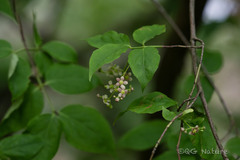 Euonymus oxyphyllus Korean spindle tree Photo: CC BY, Wang.QG
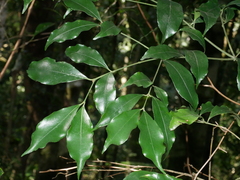 Euonymus laxiflorus Photo: CC BY, Jacy Chen
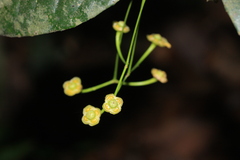 Euonymus grandiflorus Photo: CC BY, madhavan a.p
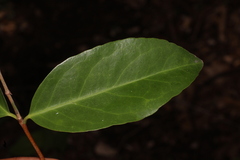 Salacia chinensis Photo: CC0, Aruna Gamuz
Grown: iNaturalist's observations of the species marked captive or cultivated; "not counted" where the species list does not count it. Native ranges: Kew's World Checklist of Vascular Plants (Govaerts et al., CC BY 4.0), file of 4 June 2026. Grown: iNaturalist's observations marked captive or cultivated, counted 17 October 2026 (the species list's count). Habitat climate known: the species page has a habitat climate, read from CHELSA's monthly climate and NASA POWER's daily extremes at its well-placed wild records inside Kew's native range; each page says its own sources and days. Record low: the lowest night in NASA POWER's daily series at the habitat's typical spot, as the species page gives it, held in °C to a tenth and shown in your units; each page says its own years and day read. Counts as the reference built on 19 November 2026 holds them. The CSV holds every result, not only this page's.