Escalloniaceae
18 species in 3 genera · 17 with a habitat climate · 16 grown, per iNaturalist, 2 not counted
Most native to: Chile Central 8Chile South 6Argentina South 4Colombia 4Ecuador 4Peru 4Argentina Northwest 3Bolivia 3Venezuela 3Brazil South 2Brazil Southeast 2Costa Rica 2
A species counts in every region it is native to. Native ranges: Kew's World Checklist of Vascular Plants (Govaerts et al., CC BY 4.0), file of 4 June 2026.
18 species
Escalloniaceae
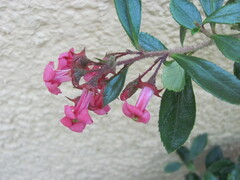 Escallonia rubra Redclaws Photo: CC BY, zebedeugalinha
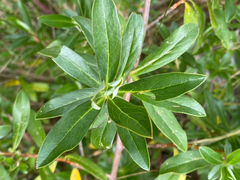 Escallonia resinosa Photo: CC BY, capacoscar
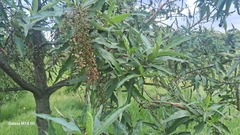 Escallonia pendula Photo: CC BY, GERMAN LEONEL SARMIENTO CRUZ
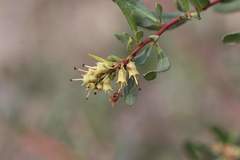 Escallonia illinita Photo: CC BY, Cesar Ormazabal
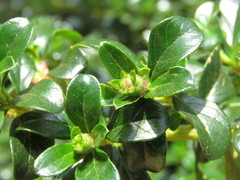 Escallonia myrtilloides Photo: CC BY, Juan Carlos Caicedo Hernández
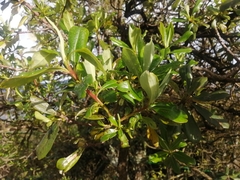 Escallonia discolor Photo: CC BY, GERMAN LEONEL SARMIENTO CRUZ
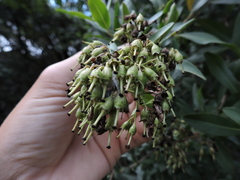 Escallonia bifida Photo: CC BY, Fabrício Mil Homens Riella
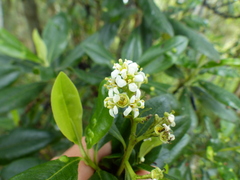 Escallonia paniculata Photo: CC BY, Ariel Gallego
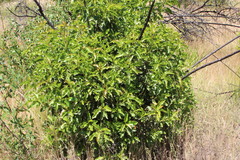 Escallonia pulverulenta Photo: CC BY, Cesar Ormazabal
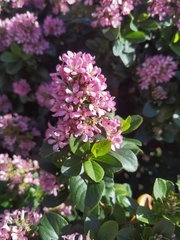 Escallonia laevis Photo: CC0, Fujun Shen
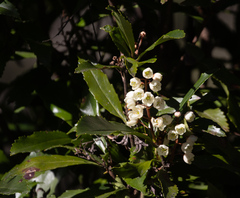 Anopterus glandulosus Tasmanian-laurel Photo: CC BY, avocat
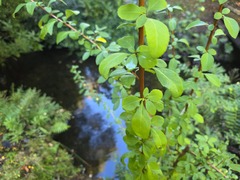 Escallonia alpina Photo: CC BY, Cesar Ormazabal
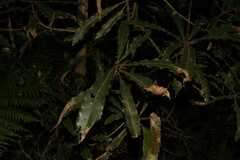 Anopterus macleayanus Macleay-laurel Photo: CC BY-SA, Greg Tasney
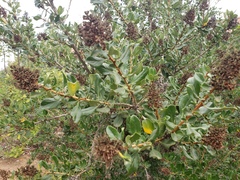 Escallonia myrtoidea Photo: CC BY, Cesar Ormazabal
 Escallonia virgata Photo: CC BY, Nicolas Olejnik
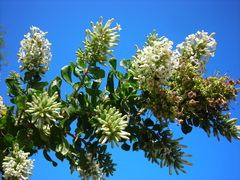 Escallonia revoluta Photo: CC BY, Patricio Novoa
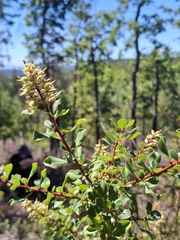 Escallonia leucantha Photo: CC BY-SA, Cecilia Briceño
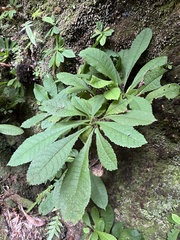 Valdivia gayana Photo: CC BY, Pablo Silva
Grown: iNaturalist's observations of the species marked captive or cultivated; "not counted" where the species list does not count it. Native ranges: Kew's World Checklist of Vascular Plants (Govaerts et al., CC BY 4.0), file of 4 June 2026. Grown: iNaturalist's observations marked captive or cultivated, counted 17 October 2026 (the species list's count). Habitat climate known: the species page has a habitat climate, read from CHELSA's monthly climate and NASA POWER's daily extremes at its well-placed wild records inside Kew's native range; each page says its own sources and days. Record low: the lowest night in NASA POWER's daily series at the habitat's typical spot, as the species page gives it, held in °C to a tenth and shown in your units; each page says its own years and day read. Counts as the reference built on 19 November 2026 holds them. The CSV holds every result, not only this page's.