Ranunculaceae
681 species in 36 genera · 614 with a habitat climate · 557 grown, per iNaturalist, 124 not counted
Most native to: China South-Central 118Italy 111China North-Central 110Yugoslavia 109France 102Spain 86Austria 82Kazakhstan 81Romania 80Bulgaria 79Manchuria 77Greece 75
A species counts in every region it is native to. Native ranges: Kew's World Checklist of Vascular Plants (Govaerts et al., CC BY 4.0), file of 4 June 2026.
681 species
Ranunculaceae
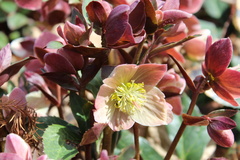 Helleborus orientalis Lenten-rose Photo: CC BY, L.J. Lamera
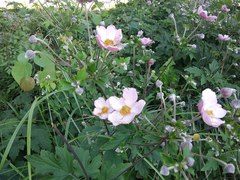 Eriocapitella hupehensis Hubei Anemone Photo: CC0, Ira Gershenhorn
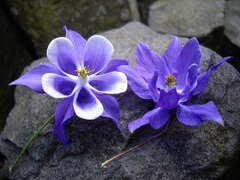 Aquilegia vulgaris Columbine Photo: CC BY, bernhard_hiller
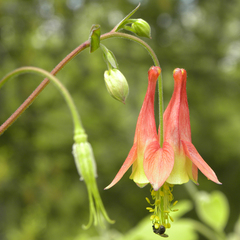 Aquilegia canadensis Honeysuckle Photo: CC BY, M. Whitson
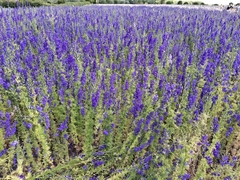 Delphinium ajacis Rocket larkspur Photo: CC0, Paul Round
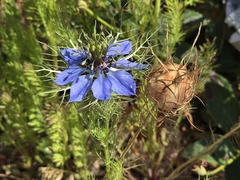 Nigella damascena Love-in-a-mist Photo: CC BY, Alan Rockefeller
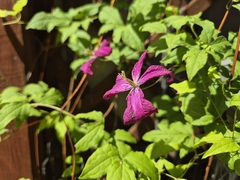 Clematis viticella Purple clematis Photo: CC BY, Bobo-X
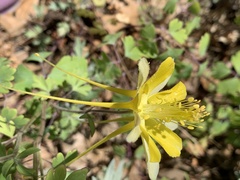 Aquilegia chrysantha Golden columbine Photo: CC0, jeanhm
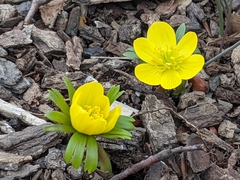 Eranthis hyemalis Winter aconite Photo: CC0, cgmayers
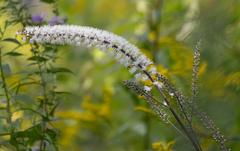 Actaea racemosa Black snakeroot Photo: CC BY, Andrew Murray
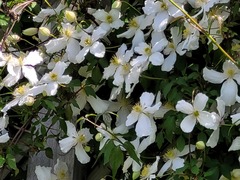 Clematis montana Himalayan clematis Photo: CC BY, Doug Miller
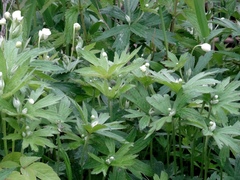 Anemonastrum canadense Canada anemone Photo: CC0, Robert McLeod
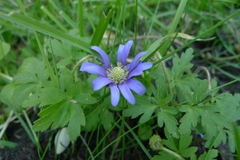 Anemone blanda Greek thimbleweed Photo: CC BY, aga_l_
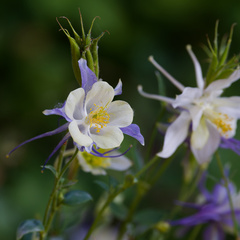 Aquilegia coerulea Rocky Mountain columbine Photo: CC BY, Daughter Dad
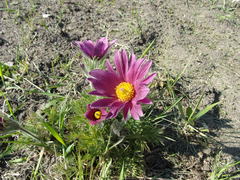 Pulsatilla vulgaris Pasqueflower Photo: CC BY, Оксана Серикова
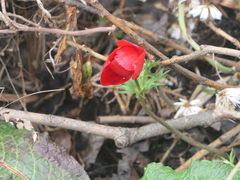 Anemone coronaria Poppy anemone Photo: CC BY, Pete Bradshaw
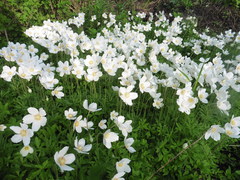 Anemone sylvestris Snowdrop anemone Photo: CC0, Силаева Татьяна Борисовна
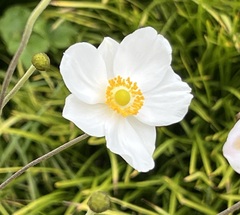 Eriocapitella japonica Japanese Thimbleweed Photo: CC BY, Summer J. Smentek
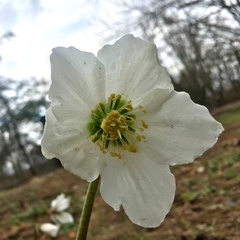 Helleborus niger Christmas-rose Photo: CC BY, Kai Löhr
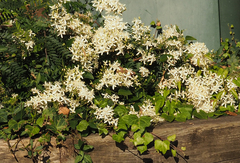 Clematis terniflora Sweet autumn clematis Photo: CC0, mefisher
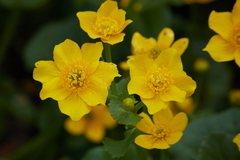 Caltha palustris Marsh-marigold Photo: CC0, Lauren N
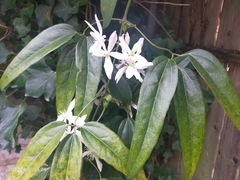 Clematis armandi Evergreen Clematis Photo: CC BY, AnimalObserverDeniz321
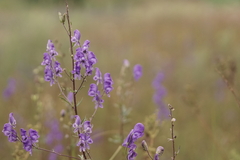 Aconitum napellus Venus' chariot Photo: CC BY, Sylvain Montagner
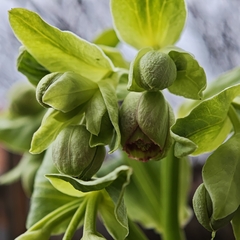 Helleborus foetidus Stinking hellebore Photo: CC BY, Evelyn Gussmann
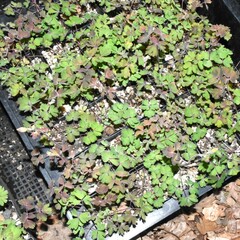 Aquilegia formosa Western columbine Photo: CC BY, Gabriel Campbell-Martinez
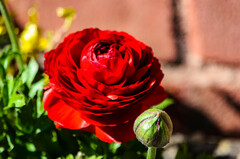 Ranunculus asiaticus Asian buttercup Photo: CC BY, David Ashcroft
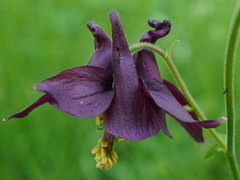 Aquilegia atrata Dark Columbine Photo: CC BY, Patrick Hacker
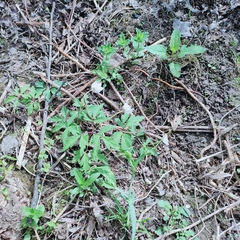 Anemone nemorosa Wood anemone Photo: CC BY, mikami-kun
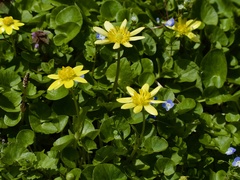 Ranunculus ficaria Fig buttercup Photo: CC BY, りなべる
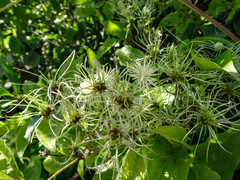 Clematis vitalba Traveller's-joy Photo: CC BY, Eleftherios Katsillis
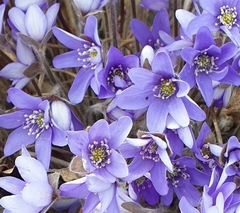 Hepatica nobilis Liverleaf Photo: CC BY, Mark Costello
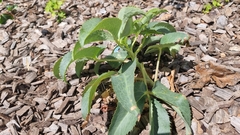 Helleborus argutifolius Corsican Hellebore Photo: CC BY, Julien Lepage
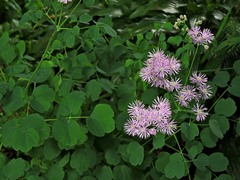 Thalictrum aquilegiifolium French meadow-rue Photo: CC BY, Jacy Chen
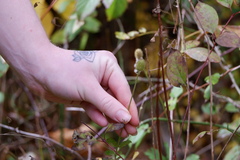 Anemone virginiana Tall anemone Photo: CC BY, Bonnie Semmling
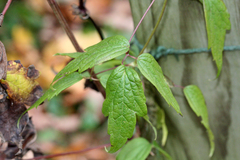 Clematis virginiana Virgin's-bower Photo: CC BY, Randy A Nonenmacher
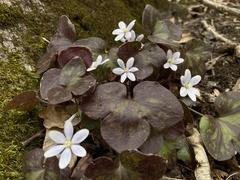 Hepatica americana Round-lobed hepatica Photo: CC0, Leah Fulton
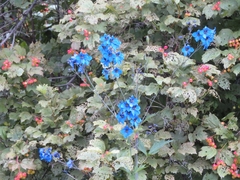 Delphinium elatum Candle larkspur Photo: CC BY, Марина
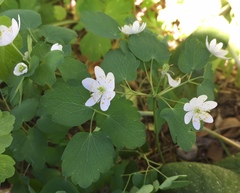 Thalictrum thalictroides Rue-anemone Photo: CC BY, aberkov
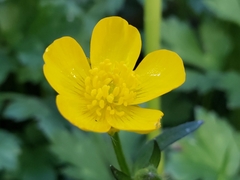 Ranunculus repens Creeping buttercup Photo: CC BY, Gavin Slater
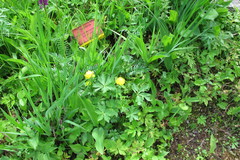 Trollius europaeus European globeflower Photo: CC BY-SA, Grzegorz Grzejszczak
 Clematis tangutica Orange-peel clematis Photo: CC BY, Oleksandr Shynder
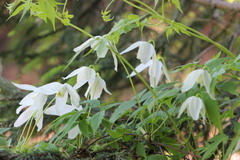 Clematis alpina Alpine Clematis Photo: CC BY, Tatiana Strus
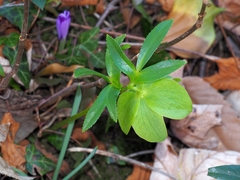 Helleborus viridis Green hellebore Photo: CC BY, olrett
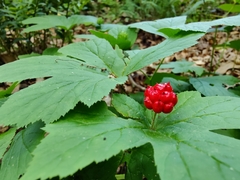 Hydrastis canadensis Goldenseal Photo: CC BY, Siddarth Machado
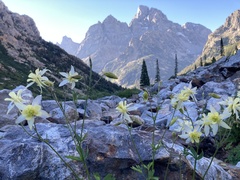 Aquilegia flavescens Yellow columbine Photo: CC BY, Loren Cassin Sackett
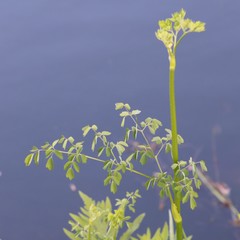 Thalictrum pubescens King of the meadow Photo: CC BY, Mark Apgar
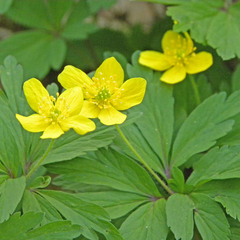 Anemone ranunculoides Yellow anemone Photo: CC BY, M. Whitson
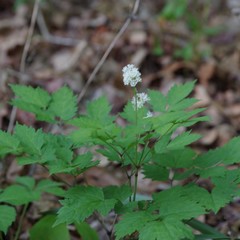 Actaea pachypoda White baneberry Photo: CC0, Mark Connolly
Grown: iNaturalist's observations of the species marked captive or cultivated; "not counted" where the species list does not count it. Native ranges: Kew's World Checklist of Vascular Plants (Govaerts et al., CC BY 4.0), file of 4 June 2026. Grown: iNaturalist's observations marked captive or cultivated, counted 17 October 2026 (the species list's count). Habitat climate known: the species page has a habitat climate, read from CHELSA's monthly climate and NASA POWER's daily extremes at its well-placed wild records inside Kew's native range; each page says its own sources and days. Record low: the lowest night in NASA POWER's daily series at the habitat's typical spot, as the species page gives it, held in °C to a tenth and shown in your units; each page says its own years and day read. Counts as the reference built on 19 November 2026 holds them. The CSV holds every result, not only this page's.