Verbenaceae
137 species in 19 genera · 131 with a habitat climate · 133 grown, per iNaturalist, 4 not counted
Most native to: Mexico Northeast 51Mexico Northwest 42Bolivia 40Colombia 40Mexico Southwest 40Argentina Northeast 36Mexico Gulf 36Argentina Northwest 35Mexico Southeast 34Paraguay 34Texas 34Venezuela 34
A species counts in every region it is native to. Native ranges: Kew's World Checklist of Vascular Plants (Govaerts et al., CC BY 4.0), file of 4 June 2026.
137 species
Verbenaceae
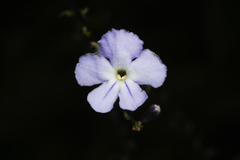 Duranta erecta Pigeonberry Photo: CC BY, Daniel Mesa
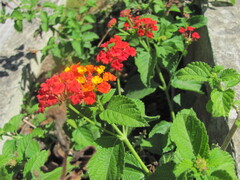 Lantana camara Common lantana Photo: CC BY, zebedeugalinha
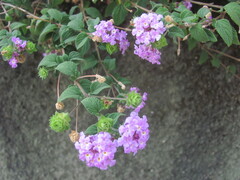 Lantana montevidensis Trailing shrubverbena Photo: CC BY, zebedeugalinha
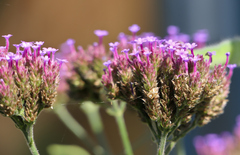 Verbena bonariensis Purpletop vervain Photo: CC0, hhkaaks
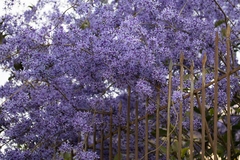 Petrea volubilis Queen's-wreath Photo: CC0, Frank Thomas Sautter
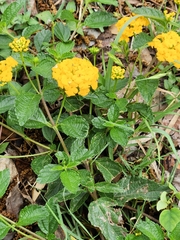 Lantana × polyacantha Photo: CC BY, Jo Roberts
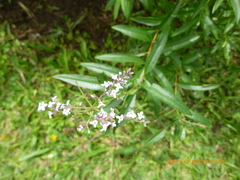 Aloysia citrodora Lemon beebrush Photo: CC BY, Daniel A. Monsalve Ortiz
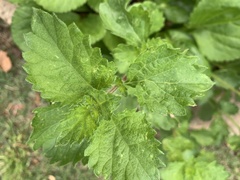 Lantana urticoides Texas lantana Photo: CC0, jeanhm
 Lantana depressa Pineland Lantana Photo: CC0, Vick
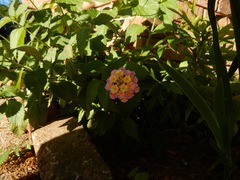 Lantana × strigocamara Red-sage Photo: CC BY, Daniel Patterson
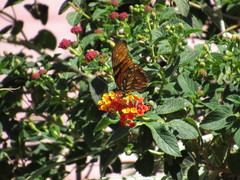 Lantana horrida Photo: CC BY-SA, Oscar Alejandro Morales Juárez
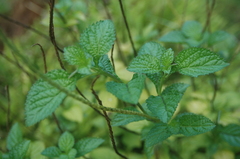 Stachytarpheta urticifolia Nettleleaf velvetberry Photo: CC0, 哈爸
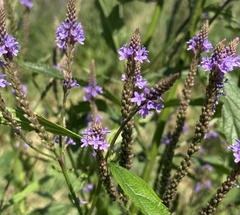 Verbena hastata American vervain Photo: CC0, karuquebec
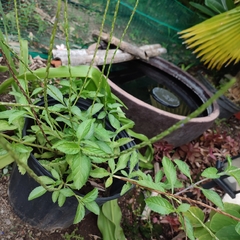 Stachytarpheta jamaicensis Jamaica vervain Photo: CC0, Sofie Meeus
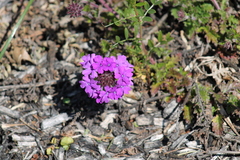 Glandularia canadensis Photo: CC BY, Dominic
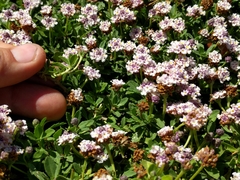 Phyla nodiflora Frogfruit Photo: CC BY, Ken-ichi Ueda
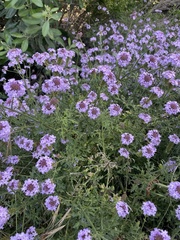 Glandularia lilacina Photo: CC BY, mel letterman
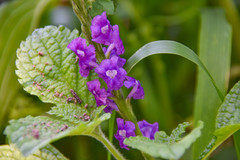 Stachytarpheta cayennensis Blue snakeweed Photo: CC BY, Jay Pruett
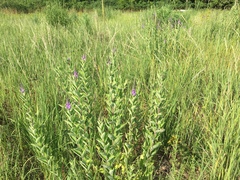 Verbena stricta Hoary vervain Photo: CC BY, Derek
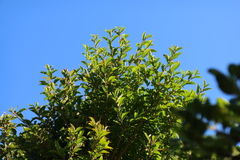 Citharexylum spinosum Spiny fiddlewood Photo: CC BY, Diana Studer
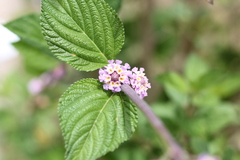 Lippia alba Bushy lippia Photo: CC BY, Larus
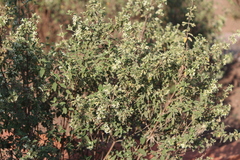 Lippia origanoides Mexican-sage Photo: CC BY, José Belem Hernández Díaz
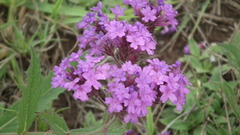 Verbena rigida Slender vervain Photo: CC BY, Shaun Swanepoel
 Aloysia virgata Sweet Almond Bush Photo: CC0, Adam Kranz
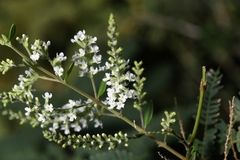 Aloysia gratissima Common bee-brush Photo: CC BY-SA, Mike Ostrowski
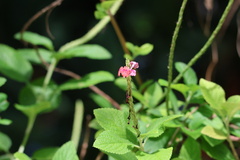 Stachytarpheta mutabilis Changeable velvetberry Photo: CC BY, Aitor
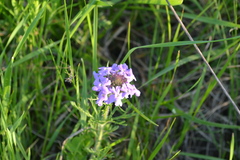 Glandularia bipinnatifida Dakota mock vervain Photo: CC0, Frances W
 Lantana velutina Velvet Lantana Photo: CC BY-SA, Douglas Goldman
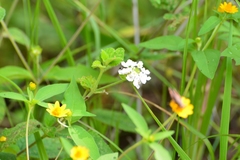 Lantana achyranthifolia Brushland Lantana Photo: CC BY, Neptalí Ramírez Marcial
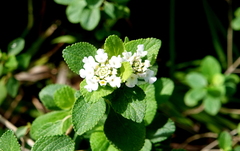 Lantana involucrata Buttonsage Photo: CC BY, Claire Herzog
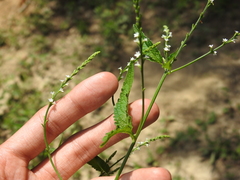 Verbena urticifolia White vervain Photo: CC0, Yann Kemper
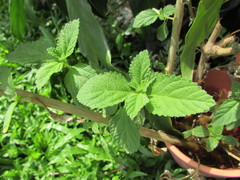 Lippia dulcis Aztec Sweet Herb Photo: CC BY, Guillermo J. Fadul R.
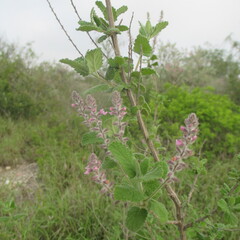 Aloysia macrostachya Purple Beebrush Photo: CC BY, Ricardo Jaimes-López
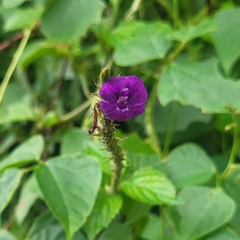 Stachytarpheta frantzii Purple porterweed Photo: CC0, Camille Boucher
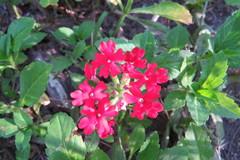 Glandularia tweedieana Photo: CC BY, Agustín Zarco
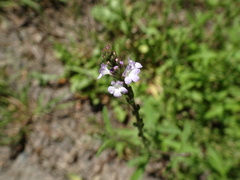 Verbena officinalis Vervain Photo: CC BY, Dietmar K. L. Moser
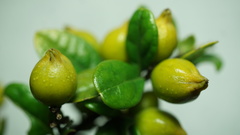 Duranta mutisii Photo: CC BY, Jairo Pinto
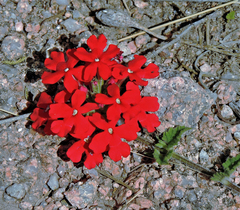 Glandularia peruviana Peruvian mock vervain Photo: CC0, Hugo Hulsberg
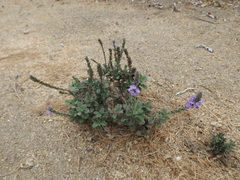 Verbena lasiostachys Western vervain Photo: CC BY, Amy
 Citharexylum berlandieri Berlandier's fiddlewood Photo: CC BY, Alexis López Hernández
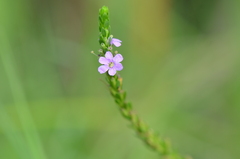 Verbena xutha Gulf vervain Photo: CC0, Center for Urban Ecology
 Citharexylum subflavescens Photo: CC BY, Carlos Alberto Rodriguez
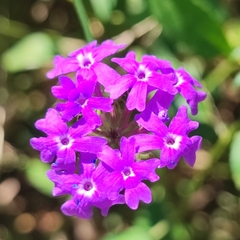 Glandularia aristigera Photo: CC BY, Thomaz Ricardo Favreto Sinani
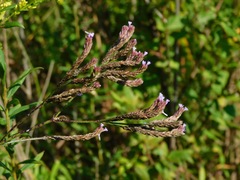 Verbena brasiliensis Brazilian vervain Photo: CC BY, Michael J. Papay
 Lippia micromera Spanish thyme Photo: CC BY, Forest and Kim Starr
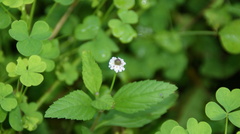 Phyla lanceolata Northern fogfruit Photo: CC BY, daksu
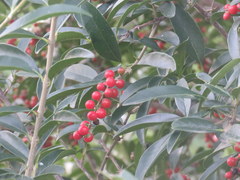 Citharexylum montevidense Photo: CC0, Diego Carús
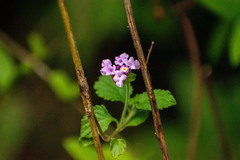 Lantana megapotamica Photo: CC BY, Ezequiel Racker
Grown: iNaturalist's observations of the species marked captive or cultivated; "not counted" where the species list does not count it. Native ranges: Kew's World Checklist of Vascular Plants (Govaerts et al., CC BY 4.0), file of 4 June 2026. Grown: iNaturalist's observations marked captive or cultivated, counted 17 October 2026 (the species list's count). Habitat climate known: the species page has a habitat climate, read from CHELSA's monthly climate and NASA POWER's daily extremes at its well-placed wild records inside Kew's native range; each page says its own sources and days. Record low: the lowest night in NASA POWER's daily series at the habitat's typical spot, as the species page gives it, held in °C to a tenth and shown in your units; each page says its own years and day read. Counts as the reference built on 19 November 2026 holds them. The CSV holds every result, not only this page's.