Anemone
37 species in the reference · family Ranunculaceae · 37 with a habitat climate · 35 grown, per iNaturalist, 2 not counted
About the genus
Anemone is a genus of flowering plants in the buttercup family Ranunculaceae. Plants of the genus are commonly called windflowers. They are native to the temperate and subtropical regions of all continents except Australia and Antarctica. The genus is closely related to several other genera including Anemonoides, Anemonastrum, Hepatica, and Pulsatilla. More on Wikipedia
Quoted from Wikipedia, "Anemone", its opening paragraph, revision 1383908249, read 2026-11-08, CC BY-SA 4.0.
Where Anemone is native
| France | 9 |
|---|---|
| Italy | 9 |
| Yugoslavia | 9 |
| Bulgaria | 7 |
| Albania | 6 |
| Austria | 6 |
| Greece | 6 |
| Spain | 6 |
| Transcaucasus | 6 |
| Turkey | 6 |
| Alberta | 5 |
| British Columbia | 5 |
Species native to each region. A species counts in every region it is native to. Native ranges: Kew's World Checklist of Vascular Plants (Govaerts et al., CC BY 4.0), file of 4 June 2026.
37 species
Anemone
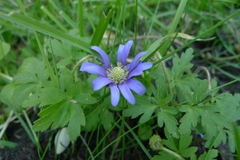 Anemone blanda Greek thimbleweed Photo: CC BY, aga_l_
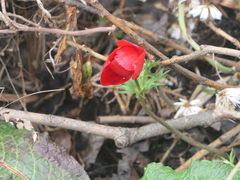 Anemone coronaria Poppy anemone Photo: CC BY, Pete Bradshaw
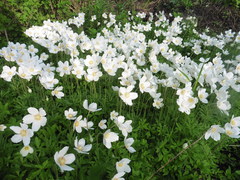 Anemone sylvestris Snowdrop anemone Photo: CC0, Силаева Татьяна Борисовна
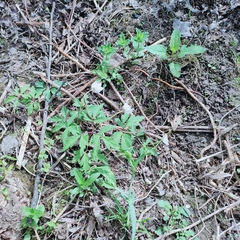 Anemone nemorosa Wood anemone Photo: CC BY, mikami-kun
 Anemone virginiana Tall anemone Photo: CC BY, Bonnie Semmling
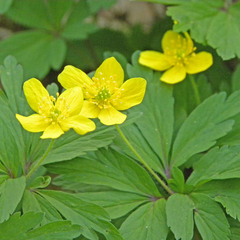 Anemone ranunculoides Yellow anemone Photo: CC BY, M. Whitson
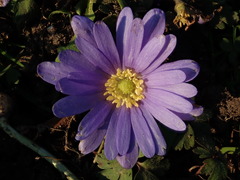 Anemone apennina Blue anemone Photo: CC BY, Daniel Cahen
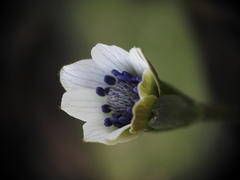 Anemone hortensis Broad-leaved anemone Photo: CC BY, Yves Bas
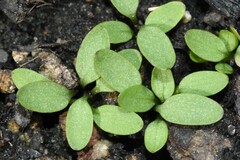 Anemone multifida Cut-leaf anemone Photo: CC BY, Gabriel Campbell-Martinez
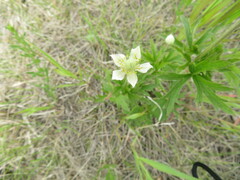 Anemone cylindrica Candle anemone Photo: CC0, dghjertaas
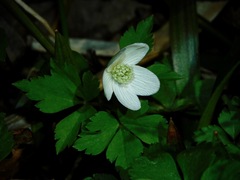 Anemone quinquefolia Wood anemone Photo: CC BY, Michael J. Papay
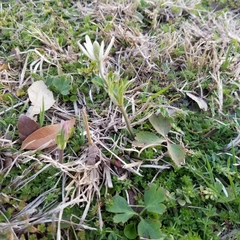 Anemone berlandieri Ten-petal anemone Photo: CC BY, Russell Pfau
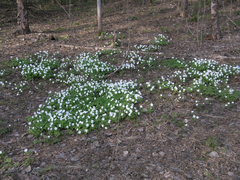 Anemone altaica Photo: CC BY, Oleg Kosterin
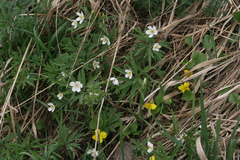 Anemone caerulea Photo: CC BY, Oleg Kosterin
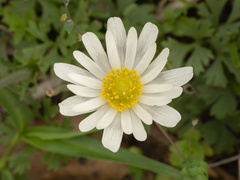 Anemone caroliniana Carolina anemone Photo: CC BY-SA, Turner Brockman
 Anemone oregana Oregon anemone Photo: CC BY, David Anderson
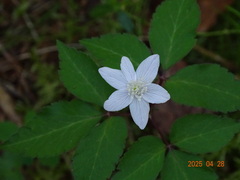 Anemone trifolia Photo: CC BY, Tim Leilich
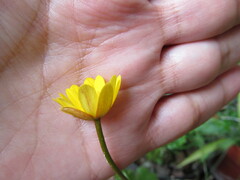 Anemone palmata Palmate Anemone Photo: CC BY, zebedeugalinha
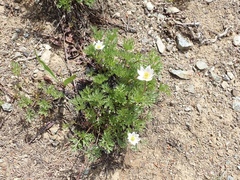 Anemone drummondii Drummond's anemone Photo: CC BY, John Brew
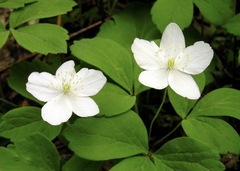 Anemone udensis Photo: CC BY, Dr. Alexey Yakovlev
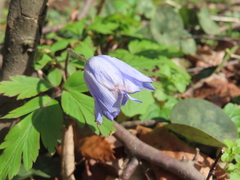 Anemone pseudoaltaica Chrysanthemum anemone Photo: CC BY, Timur Kalininsky
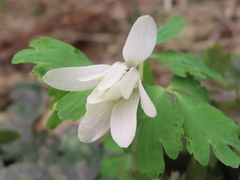 Anemone raddeana Many-sepal anemone Photo: CC BY, Timur Kalininsky
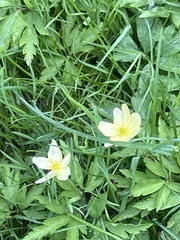 Anemone × lipsiensis Photo: CC BY, E. A.
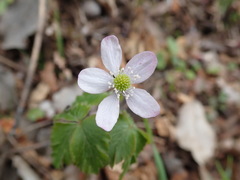 Anemone grayi Western windflower Photo: CC BY, joergmlpts
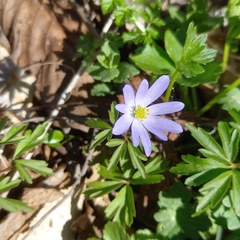 Anemone caucasica Photo: CC0, Matej Otruba
 Anemone uralensis Photo: CC BY, Эльмира
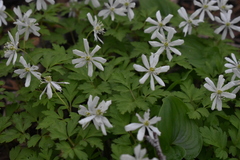 Anemone amurensis Amur anemone Photo: CC BY, Валерия Ковалева
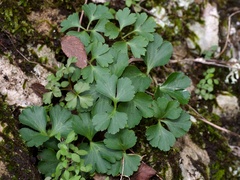 Anemone edwardsiana Edwards Plateau Anemone Photo: CC BY-SA, Turner Brockman
 Anemone tuberosa Desert anemone Photo: CC BY, Dawn Nelson
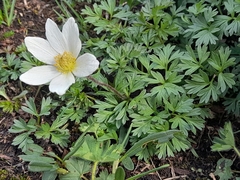 Anemone baldensis Photo: CC BY, Flavien Saboureau
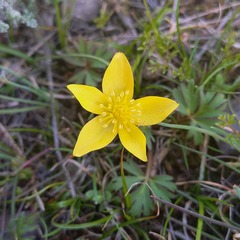 Anemone biflora Photo: CC BY, Alexander Dubynin
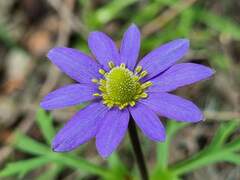 Anemone decapetala Southern Anemone Photo: CC BY, Cesar Ormazabal
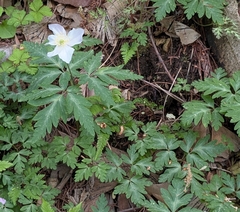 Anemone nikoensis Single-flower anemone Photo: CC BY, mami_t_t
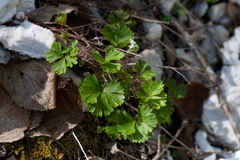 Anemone parviflora Small-flowered anemone Photo: CC BY-SA, bobkennedy
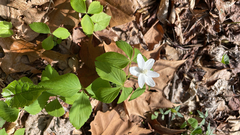 Anemone lancifolia Mountain thimbleweed Photo: CC BY, Brian Gratwicke
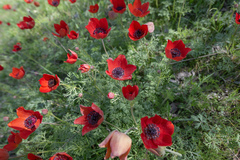 Anemone bucharica Photo: CC BY, Morten Ross
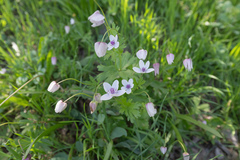 Anemone tschernaewii Turkistan Anemone Photo: CC BY, Morten Ross
Grown: iNaturalist's observations of the species marked captive or cultivated; "not counted" where the species list does not count it. Native ranges: Kew's World Checklist of Vascular Plants (Govaerts et al., CC BY 4.0), file of 4 June 2026. Grown: iNaturalist's observations marked captive or cultivated, counted 17 October 2026 (the species list's count). Habitat climate known: the species page has a habitat climate, read from CHELSA's monthly climate and NASA POWER's daily extremes at its well-placed wild records inside Kew's native range; each page says its own sources and days. Record low: the lowest night in NASA POWER's daily series at the habitat's typical spot, as the species page gives it, held in °C to a tenth and shown in your units; each page says its own years and day read. Counts as the reference built on 19 November 2026 holds them. The CSV holds every result, not only this page's.