Angelica
34 species in the reference · family Apiaceae · 33 with a habitat climate · 30 grown, per iNaturalist, 4 not counted
About the genus
Angelica is a genus of about 90 species of tall biennial and perennial herbs in the family Apiaceae, native to temperate and subarctic regions of the Northern Hemisphere, reaching as far north as Iceland, Sápmi, and Greenland. They grow to 1–3 m (3 ft 3 in – 9 ft 10 in) tall, with large bipinnate leaves and large compound umbels of white or greenish-white flowers. It shows variations in fruit anatomy, leaf morphology, and subterranean structures. The genes are extremely polymorphic.
Quoted from Wikipedia, "Angelica", its opening paragraph, revision 1376251166, read 2026-11-08, CC BY-SA 4.0.
Where Angelica is native
| Japan | 10 |
|---|---|
| California | 9 |
| Inner Mongolia | 6 |
| Korea | 6 |
| Manchuria | 6 |
| Oregon | 6 |
| Primorye | 5 |
| Taiwan | 5 |
| France | 4 |
| Khabarovsk | 4 |
| Mongolia | 4 |
| Nevada | 4 |
Species native to each region. A species counts in every region it is native to. Native ranges: Kew's World Checklist of Vascular Plants (Govaerts et al., CC BY 4.0), file of 4 June 2026.
34 species
Angelica
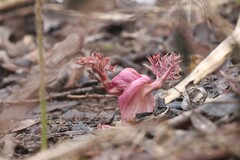 Angelica archangelica Garden angelica Photo: CC BY, Константин Селивёрстов
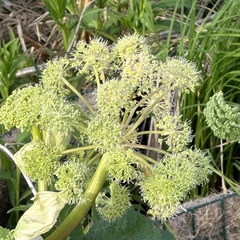 Angelica atropurpurea Great angelica Photo: CC0, wilderbombyx
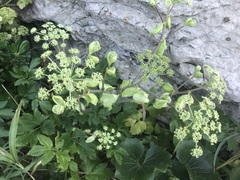 Angelica keiskei Photo: CC BY, Marco Mussita
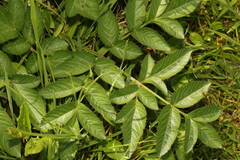 Angelica sylvestris Wild angelica Photo: CC0, Stephen James McWilliam
 Angelica gigas Korean angelica Photo: CC BY, Ulf Eliasson
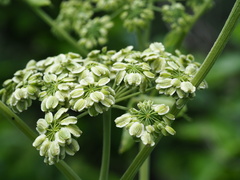 Angelica dahurica Dahurian angelica Photo: CC0, 葉子
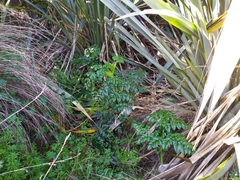 Angelica pachycarpa Portuguese Angelica Photo: CC BY, Paul Bell-Butler
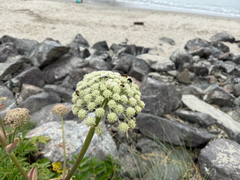 Angelica hendersonii Henderson's angelica Photo: CC BY, Jared Lincenberg
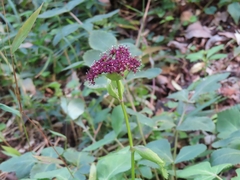 Angelica decursiva Photo: CC BY, mami_t_t
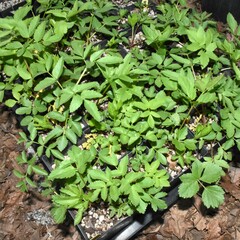 Angelica arguta Sharp-toothed angelica Photo: CC BY, Gabriel Campbell-Martinez
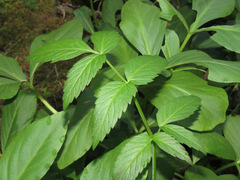 Angelica genuflexa Kneeling angelica Photo: CC0, Erin Springinotic
 Angelica acutiloba Acutelobed Angelica Photo: Public domain, Pieria (Uploader and Photographer)
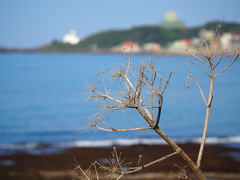 Angelica hirsutiflora Photo: CC0, 葉子
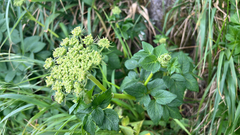 Angelica lucida Seacoast angelica Photo: CC0, Alan Weakley
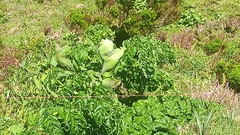 Angelica lignescens Azorean Angelica Photo: CC0, steve b
 Angelica sinensis Chinese angelica Photo: CC BY, François Nguyen
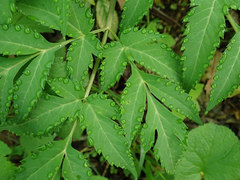 Angelica triquinata Filmy angelica Photo: CC BY, Evan M. Raskin
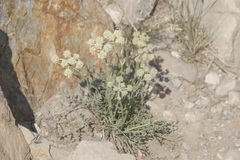 Angelica capitellata Button parsley Photo: CC0, Diego Blanco
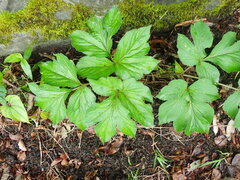 Angelica pubescens Pubescent angelica Photo: CC BY, 村山史世 (Fumiyo MURAYAMA)
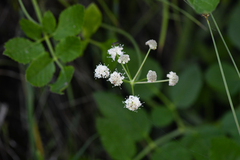 Angelica tomentosa Woolly angelica Photo: CC BY, Trevor Van Loon
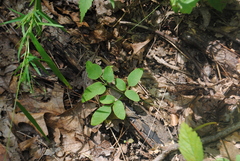 Angelica venenosa Hairy angelica Photo: CC BY, Zihao Wang
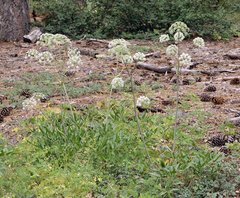 Angelica breweri Brewer's angelica Photo: CC BY, Steve Matson
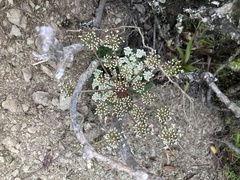 Angelica morii Photo: CC BY, 謝鈞諭
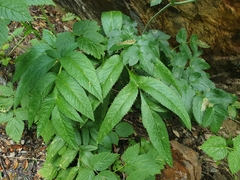 Angelica razulii Photo: CC BY, Clément Maouche
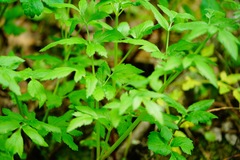 Angelica californica California angelica Photo: CC BY, Michael Warner
 Angelica lineariloba Poison angelica Photo: CC BY, Jim Morefield
- no open photograph on file Angelica anomala Eumenol angelica
 Angelica cincta Amur angelica Photo: CC BY, Repina Tatyana
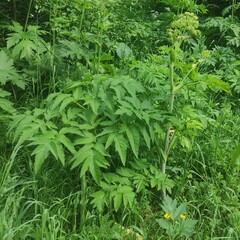 Angelica decurrens Photo: CC BY, Sergey Basalaev
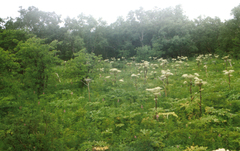 Angelica ursina Ezo Angelica Photo: CC BY, Oleg Kosterin
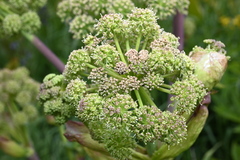 Angelica ampla Giant angelica Photo: CC BY, Anders Hastings
- no open photograph on file Angelica glauca Smooth angelica
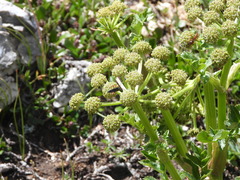 Angelica grayi Gray's angelica Photo: CC BY, Jared Shorma
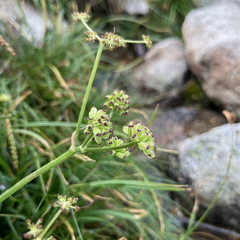 Angelica pyrenaea Photo: CC BY-SA, Fabien Anthelme
Grown: iNaturalist's observations of the species marked captive or cultivated; "not counted" where the species list does not count it. Native ranges: Kew's World Checklist of Vascular Plants (Govaerts et al., CC BY 4.0), file of 4 June 2026. Grown: iNaturalist's observations marked captive or cultivated, counted 17 October 2026 (the species list's count). Habitat climate known: the species page has a habitat climate, read from CHELSA's monthly climate and NASA POWER's daily extremes at its well-placed wild records inside Kew's native range; each page says its own sources and days. Record low: the lowest night in NASA POWER's daily series at the habitat's typical spot, as the species page gives it, held in °C to a tenth and shown in your units; each page says its own years and day read. Counts as the reference built on 19 November 2026 holds them. The CSV holds every result, not only this page's.