Brachyglottis
14 species in the reference · family Asteraceae · 13 with a habitat climate · 13 grown, per iNaturalist, 1 not counted
About the genus
Brachyglottis is a genus of flowering plants in the family Asteraceae. The genus was erected on November 29, 1775, by Johann Reinhold Forster and Georg Forster. The name was derived from the Greek brachus ("short")…
Quoted from Wikipedia, "Brachyglottis", its opening paragraph, revision 1354834735, read 2026-11-08, CC BY-SA 4.0.
Where Brachyglottis is native
| New Zealand South | 11 |
|---|---|
| New Zealand North | 8 |
| Chatham Is. | 2 |
Species native to each region. A species counts in every region it is native to. Native ranges: Kew's World Checklist of Vascular Plants (Govaerts et al., CC BY 4.0), file of 4 June 2026.
14 species
Brachyglottis
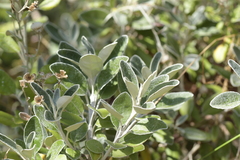 Brachyglottis greyi Photo: CC BY-SA, Christopher Stephens
Brachyglottis repanda Hedge ragwort Photo: CC BY-SA, Colin Meurk
 Brachyglottis monroi Monro's Ragwort Photo: CC BY, John Steel
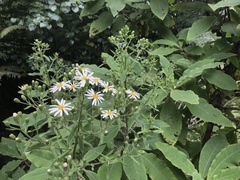 Brachyglottis hectorii Photo: CC BY, Tim Park
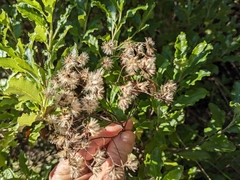 Brachyglottis perdicioides Photo: CC BY, Dave Evans
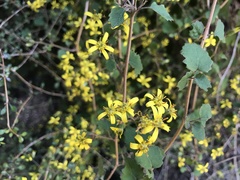 Brachyglottis sciadophila Photo: CC BY, Tim Park
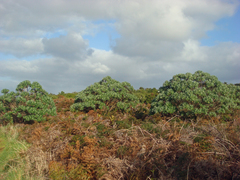 Brachyglottis huntii Chatham Island Christmas Tree Photo: CC0, Peter de Lange
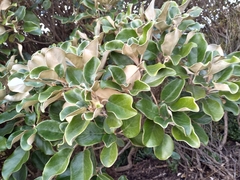 Brachyglottis rotundifolia Muttonbird scrub Photo: CC BY, Shaun
Brachyglottis compacta Photo: CC BY-SA, Colin Meurk
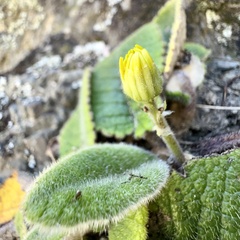 Brachyglottis lagopus Photo: CC BY, Tom Beard
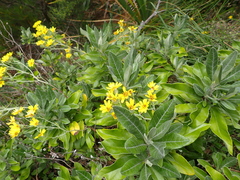 Brachyglottis laxifolia Photo: CC BY-SA, Jacob Littlejohn
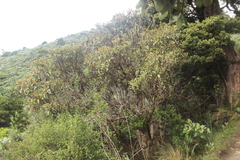 Brachyglottis elaeagnifolia Photo: CC BY, Joe Dillon
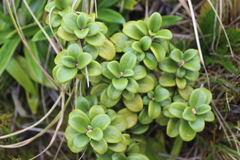 Brachyglottis bidwillii Photo: CC BY, Joe Dillon
 Brachyglottis cassinioides Photo: CC BY, John Barkla
Grown: iNaturalist's observations of the species marked captive or cultivated; "not counted" where the species list does not count it. Native ranges: Kew's World Checklist of Vascular Plants (Govaerts et al., CC BY 4.0), file of 4 June 2026. Grown: iNaturalist's observations marked captive or cultivated, counted 17 October 2026 (the species list's count). Habitat climate known: the species page has a habitat climate, read from CHELSA's monthly climate and NASA POWER's daily extremes at its well-placed wild records inside Kew's native range; each page says its own sources and days. Record low: the lowest night in NASA POWER's daily series at the habitat's typical spot, as the species page gives it, held in °C to a tenth and shown in your units; each page says its own years and day read. Counts as the reference built on 19 November 2026 holds them. The CSV holds every result, not only this page's.