Asteraceae
3,257 species in 645 genera · 3,038 with a habitat climate · 2,911 grown, per iNaturalist, 346 not counted
Most native to: Texas 410Mexico Northeast 394Italy 393France 381Yugoslavia 371Cape Provinces 360Mexico Northwest 350Spain 348California 334Georgia 307North Carolina 298Turkey 298
A species counts in every region it is native to. Native ranges: Kew's World Checklist of Vascular Plants (Govaerts et al., CC BY 4.0), file of 4 June 2026.
3,257 species
Asteraceae
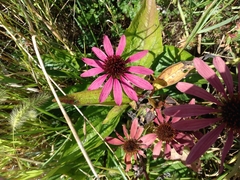 Echinacea purpurea Eastern purple coneflower Photo: CC0, juniem
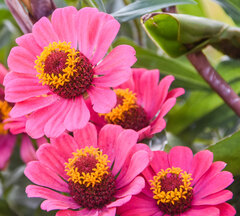 Zinnia elegans Youth-and-age Photo: CC BY, Jay Pruett
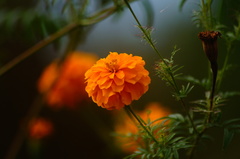 Tagetes erecta African marigold Photo: CC BY, Carlos Domínguez-Rodríguez
 Dahlia pinnata Pinnate dahlia Photo: CC BY-SA, Oscar Alejandro Morales Juárez
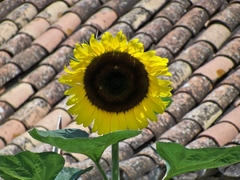 Helianthus annuus Sunflower Photo: CC BY-SA, Daniel Capilla
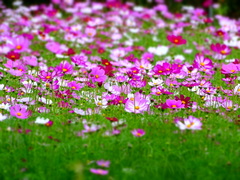 Cosmos bipinnatus Garden cosmos Photo: CC0, 葉子
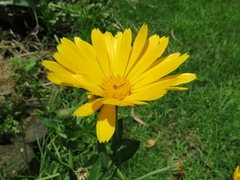 Calendula officinalis Pot marigold Photo: CC BY, Juan Carlos Caicedo Hernández
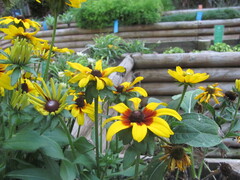 Rudbeckia hirta Black-eyed Susan Photo: CC BY, zebedeugalinha
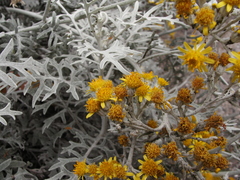 Jacobaea maritima Silver ragwort Photo: CC BY, portioid
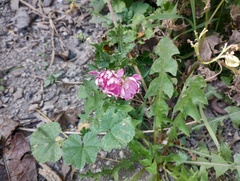 Chrysanthemum × morifolium Photo: CC BY, Carlos Domínguez-Rodríguez
 Lactuca sativa Garden lettuce Photo: CC0, Yann Kemper
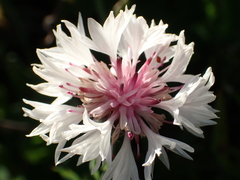 Centaurea cyanus Cornflower Photo: CC0, 葉子
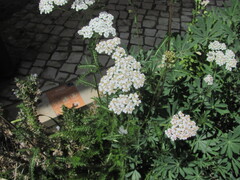 Achillea millefolium Yarrow Photo: CC BY, zebedeugalinha
 Achillea filipendulina Fern-leaf yarrow Photo: CC BY, Matt Muir
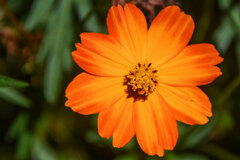 Cosmos sulphureus Sulphur cosmos Photo: CC BY, Jay Pruett
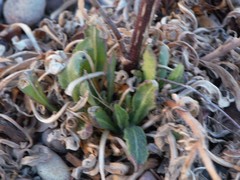 Gaillardia pulchella Firewheel Photo: CC BY, Elliott Gordon
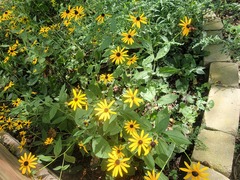 Rudbeckia fulgida Perennial coneflower Photo: CC BY, johnyochum
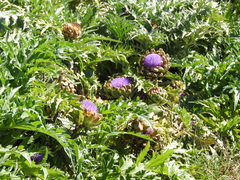 Cynara cardunculus Cardoon Photo: CC BY-SA, Oscar Alejandro Morales Juárez
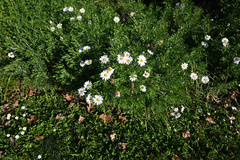 Argyranthemum frutescens Paris daisy Photo: CC BY, Jon Sullivan
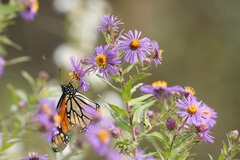 Symphyotrichum novae-angliae Hairy Michaelmas daisy Photo: CC0, Glenn Berry
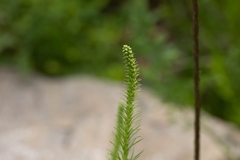 Liatris spicata Dense blazing star Photo: CC BY, Kalvin Chan
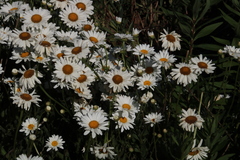 Leucanthemum maximum Shasta daisy Photo: CC BY-SA, Tony Rebelo
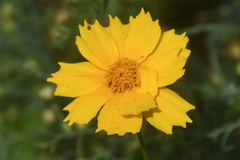 Coreopsis lanceolata Lanceleaf tickseed Photo: CC BY, Jay Pruett
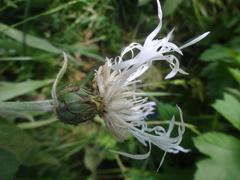 Centaurea montana Perennial cornflower Photo: CC BY, Ben Costamagna
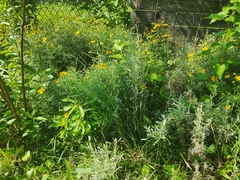 Anacis verticillata Whorled tickseed Photo: CC BY, Kaden Slone
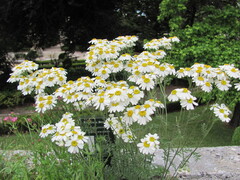 Tanacetum parthenium Feverfew Photo: CC BY, zebedeugalinha
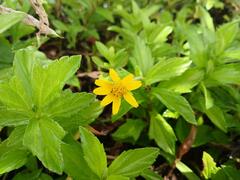 Sphagneticola trilobata Bay Biscayne creeping-oxeye Photo: CC BY-SA, Foo Chuan Wei
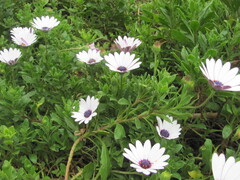 Dimorphotheca ecklonis Vanstaden's river daisy Photo: CC BY, zebedeugalinha
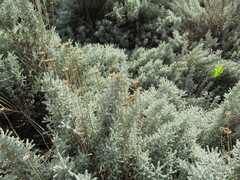 Santolina chamaecyparissus Lavender cotton Photo: CC BY, zebedeugalinha
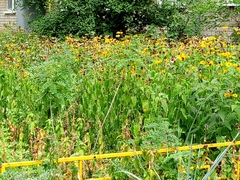 Heliopsis helianthoides Rough oxeye Photo: CC0, Татьяна Горбушина
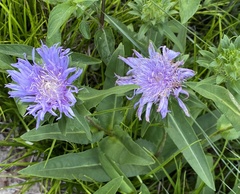 Stokesia laevis Stokesia Photo: CC0, Anne P
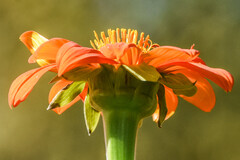 Tithonia rotundifolia Mexican sunflower Photo: CC BY, Jay Pruett
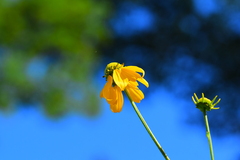 Rudbeckia laciniata Coneflower Photo: CC BY, Bernie Paquette
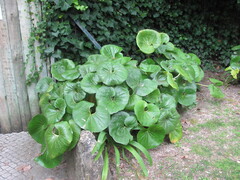 Farfugium japonicum Leopard plant Photo: CC BY, zebedeugalinha
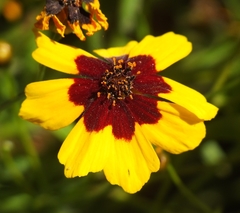 Coreopsis tinctoria Garden tickseed Photo: CC BY, Иван Пристрем
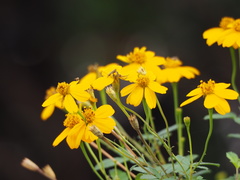 Tagetes lemmonii Lemmon's marigold Photo: CC0, 葉子
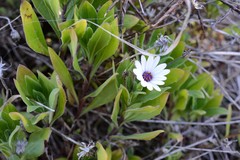 Dimorphotheca fruticosa Photo: CC BY, Jon Sullivan
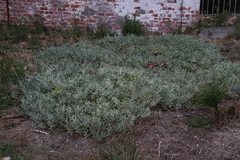 Gazania rigens Treasure flower Photo: CC BY-SA, Tony Rebelo
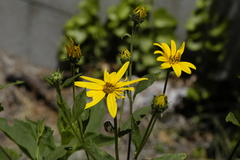 Helianthus tuberosus Jerusalem artichoke Photo: CC BY, Elliott Gordon
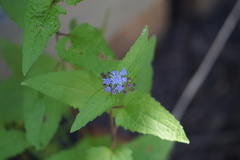 Conoclinium coelestinum Blue mistflower Photo: CC BY, stephen
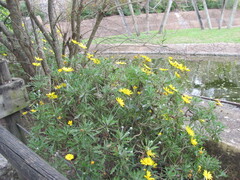 Euryops pectinatus Gray-leaf euryops Photo: CC BY, zebedeugalinha
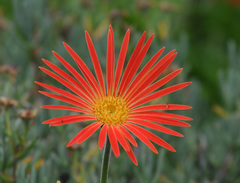 Gerbera jamesonii Barberton daisy Photo: CC BY, Todd Boland
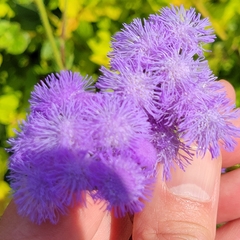 Ageratum houstonianum Bluemink Photo: CC BY, Matt Pelikan
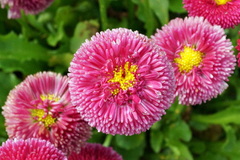 Bellis perennis Lawn daisy Photo: CC BY-SA, dr.scott.mills
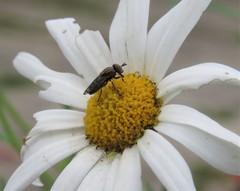 Leucanthemum vulgare Oxeye daisy Photo: CC BY, Juan Carlos Caicedo Hernández
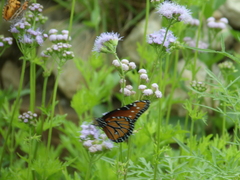 Conoclinium dissectum Palmleaf thoroughwort Photo: CC0, Karen Wilson
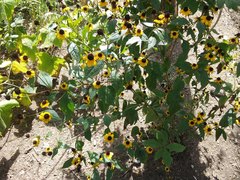 Rudbeckia triloba Brown-eyed-Susan Photo: CC0, Ira Gershenhorn
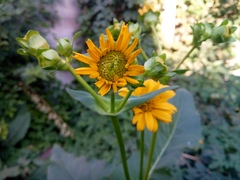 Silphium perfoliatum Cup plant Photo: CC0, Svitlana Kyiak
Grown: iNaturalist's observations of the species marked captive or cultivated; "not counted" where the species list does not count it. Native ranges: Kew's World Checklist of Vascular Plants (Govaerts et al., CC BY 4.0), file of 4 June 2026. Grown: iNaturalist's observations marked captive or cultivated, counted 17 October 2026 (the species list's count). Habitat climate known: the species page has a habitat climate, read from CHELSA's monthly climate and NASA POWER's daily extremes at its well-placed wild records inside Kew's native range; each page says its own sources and days. Record low: the lowest night in NASA POWER's daily series at the habitat's typical spot, as the species page gives it, held in °C to a tenth and shown in your units; each page says its own years and day read. Counts as the reference built on 19 November 2026 holds them. The CSV holds every result, not only this page's.