Callisia
10 species in the reference · family Commelinaceae · 10 with a habitat climate · 10 grown, per iNaturalist
About the genus
Callisia is a genus of flowering plants in the spiderwort family, Commelinaceae. Members of the genus are commonly known as roselings. It is native to the Americas from the southern United States to Argentina. The generic name is derived from the Greek word κάλλος (kallos), meaning "beauty."
Quoted from Wikipedia, "Callisia", its opening paragraph, revision 1382295895, read 2026-11-08, CC BY-SA 4.0.
Where Callisia is native
| Mexico Gulf | 5 |
|---|---|
| Mexico Northeast | 5 |
| Mexico Southeast | 5 |
| Mexico Southwest | 5 |
| Guatemala | 4 |
| Mexico Central | 4 |
| Belize | 3 |
| Honduras | 3 |
| Bolivia | 2 |
| Colombia | 2 |
| Ecuador | 2 |
| Florida | 2 |
Species native to each region. A species counts in every region it is native to. Native ranges: Kew's World Checklist of Vascular Plants (Govaerts et al., CC BY 4.0), file of 4 June 2026.
10 species
Callisia
 Callisia fragrans Basketplant Photo: CC BY-SA, Ong Jyh Seng
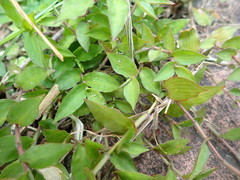 Callisia repens Creeping Inch Plant Photo: CC BY, 高山田鼠
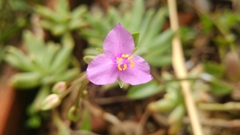 Callisia navicularis Chain-plant Photo: CC BY, Liliana Ramírez-Freire
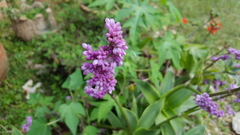 Callisia warszewicziana Photo: CC BY-SA, alessandradalia
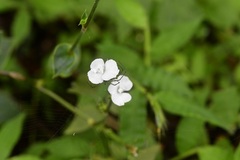 Callisia gentlei Photo: CC BY, Neptalí Ramírez Marcial
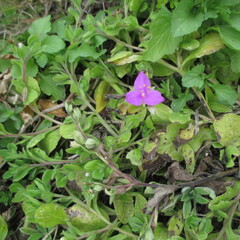 Callisia micrantha Littleflower roseling Photo: CC BY, Ricardo Jaimes-López
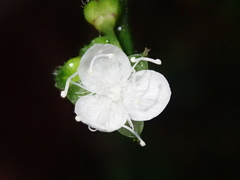 Callisia gracilis Slender callisia Photo: CC BY, Nolan Exe
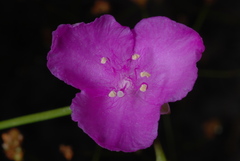 Callisia graminea Grassleaf roseling Photo: CC BY-SA, Douglas Goldman
 Callisia ornata Florida scrub roseling Photo: CC BY-SA, James (Jim) Duggan
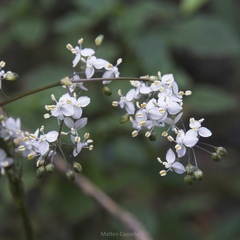 Callisia multiflora Photo: CC BY-SA, Matteo Cassella
Grown: iNaturalist's observations of the species marked captive or cultivated; "not counted" where the species list does not count it. Native ranges: Kew's World Checklist of Vascular Plants (Govaerts et al., CC BY 4.0), file of 4 June 2026. Grown: iNaturalist's observations marked captive or cultivated, counted 17 October 2026 (the species list's count). Habitat climate known: the species page has a habitat climate, read from CHELSA's monthly climate and NASA POWER's daily extremes at its well-placed wild records inside Kew's native range; each page says its own sources and days. Record low: the lowest night in NASA POWER's daily series at the habitat's typical spot, as the species page gives it, held in °C to a tenth and shown in your units; each page says its own years and day read. Counts as the reference built on 19 November 2026 holds them. The CSV holds every result, not only this page's.