Caltha
6 species in the reference · family Ranunculaceae · 6 with a habitat climate · 4 grown, per iNaturalist, 2 not counted
About the genus
Caltha is a genus of rhizomatous perennial flowering plants in the family Ranunculaceae ("buttercup family"), to which ten species have been assigned. They occur in moist environments in temperate and cold regions of both the Northern and Southern Hemispheres. Their leaves are generally heart-shaped or kidney-shaped, or are characteristically diplophyllous (the auricles of the leaf blades form distinctly inflexed appendages). Flowers are star shaped and mostly yellow to white. More on Wikipedia
Quoted from Wikipedia, "Caltha", its opening paragraph, revision 1354822998, read 2026-11-08, CC BY-SA 4.0.
Where Caltha is native
| Alaska | 3 |
|---|---|
| British Columbia | 3 |
| Oregon | 3 |
| Washington | 3 |
| Afghanistan | 2 |
| Alberta | 2 |
| California | 2 |
| East Himalaya | 2 |
| Iran | 2 |
| Pakistan | 2 |
| West Himalaya | 2 |
| Yukon | 2 |
Species native to each region. A species counts in every region it is native to. Native ranges: Kew's World Checklist of Vascular Plants (Govaerts et al., CC BY 4.0), file of 4 June 2026.
6 species
Caltha
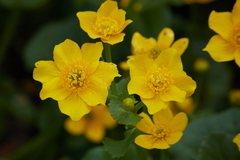 Caltha palustris Marsh-marigold Photo: CC0, Lauren N
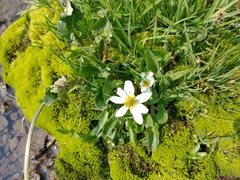 Caltha leptosepala Slender-sepal marsh marigold Photo: CC0, Drew Meyer
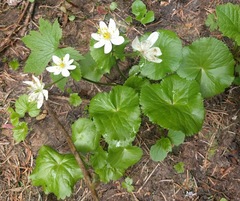 Caltha biflora Broad-leaved marsh marigold Photo: CC BY-SA, J Brew
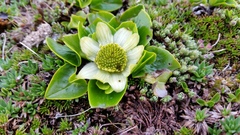 Caltha sagittata Arrow-leaved Marigold Photo: CC BY, Andrew Thornhill
 Caltha alba White Marsh Marigold Photo: CC BY, Sindhu Haridas
 Caltha obtusa White Caltha Photo: CC BY, John Steel
Grown: iNaturalist's observations of the species marked captive or cultivated; "not counted" where the species list does not count it. Native ranges: Kew's World Checklist of Vascular Plants (Govaerts et al., CC BY 4.0), file of 4 June 2026. Grown: iNaturalist's observations marked captive or cultivated, counted 17 October 2026 (the species list's count). Habitat climate known: the species page has a habitat climate, read from CHELSA's monthly climate and NASA POWER's daily extremes at its well-placed wild records inside Kew's native range; each page says its own sources and days. Record low: the lowest night in NASA POWER's daily series at the habitat's typical spot, as the species page gives it, held in °C to a tenth and shown in your units; each page says its own years and day read. Counts as the reference built on 19 November 2026 holds them. The CSV holds every result, not only this page's.