Commiphora
182 species in the reference · family Burseraceae · 62 with a habitat climate · 21 grown, per iNaturalist, 161 not counted
About the genus
Commiphora is the most species-rich genus of flowering plants in the frankincense and myrrh family, Burseraceae. The genus contains approximately 190 species of shrubs and trees, which are distributed throughout the (sub-) tropical regions of Africa, the western Indian Ocean islands, the Arabian Peninsula, India, and South America. The genus is drought-tolerant and common throughout the xerophytic scrub, seasonally dry tropical forests, and woodlands of these regions.
Quoted from Wikipedia, "Commiphora", its opening paragraph, revision 1368823333, read 2026-11-08, CC BY-SA 4.0.
Where Commiphora is native
| Somalia | 53 |
|---|---|
| Ethiopia | 41 |
| Namibia | 41 |
| Kenya | 36 |
| Madagascar | 33 |
| Tanzania | 32 |
| Angola | 20 |
| Mozambique | 18 |
| Zimbabwe | 15 |
| Northern Provinces | 14 |
| Botswana | 13 |
| Zambia | 13 |
Species native to each region. A species counts in every region it is native to. Native ranges: Kew's World Checklist of Vascular Plants (Govaerts et al., CC BY 4.0), file of 4 June 2026.
182 species
Commiphora
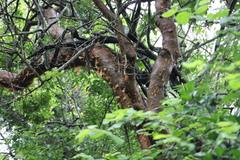 Commiphora harveyi Copper-stem Corkwood Photo: CC BY-SA, Suvarna Parbhoo Mohan
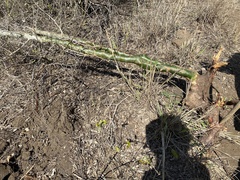 Commiphora neglecta Green Corkwood Photo: CC BY, Sunčana Bradley
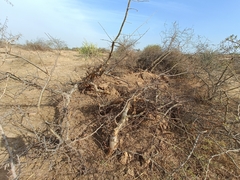 Commiphora wightii Indian bdellium-tree Photo: CC BY, Malaika Mathew Chawla
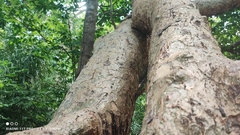 Commiphora leptophloeos Photo: CC BY, Thomaz Ricardo Favreto Sinani
 Commiphora marlothii Paper Tree Photo: CC BY, Wynand Uys
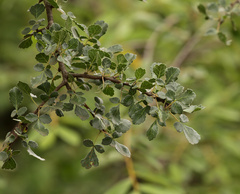 Commiphora africana Hairy Corkwood Photo: CC BY, Wynand Uys
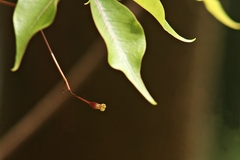 Commiphora caudata Hill-mango Photo: CC BY-SA, deepachandran
- no open photograph on file Commiphora myrrha African myrrh
 Commiphora glandulosa Common Commiphora Photo: CC BY, Wynand Uys
Commiphora kataf Bisabol myrrh Photo: CC BY-SA, HENRY NJUGUNA
- no open photograph on file Commiphora kraeuseliana Feather-Leaved Corkwood
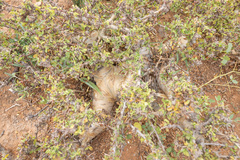 Commiphora kua Abyssinian myrrh Photo: CC BY, Morten Ross
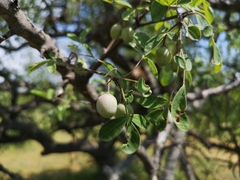 Commiphora mollis Soft-Leaved Commiphora Photo: CC BY, Jens-Christian Svenning
 Commiphora monstruosa Photo: CC BY, avocat
- no open photograph on file Commiphora pervilleana
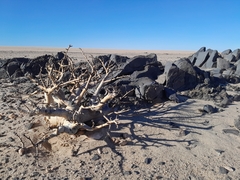 Commiphora saxicola Rock Commiphora Photo: CC0, Nogga_Eugene
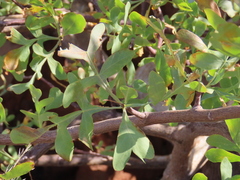 Commiphora wildii Oak-Leaved Commiphora Photo: CC0, dune_ninja
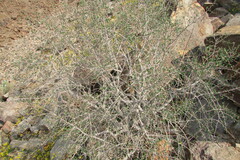 Commiphora capensis Namaqua Commiphora Photo: CC BY-SA, James Deacon
 Commiphora gileadensis Mecca myrrh Photo: CC BY-SA, Krzysztof Ziarnek, Kenraiz
 Commiphora simplicifolia Photo: CC BY-SA, Packa
 Commiphora edulis Rough-leaved Corkwood Photo: CC BY-SA, SAplants
- no open photograph on file Commiphora acuminata
- no open photograph on file Commiphora alata
- no open photograph on file Commiphora alaticaulis
 Commiphora anacardiifolia Large-Leaved Commiphora Photo: CC BY-SA, SAplants
- no open photograph on file Commiphora andranovoryensis
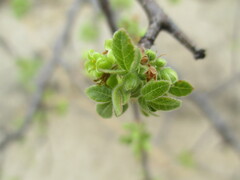 Commiphora angolensis Sand Commiphora Photo: CC0, dune_ninja
- no open photograph on file Commiphora angustifoliolata
- no open photograph on file Commiphora ankaranensis
- no open photograph on file Commiphora antunesii
 Commiphora aprevalii Photo: CC BY-SA, Willyteatime
- no open photograph on file Commiphora arafy
- no open photograph on file Commiphora arenaria
Commiphora baluensis Photo: CC BY-SA, Susan Brown
- no open photograph on file Commiphora benguelensis
- no open photograph on file Commiphora berardellii
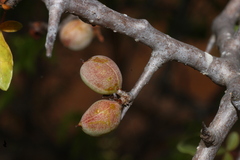 Commiphora berryi Indian Balm of Gilead Photo: CC0, Aruna Gamuz
- no open photograph on file Commiphora boranensis
- no open photograph on file Commiphora brevicalyx
- no open photograph on file Commiphora buruxa
- no open photograph on file Commiphora caerulea Blue-Barked Commiphora
 Commiphora campestris Photo: CC BY, Elliot Greiner
- no open photograph on file Commiphora capuronii
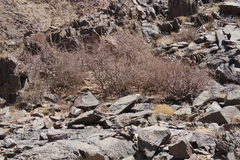 Commiphora cervifolia Antler Corkwood Photo: CC0, dune_ninja
- no open photograph on file Commiphora chaetocarpa
- no open photograph on file Commiphora chevalieri
- no open photograph on file Commiphora chiovendana
- no open photograph on file Commiphora ciliata
Grown: iNaturalist's observations of the species marked captive or cultivated; "not counted" where the species list does not count it. Native ranges: Kew's World Checklist of Vascular Plants (Govaerts et al., CC BY 4.0), file of 4 June 2026. Grown: iNaturalist's observations marked captive or cultivated, counted 17 October 2026 (the species list's count). Habitat climate known: the species page has a habitat climate, read from CHELSA's monthly climate and NASA POWER's daily extremes at its well-placed wild records inside Kew's native range; each page says its own sources and days. Record low: the lowest night in NASA POWER's daily series at the habitat's typical spot, as the species page gives it, held in °C to a tenth and shown in your units; each page says its own years and day read. Counts as the reference built on 19 November 2026 holds them. The CSV holds every result, not only this page's.