Corylus
13 species in the reference · family Betulaceae · 8 with a habitat climate · 12 grown, per iNaturalist, 1 not counted
About the genus
Hazels are plants of the genus Corylus of deciduous trees and large shrubs native to the temperate Northern Hemisphere. The genus is usually placed in the birch family, Betulaceae, though some botanists split the hazels (with the hornbeams and allied genera) into a separate family Corylaceae. The fruit of the hazel is the hazelnut; the trees are also grown as ornaments in hedges or gardens.
Quoted from Wikipedia, "Hazel", its opening paragraph, revision 1384284623, read 2026-11-08, CC BY-SA 4.0.
Where Corylus is native
| China South-Central | 5 |
|---|---|
| Inner Mongolia | 4 |
| China North-Central | 3 |
| Transcaucasus | 3 |
| Yugoslavia | 3 |
| Alabama | 2 |
| Albania | 2 |
| Amur | 2 |
| Bulgaria | 2 |
| China Southeast | 2 |
| Chita | 2 |
| Connecticut | 2 |
Species native to each region. A species counts in every region it is native to. Native ranges: Kew's World Checklist of Vascular Plants (Govaerts et al., CC BY 4.0), file of 4 June 2026.
13 species
Corylus
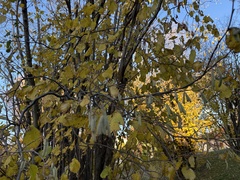 Corylus avellana Hazel Photo: CC0, Charles Joynson
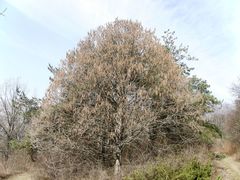 Corylus colurna Turkish hazel Photo: CC BY, Oleksandr Shynder
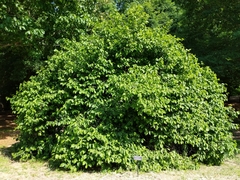 Corylus americana American hazelnut Photo: CC BY, Rob John
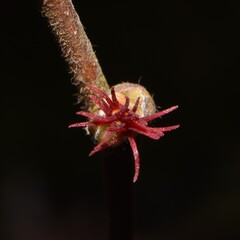 Corylus cornuta Beaked hazel Photo: CC BY, Gabriel Campbell-Martinez
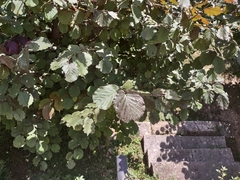 Corylus maxima Filbert Photo: CC0, Kimberley H. Gibson
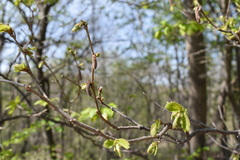 Corylus heterophylla Siberian filbert Photo: CC BY, Repina Tatyana
 Corylus fargesii Photo: CC BY, Tie Guy II on Flickr
 Corylus sieboldiana Japanese hazel Photo: CC BY, Kim, Hyun-tae
- no open photograph on file Corylus × colurnoides
 Corylus chinensis Chinese Hazlenut Photo: CC BY, Jean-Pol GRANDMONT
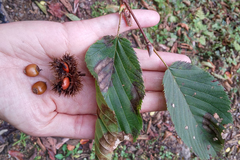 Corylus ferox Himalayan hazel Photo: CC BY, Kristof & Yulia
 Corylus jacquemontii Indian Tree Hazel Photo: CC BY-SA, Dinesh Valke
 Corylus yunnanensis Yunnan Hazel Photo: CC0, Daderot
Grown: iNaturalist's observations of the species marked captive or cultivated; "not counted" where the species list does not count it. Native ranges: Kew's World Checklist of Vascular Plants (Govaerts et al., CC BY 4.0), file of 4 June 2026. Grown: iNaturalist's observations marked captive or cultivated, counted 17 October 2026 (the species list's count). Habitat climate known: the species page has a habitat climate, read from CHELSA's monthly climate and NASA POWER's daily extremes at its well-placed wild records inside Kew's native range; each page says its own sources and days. Record low: the lowest night in NASA POWER's daily series at the habitat's typical spot, as the species page gives it, held in °C to a tenth and shown in your units; each page says its own years and day read. Counts as the reference built on 19 November 2026 holds them. The CSV holds every result, not only this page's.