Helichrysum
56 species in the reference · family Asteraceae · 46 with a habitat climate · 48 grown, per iNaturalist, 8 not counted
About the genus
The genus Helichrysum consists of an estimated 600 species of flowering plants in the sunflower family (Asteraceae). The type species is Helichrysum orientale. They often go by the names everlasting, immortelle, and strawflower. The name is derived from the Ancient Greek words ἥλιος (helios, sun) and χρῡσός (chrysos, gold).
Quoted from Wikipedia, "Helichrysum", its opening paragraph, revision 1383705181, read 2026-11-08, CC BY-SA 4.0.
Where Helichrysum is native
| Cape Provinces | 30 |
|---|---|
| KwaZulu-Natal | 24 |
| Lesotho | 22 |
| Free State | 19 |
| Northern Provinces | 10 |
| Mozambique | 8 |
| Angola | 7 |
| Greece | 7 |
| Swaziland | 7 |
| Turkey | 7 |
| Zimbabwe | 7 |
| Zambia | 6 |
Species native to each region. A species counts in every region it is native to. Native ranges: Kew's World Checklist of Vascular Plants (Govaerts et al., CC BY 4.0), file of 4 June 2026.
56 species
Helichrysum
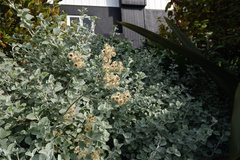 Helichrysum petiolare Silver-bush everlasting-flower Photo: CC BY, Jon Sullivan
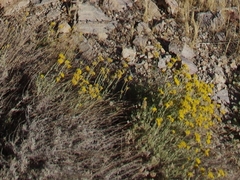 Helichrysum italicum Curry-plant Photo: CC BY, Zac Peterson
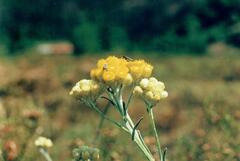 Helichrysum stoechas Goldilocks Photo: CC BY, zebedeugalinha
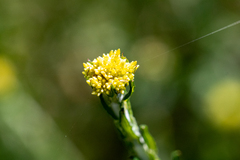 Helichrysum cymosum Fume Everlasting Photo: CC BY-SA, magriet b
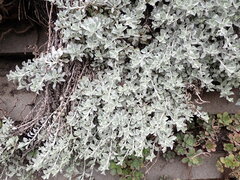 Helichrysum argyrophyllum Amatola Weed Photo: CC BY, Leon Perrie
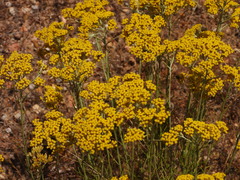 Helichrysum serotinum Photo: CC BY, Duarte Frade
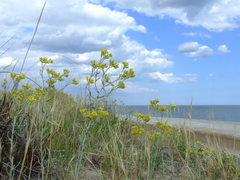 Helichrysum arenarium Sandy everlasting Photo: CC BY, Galyna Mykytynets
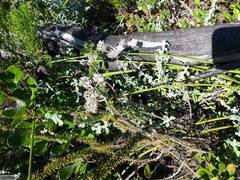 Helichrysum patulum Photo: CC BY-SA, Chris Vynbos
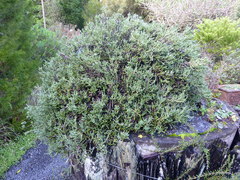 Helichrysum simpsonii Photo: CC BY, Murray NZ
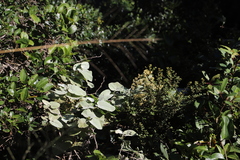 Helichrysum populifolium Poplar Everlasting Photo: CC BY-SA, Suvarna Parbhoo Mohan
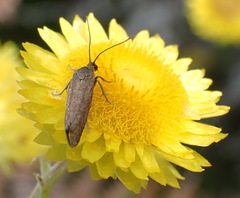 Helichrysum foetidum Stinking everlasting Photo: CC BY-SA, Nicola van Berkel
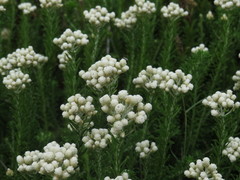 Helichrysum teretifolium Needle Everlasting Photo: CC BY, Jeremy Gilmore
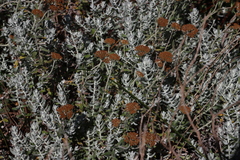 Helichrysum dasyanthum Fynbos Everlasting Photo: CC BY-SA, Tony Rebelo
- no open photograph on file Helichrysum arenicola
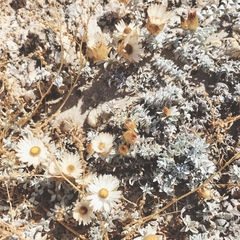 Helichrysum retortum Flask Everlasting Photo: CC0, Trevor Atkins
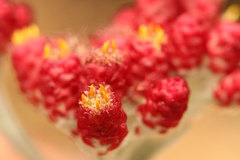 Helichrysum sanguineum Red Everlasting Photo: CC BY-SA, Chaym Turak
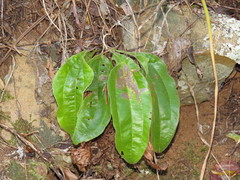 Helichrysum nudifolium Hottentot Tea Everlasting Photo: CC BY, Jeremy Gilmore
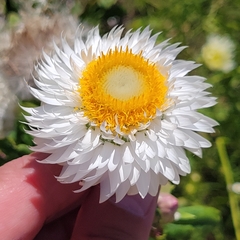 Helichrysum leucopsideum Satin everlasting Photo: CC BY, Matt Pelikan
 Helichrysum melaleucum Photo: CC BY, Jean Jacques Godon
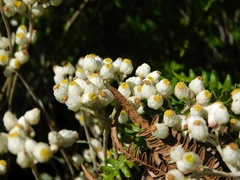 Helichrysum pandurifolium Ear-leaf Strawflower Photo: CC0, Klaus Wehrlin
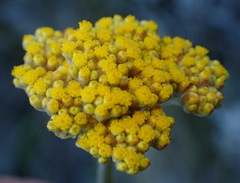 Helichrysum splendidum Cape Gold Photo: CC BY-SA, Nicola van Berkel
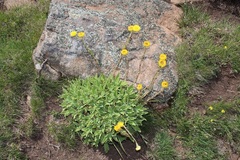 Helichrysum aureum Bright Yellow Everlasting Photo: CC BY-SA, Brian du Preez
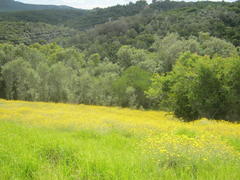 Helichrysum odoratissimum Kooigoed Everlasting Photo: CC0, Di Turner
 Helichrysum thianschanicum Photo: CC BY, Forest & Kim Starr
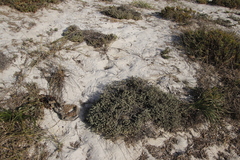 Helichrysum niveum Photo: CC BY-SA, Tony Rebelo
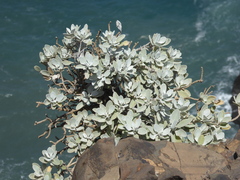 Helichrysum obconicum Photo: CC BY, fmunoz
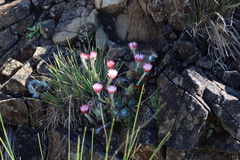 Helichrysum adenocarpum Pink Everlasting Photo: CC BY-SA, Tony Rebelo
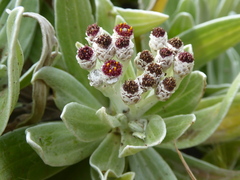 Helichrysum devium Photo: CC BY, fmunoz
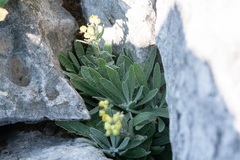 Helichrysum orientale Eastern Strawflower Photo: CC BY, Eleftherios Katsillis
 Helichrysum sutherlandii Mollepelle Photo: CC0, Peter Warren
 Helichrysum cooperi Drakensberg Yellow everlasting Photo: CC0, Peter Warren
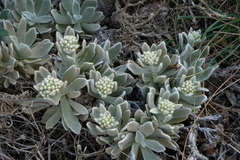 Helichrysum gossypinum Photo: CC BY, fmunoz
 Helichrysum revolutum Pale Everlasting Photo: CC BY, Diana Studer
 Helichrysum amorginum Photo: CC BY-SA, Krzysztof Ziarnek, Kenraiz
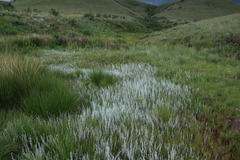 Helichrysum auronitens Golden Everlasting Photo: CC BY-SA, Tony Rebelo
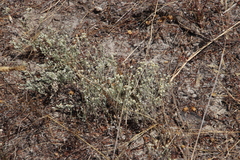 Helichrysum indicum Annual Everlasting Photo: CC BY-SA, Tony Rebelo
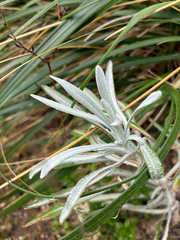 Helichrysum panormitanum Rock helichrysum Photo: CC0, Pia Stermann
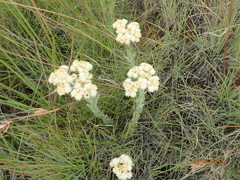 Helichrysum appendiculatum Sheep'S-Ears Photo: CC0, Peter Warren
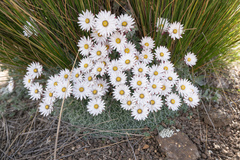 Helichrysum milfordiae Photo: CC BY, Morten Ross
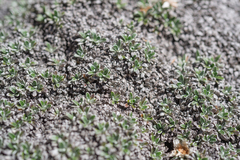 Helichrysum sessilioides Summit Everlasting Photo: CC BY, Morten Ross
 Helichrysum sibthorpii Photo: CC BY-SA, 阿橋 HQ
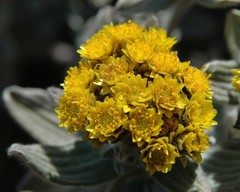 Helichrysum trilineatum Social Everlasting Photo: CC0, flamelily
- no open photograph on file Helichrysum witbergense
 Helichrysum basalticum Photo: CC BY-SA, Stan Shebs
 Helichrysum bellum Photo: CC0, Peter Warren
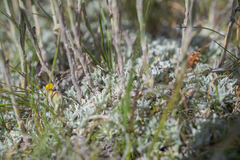 Helichrysum flanaganii Photo: CC BY, Morten Ross
- no open photograph on file Helichrysum graveolens
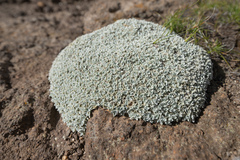 Helichrysum pagophilum Crag everlasting Photo: CC BY, Morten Ross
Grown: iNaturalist's observations of the species marked captive or cultivated; "not counted" where the species list does not count it. Native ranges: Kew's World Checklist of Vascular Plants (Govaerts et al., CC BY 4.0), file of 4 June 2026. Grown: iNaturalist's observations marked captive or cultivated, counted 17 October 2026 (the species list's count). Habitat climate known: the species page has a habitat climate, read from CHELSA's monthly climate and NASA POWER's daily extremes at its well-placed wild records inside Kew's native range; each page says its own sources and days. Record low: the lowest night in NASA POWER's daily series at the habitat's typical spot, as the species page gives it, held in °C to a tenth and shown in your units; each page says its own years and day read. Counts as the reference built on 19 November 2026 holds them. The CSV holds every result, not only this page's.