Lithospermum
11 species in the reference · family Boraginaceae · 11 with a habitat climate · 11 grown, per iNaturalist
About the genus
Lithospermum is a genus of plants belonging to the family Boraginaceae. The genus is distributed nearly worldwide, but most are native to the Americas and the center of diversity is in the southwestern United States and Mexico. Species are known generally as gromwells or stoneseeds.
Quoted from Wikipedia, "Lithospermum", its opening paragraph, revision 1366021646, read 2026-11-08, CC BY-SA 4.0.
Where Lithospermum is native
| Arkansas | 6 |
|---|---|
| Iowa | 6 |
| Minnesota | 6 |
| Missouri | 6 |
| Texas | 6 |
| Wisconsin | 6 |
| Alabama | 5 |
| Colorado | 5 |
| Illinois | 5 |
| Indiana | 5 |
| Kansas | 5 |
| Michigan | 5 |
Species native to each region. A species counts in every region it is native to. Native ranges: Kew's World Checklist of Vascular Plants (Govaerts et al., CC BY 4.0), file of 4 June 2026.
11 species
Lithospermum
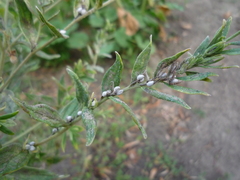 Lithospermum officinale Common gromwell Photo: CC BY, Oleksandr Shynder
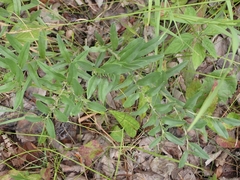 Lithospermum canescens Hoary puccoon Photo: CC BY, Mary Krieger
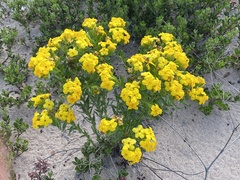 Lithospermum caroliniense Photo: CC0, Nathan Piechocki
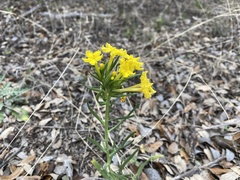 Lithospermum incisum Fringed gromwell Photo: CC BY, Reid Hardin
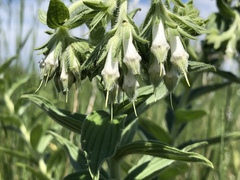 Lithospermum occidentale Western false gromwell Photo: CC0, Owen McElroy
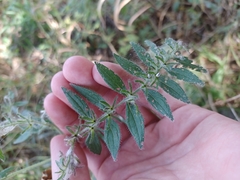 Lithospermum parviflorum Soft-hairy false gromwell Photo: CC BY, Quinten Wiegersma
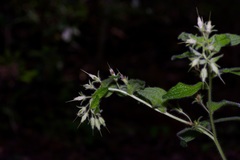 Lithospermum helleri Photo: CC BY, Michelle W. (鍾偉瑋)
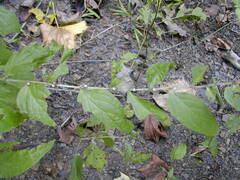 Lithospermum latifolium Broad-leaved puccoon Photo: CC0, Bonnie Isaac
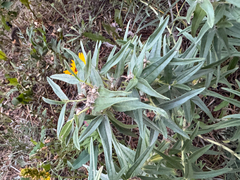 Lithospermum ruderale Columbia puccoon Photo: CC BY, Caleb Catto
 Lithospermum erythrorhizon Purple gromwell Photo: CC BY, Repina Tatyana
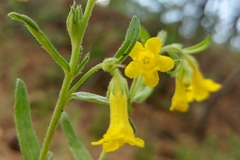 Lithospermum multiflorum Manyflowered stoneseed Photo: CC BY, Casey H. Richart
Grown: iNaturalist's observations of the species marked captive or cultivated; "not counted" where the species list does not count it. Native ranges: Kew's World Checklist of Vascular Plants (Govaerts et al., CC BY 4.0), file of 4 June 2026. Grown: iNaturalist's observations marked captive or cultivated, counted 17 October 2026 (the species list's count). Habitat climate known: the species page has a habitat climate, read from CHELSA's monthly climate and NASA POWER's daily extremes at its well-placed wild records inside Kew's native range; each page says its own sources and days. Record low: the lowest night in NASA POWER's daily series at the habitat's typical spot, as the species page gives it, held in °C to a tenth and shown in your units; each page says its own years and day read. Counts as the reference built on 19 November 2026 holds them. The CSV holds every result, not only this page's.