Parnassia
8 species in the reference · family Celastraceae · 8 with a habitat climate · 5 grown, per iNaturalist, 3 not counted
About the genus
The genus Parnassia, also known as grass of Parnassus or bog-stars, are flowering plants now placed in the family Celastraceae, formerly classified in Parnassiaceae or Saxifragaceae. The plants occur in arctic and alpine habitats, as well as in dune systems and fens, swamps, wet meadows, open seepage areas, moist woods, and across the Northern Hemisphere. It is actually not a grass, but an herbaceous dicot. The stalk of the plant can reach up to 200 millimeters (8 in), the leaves up to 100 mm (4 in) and the petals can be up to 36 mm (1.4 in) wide. More on Wikipedia
Quoted from Wikipedia, "Parnassia", its opening paragraph, revision 1346563104, read 2026-11-08, CC BY-SA 4.0.
Where Parnassia is native
| East Himalaya | 4 |
|---|---|
| Afghanistan | 3 |
| China North-Central | 3 |
| China South-Central | 3 |
| Tibet | 3 |
| West Himalaya | 3 |
| Alaska | 2 |
| Alberta | 2 |
| British Columbia | 2 |
| California | 2 |
| Colorado | 2 |
| Idaho | 2 |
Species native to each region. A species counts in every region it is native to. Native ranges: Kew's World Checklist of Vascular Plants (Govaerts et al., CC BY 4.0), file of 4 June 2026.
8 species
Parnassia
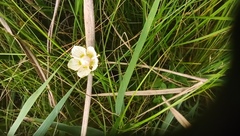 Parnassia palustris Grass-of-Parnassus Photo: CC BY, Nadezhda Kiseleva
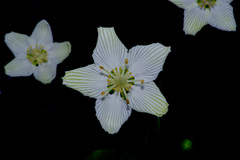 Parnassia asarifolia Grass-of-Parnassus Photo: CC BY, Michelle W. (鍾偉瑋)
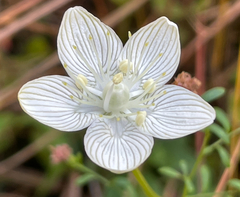 Parnassia caroliniana Carolina grass of Parnassus Photo: CC BY, Michael J. Papay
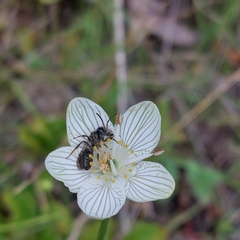 Parnassia glauca Fen grass-of-Parnassus Photo: CC0, Tracy Sherbrook
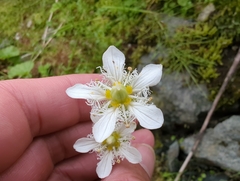 Parnassia fimbriata Photo: CC BY, Matt Muir
 Parnassia delavayi Photo: CC BY, Yves Bas
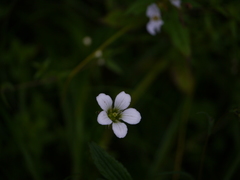 Parnassia nubicola Himalayan bog star Photo: CC BY-SA, Dinesh Valke
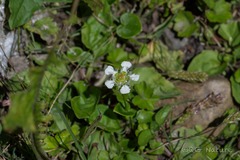 Parnassia wightiana Photo: CC BY, Wang.QG
Grown: iNaturalist's observations of the species marked captive or cultivated; "not counted" where the species list does not count it. Native ranges: Kew's World Checklist of Vascular Plants (Govaerts et al., CC BY 4.0), file of 4 June 2026. Grown: iNaturalist's observations marked captive or cultivated, counted 17 October 2026 (the species list's count). Habitat climate known: the species page has a habitat climate, read from CHELSA's monthly climate and NASA POWER's daily extremes at its well-placed wild records inside Kew's native range; each page says its own sources and days. Record low: the lowest night in NASA POWER's daily series at the habitat's typical spot, as the species page gives it, held in °C to a tenth and shown in your units; each page says its own years and day read. Counts as the reference built on 19 November 2026 holds them. The CSV holds every result, not only this page's.