Plagiobothrys
7 species in the reference · family Boraginaceae · 7 with a habitat climate · 7 grown, per iNaturalist
About the genus
Plagiobothrys is a genus of flowering plants known commonly as popcorn flowers. These are small herbaceous plants which bear tiny white or yellow flowers. Their fruits are nutlets. Although these plants are found predominantly in North America and South America, five species are known from Australia. More on Wikipedia
Quoted from Wikipedia, "Plagiobothrys", its opening paragraph, revision 1365679211, read 2026-11-08, CC BY-SA 4.0.
Where Plagiobothrys is native
| Oregon | 6 |
|---|---|
| California | 5 |
| Washington | 4 |
| British Columbia | 3 |
| Nevada | 3 |
| Arizona | 2 |
| Idaho | 2 |
| Mexico Northwest | 2 |
| Utah | 2 |
| Alberta | 1 |
| Arkansas | 1 |
| Louisiana | 1 |
Species native to each region. A species counts in every region it is native to. Native ranges: Kew's World Checklist of Vascular Plants (Govaerts et al., CC BY 4.0), file of 4 June 2026.
7 species
Plagiobothrys
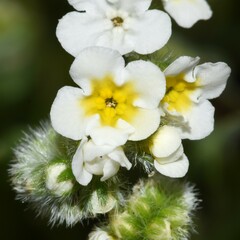 Plagiobothrys figuratus Rough popcornflower Photo: CC BY, Gabriel Campbell-Martinez
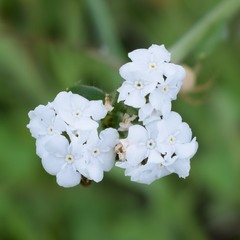 Plagiobothrys nothofulvus Popcorn-flower Photo: CC0, Anne Parsons
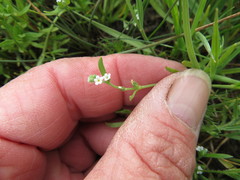 Plagiobothrys scouleri White forget-me-not Photo: CC0, dghjertaas
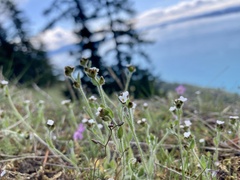 Plagiobothrys tenellus Slender popcornflower Photo: CC BY, Caleb Catto
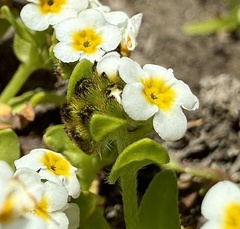 Plagiobothrys chorisianus Artist's popcornflower Photo: CC0, Irene
 Plagiobothrys tener Slender popcornflower Photo: CC0, Steve Woodward
 Plagiobothrys hirtus Rough popcornflower Photo: Public domain, United States Fish and Wildlife Service
Grown: iNaturalist's observations of the species marked captive or cultivated; "not counted" where the species list does not count it. Native ranges: Kew's World Checklist of Vascular Plants (Govaerts et al., CC BY 4.0), file of 4 June 2026. Grown: iNaturalist's observations marked captive or cultivated, counted 17 October 2026 (the species list's count). Habitat climate known: the species page has a habitat climate, read from CHELSA's monthly climate and NASA POWER's daily extremes at its well-placed wild records inside Kew's native range; each page says its own sources and days. Record low: the lowest night in NASA POWER's daily series at the habitat's typical spot, as the species page gives it, held in °C to a tenth and shown in your units; each page says its own years and day read. Counts as the reference built on 19 November 2026 holds them. The CSV holds every result, not only this page's.