Rhaponticum
10 species in the reference · family Asteraceae · 9 with a habitat climate · 8 grown, per iNaturalist, 2 not counted
About the genus
Rhaponticum is a genus of flowering plants in the tribe Cardueae within the family Asteraceae. As of November 2023, it is accepted by Plants of the World Online, but rejected by the Global Compositae Database in favour of Leuzea.
Quoted from Wikipedia, "Rhaponticum", its opening paragraph, revision 1366969164, read 2026-11-08, CC BY-SA 4.0.
Where Rhaponticum is native
| France | 3 |
|---|---|
| Mongolia | 3 |
| Altay | 2 |
| Buryatiya | 2 |
| China North-Central | 2 |
| Inner Mongolia | 2 |
| Iran | 2 |
| Irkutsk | 2 |
| Italy | 2 |
| Kazakhstan | 2 |
| North Caucasus | 2 |
| Qinghai | 2 |
Species native to each region. A species counts in every region it is native to. Native ranges: Kew's World Checklist of Vascular Plants (Govaerts et al., CC BY 4.0), file of 4 June 2026.
10 species
Rhaponticum
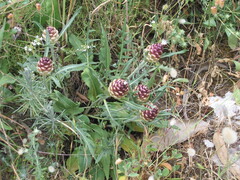 Rhaponticum coniferum Photo: CC BY, zebedeugalinha
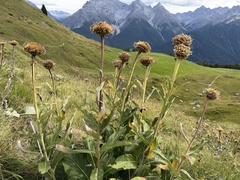 Rhaponticum scariosum Giant Scabiosa Photo: CC BY, Katrin Simon
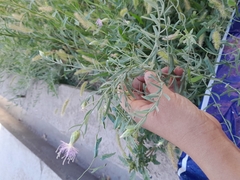 Rhaponticum repens Russian Knapweed Photo: CC BY, G'ofurova Gulxayo
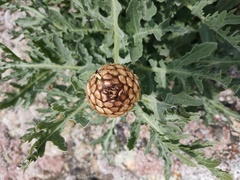 Rhaponticum uniflorum Photo: CC BY, Евгений Егорейченков
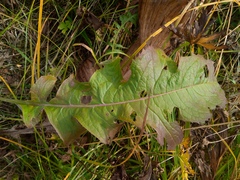 Rhaponticum carthamoides Photo: CC BY, Сергей Голубев
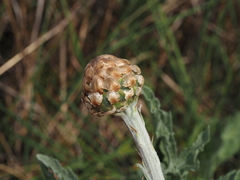 Rhaponticum australe Photo: CC BY, Thomas Mesaglio
- no open photograph on file Rhaponticum canariense
 Rhaponticum centauroides Photo: CC BY, Ben Costamagna
 Rhaponticum pulchrum Photo: CC BY-SA, Krzysztof Ziarnek, Kenraiz
- no open photograph on file Rhaponticum pygmaeum
Grown: iNaturalist's observations of the species marked captive or cultivated; "not counted" where the species list does not count it. Native ranges: Kew's World Checklist of Vascular Plants (Govaerts et al., CC BY 4.0), file of 4 June 2026. Grown: iNaturalist's observations marked captive or cultivated, counted 17 October 2026 (the species list's count). Habitat climate known: the species page has a habitat climate, read from CHELSA's monthly climate and NASA POWER's daily extremes at its well-placed wild records inside Kew's native range; each page says its own sources and days. Record low: the lowest night in NASA POWER's daily series at the habitat's typical spot, as the species page gives it, held in °C to a tenth and shown in your units; each page says its own years and day read. Counts as the reference built on 19 November 2026 holds them. The CSV holds every result, not only this page's.