Trillium
40 species in the reference · family Melanthiaceae · 39 with a habitat climate · 38 grown, per iNaturalist, 2 not counted
About the genus
Trillium (trillium, wakerobin, toadshade, tri flower, birthroot, birthwort, and sometimes "wood lily") is a genus of about fifty flowering plant species in the family Melanthiaceae. Trillium species are native to temperate regions of North America and Asia, with the greatest diversity of species found in the southern Appalachian Mountains in the southeastern United States.
Quoted from Wikipedia, "Trillium", its opening paragraph, revision 1371732809, read 2026-11-08, CC BY-SA 4.0.
Where Trillium is native
| Alabama | 18 |
|---|---|
| Georgia | 18 |
| Tennessee | 17 |
| North Carolina | 13 |
| Kentucky | 12 |
| South Carolina | 12 |
| West Virginia | 9 |
| Illinois | 8 |
| Maryland | 8 |
| Michigan | 8 |
| Ohio | 8 |
| Virginia | 8 |
Species native to each region. A species counts in every region it is native to. Native ranges: Kew's World Checklist of Vascular Plants (Govaerts et al., CC BY 4.0), file of 4 June 2026.
40 species
Trillium
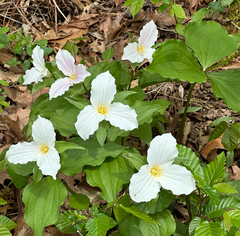 Trillium grandiflorum White trillium Photo: CC BY, aberkov
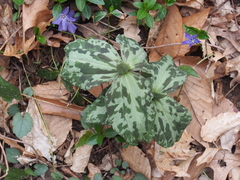 Trillium cuneatum Little sweet Betsy Photo: CC BY-SA, Lena Struwe
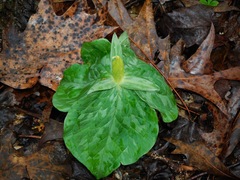 Trillium luteum Yellow wakerobin Photo: CC BY, Michael J. Papay
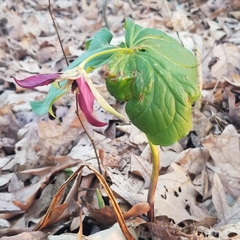 Trillium erectum Red trillium Photo: CC BY, Daniel McClosky
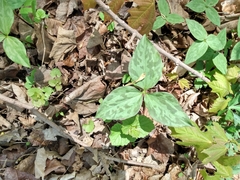 Trillium recurvatum Bloody butcher Photo: CC BY, Max
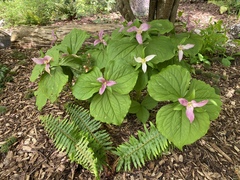 Trillium ovatum Pacific trillium Photo: CC BY, John Leszczynski
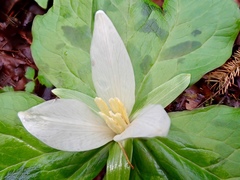 Trillium albidum Giant white wakerobin Photo: CC BY, John Brew
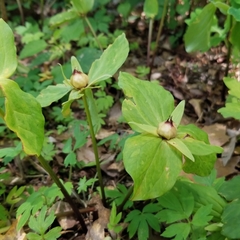 Trillium sessile Toadshade Photo: CC BY, Daniel McClosky
 Trillium flexipes Drooping trillium Photo: CC0, Ira Gershenhorn
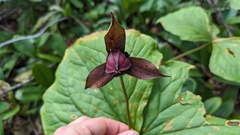 Trillium sulcatum Furrowed wakerobin Photo: CC0, Chase Guindon
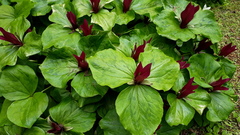 Trillium chloropetalum Giant trillium Photo: CC BY, Doug Miller
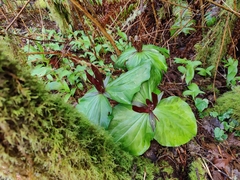 Trillium kurabayashii Giant purple wakerobin Photo: CC BY, Katherine Scott
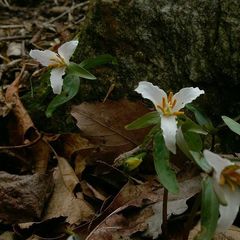 Trillium pusillum Dwarf wakerobin Photo: CC BY, Daniel McClosky
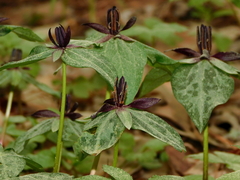 Trillium stamineum Blue Ridge wakerobin Photo: CC BY, Michael J. Papay
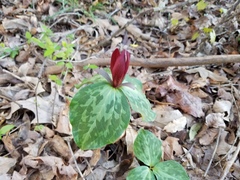 Trillium maculatum Spotted wakerobin Photo: CC BY, Leila Dasher
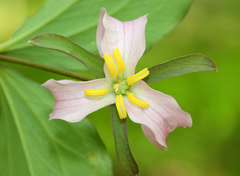 Trillium catesbaei Bashful wakerobin Photo: CC BY, Christine Young
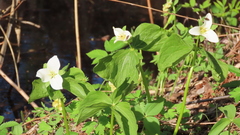 Trillium camschatcense Kamchatka trillium Photo: CC BY, Elena A. Kizilova (Елена А. Кизилова)
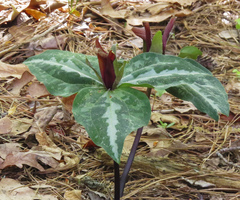 Trillium underwoodii Longbract wakerobin Photo: CC BY, Seig
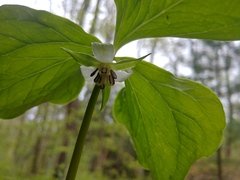 Trillium cernuum Whip-poor-will flower Photo: CC BY, Laura J. Costello
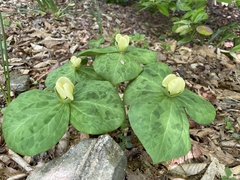 Trillium discolor Mottled wakerobin Photo: CC BY, Graham Williams
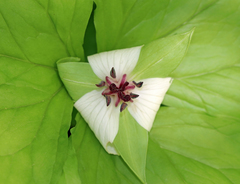 Trillium rugelii Illscented wakerobin Photo: CC BY, Christine Young
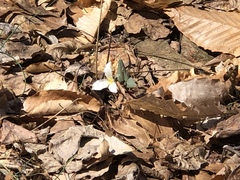 Trillium nivale Snow trillium Photo: CC BY, JHummel
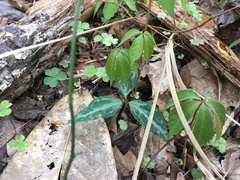 Trillium lancifolium Lanceleaf wakerobin Photo: CC BY, harrier
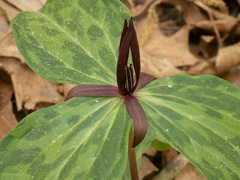 Trillium gracile Slender trillium Photo: CC BY-SA, Turner Brockman
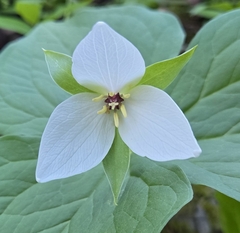 Trillium simile Jeweled wakerobin Photo: CC BY, Ben Gruhot
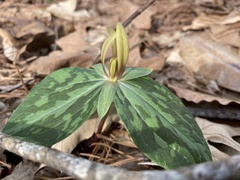 Trillium foetidissimum Mississippi River wakerobin Photo: CC BY, Daniel Patterson
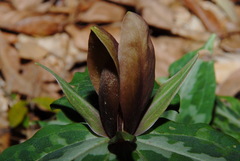 Trillium decipiens Chattahoochee River wakerobin Photo: CC BY-SA, Brian Finzel
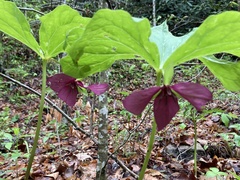 Trillium vaseyi Sweet wakerobin Photo: CC BY, Hill Craddock
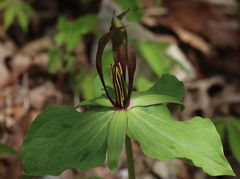 Trillium viridescens Ozark Trillium Photo: CC BY, hr_dragonfly
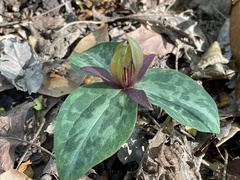 Trillium reliquum Relict trillium Photo: CC BY, Noah Yawn
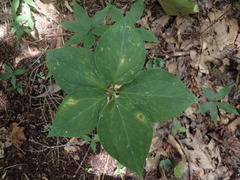 Trillium undulatum Painted trillium Photo: CC BY, Evan M. Raskin
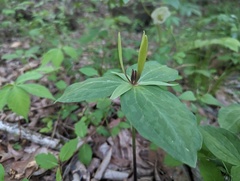 Trillium viride Green Trillium Photo: CC BY, Ryan Sorrells
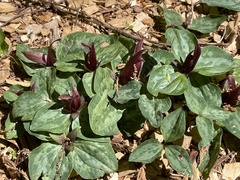 Trillium decumbens Decumbent Trillium Photo: CC BY, Graham Williams
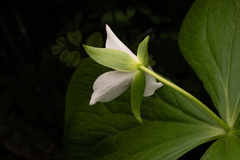 Trillium tschonoskii A Pearl on Head Photo: CC BY, Saryu Mae 前 朝琉
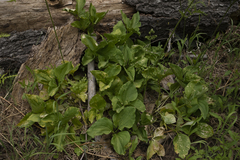 Trillium angustipetalum Narrowpetal wakerobin Photo: CC BY, Michael Warner
- no open photograph on file Trillium georgianum Georgia Dwarf Trillium
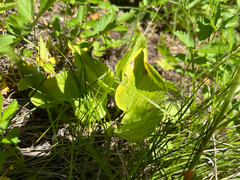 Trillium petiolatum Idaho trillium Photo: CC BY, harrier
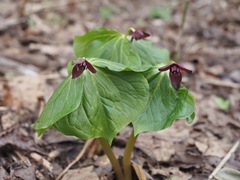 Trillium apetalon Photo: CC BY, ITÔ, Hiroki
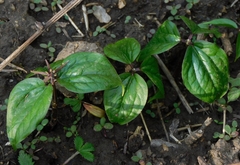 Trillium govanianum Himalayan Trillium Photo: CC BY, Jagdish Singh Negi
 Trillium smallii Kojima Island trillium Photo: CC BY-SA, Alpsdake
Grown: iNaturalist's observations of the species marked captive or cultivated; "not counted" where the species list does not count it. Native ranges: Kew's World Checklist of Vascular Plants (Govaerts et al., CC BY 4.0), file of 4 June 2026. Grown: iNaturalist's observations marked captive or cultivated, counted 17 October 2026 (the species list's count). Habitat climate known: the species page has a habitat climate, read from CHELSA's monthly climate and NASA POWER's daily extremes at its well-placed wild records inside Kew's native range; each page says its own sources and days. Record low: the lowest night in NASA POWER's daily series at the habitat's typical spot, as the species page gives it, held in °C to a tenth and shown in your units; each page says its own years and day read. Counts as the reference built on 19 November 2026 holds them. The CSV holds every result, not only this page's.