Antipodean Is.
TDWG level-3 region ATP
| Species native here | 85 |
|---|---|
| Native nowhere else | 2 |
| With a habitat climate | 82 |
| Grown, per iNaturalist | 80 (5 not counted) |
| Genera, families | 59, 34 |
Beside it in New Zealand: Chatham Is. 228Kermadec Is. 90New Zealand North 810New Zealand South 889
Regions: TDWG's World Geographical Scheme for Recording Plant Distributions, 2nd edition (Brummitt 2001); countries' regions as round eighty's shapes assign Natural Earth's states and provinces (public domain). Next door: regions whose outlines touch, read from those shapes (TDWG's own tables give no neighbours).
85 species
Species native to Antipodean Is.
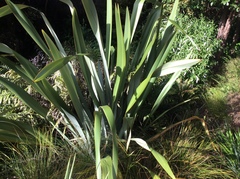 Phormium tenax New Zealand flax Photo: CC BY, Tim Park
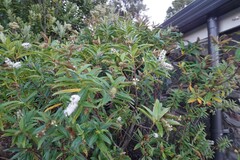 Veronica salicifolia Koromiko Photo: CC BY, Jon Sullivan
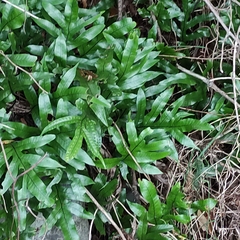 Lecanopteris pustulata Photo: CC BY, Jenny Saito
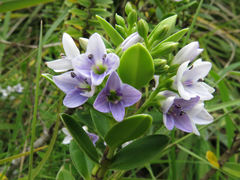 Veronica elliptica Native boxwood Photo: CC BY, John Barkla
 Deschampsia cespitosa Tufted hairgrass Photo: CC BY, Matt Lavin
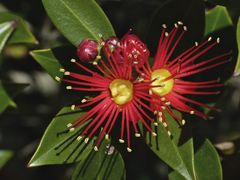 Metrosideros umbellata Southern rātā Photo: CC BY, Steve Kerr
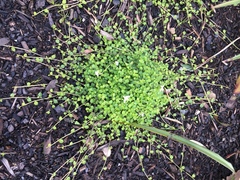 Lobelia angulata Lawn lobelia Photo: CC BY, Robert Vennell
Fuchsia excorticata Tree fuchsia Photo: CC BY-SA, Tony Wills
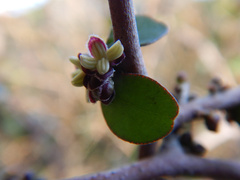 Myrsine divaricata Weeping Mapou Photo: CC BY, Jon Sullivan
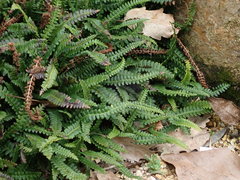 Blechnum penna-marina Photo: CC BY, Daniel Cahen
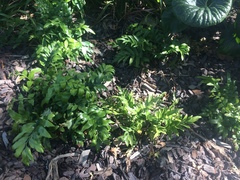 Asplenium oblongifolium Photo: CC BY, Alice Shanks
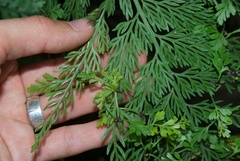 Asplenium bulbiferum Hen-and-chickens Photo: CC BY, Jon Sullivan
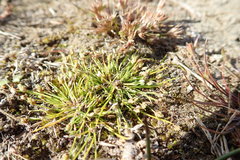 Isolepis cernua Slender club-rush Photo: CC BY, Arnim Littek
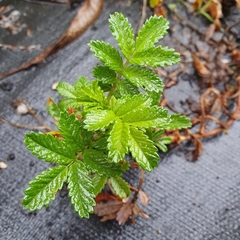 Acaena novae-zelandiae Pirri-pirri-bur Photo: CC BY, Joe Murphy
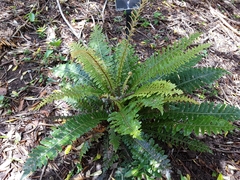 Blechnum discolor Photo: CC BY, Lek Khauv
Coprosma rugosa Needle-leaved mountain coprosma Photo: CC BY, John Barkla
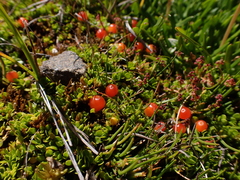 Nertera granadensis Beadplant Photo: CC BY, Nina Kerr
 Crassula moschata Native stonecrop Photo: CC BY, John Barkla
Blechnum fluviatile Photo: CC BY-SA, Colin Meurk
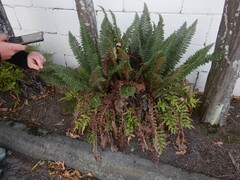 Polystichum vestitum Photo: CC BY, Jon Sullivan
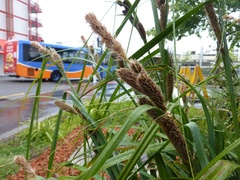 Carex trifida Sword Grass Photo: CC BY, Jon Sullivan
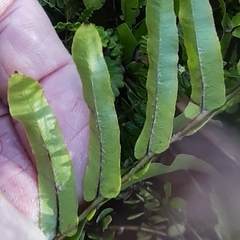 Blechnum minus Photo: CC0, John Barnett
 Hypolepis millefolium Thousand Leaved Fern Photo: CC BY, John Barkla
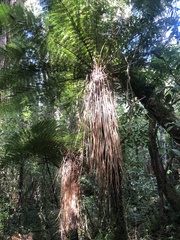 Alsophila smithii Golden Tree Fern Photo: CC BY, Bruce Calvert
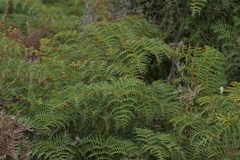 Pteridium esculentum Austral bracken Photo: CC BY-SA, Christopher Stephens
Lepidium oleraceum Photo: CC BY-SA, Colin Meurk
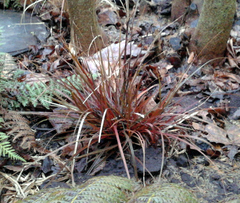 Carex uncinata Photo: CC BY, John Flower
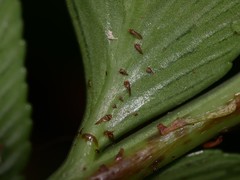 Asplenium obtusatum Photo: CC BY, Leon Perrie
- no open photograph on file Huperzia varia
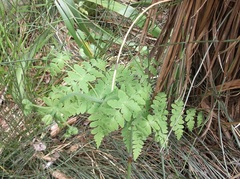 Histiopteris incisa Batwing fern Photo: CC BY, Callan Bird
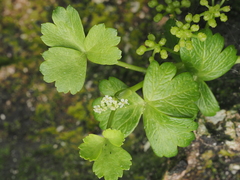 Apium prostratum Prostrate marshwort Photo: CC BY, Saryu Mae 前 朝琉
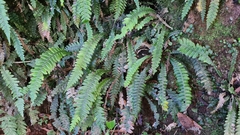 Blechnum chambersii Photo: CC BY, Halema J
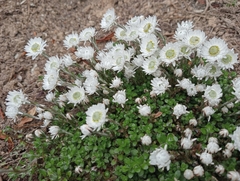 Anaphalioides bellidioides Hell's bells Photo: CC BY, John Barkla
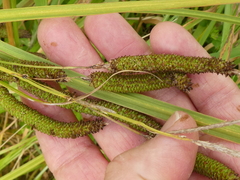 Carex geminata Cutty grass Photo: CC BY, Doug Miller
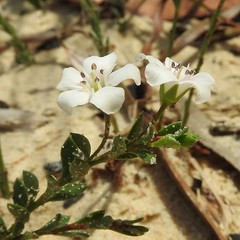 Samolus repens Creeping Brookweed Photo: CC BY, Max Campbell
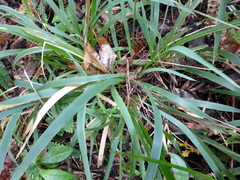 Ehrharta diplax Bush rice grass Photo: CC BY, Murray NZ
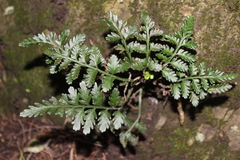 Asplenium appendiculatum Photo: CC BY, Joe Dillon
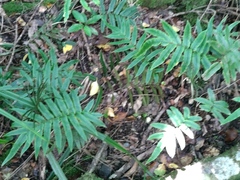 Blechnum procerum Photo: CC BY, Michael Andresek
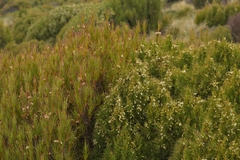 Dracophyllum longifolium Inaka Photo: CC BY-SA, Christopher Stephens
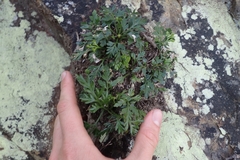 Asplenium flaccidum Makawe O Raukatauri Photo: CC BY, Oscar Dove
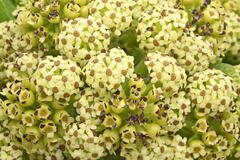 Azorella polaris Macquarie Island cabbage Photo: CC BY, Saryu Mae 前 朝琉
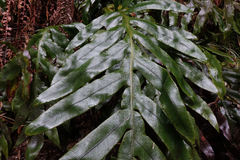 Blechnum colensoi Photo: CC BY, John Barkla
- no open photograph on file Polypogon avenaceus
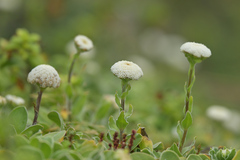 Craspedia uniflora Photo: CC BY-SA, Christopher Stephens
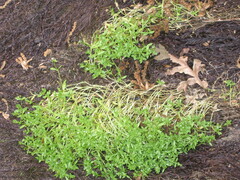 Montia fontana Blinks Photo: CC BY, zebedeugalinha
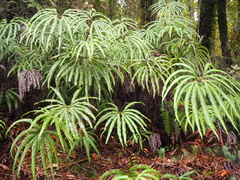 Sticherus cunninghamii Umbrella fern Photo: CC BY, Mike Dickison
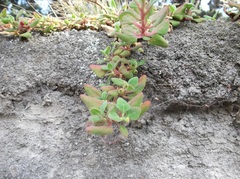 Tetragonia trigyna Photo: CC BY, Callan Bird
 Coprosma foetidissima Photo: CC BY, Saryu Mae 前 朝琉
Grown: iNaturalist's observations of the species marked captive or cultivated; "not counted" where the species list does not count it. Native ranges: Kew's World Checklist of Vascular Plants (Govaerts et al., CC BY 4.0), file of 4 June 2026. Grown: iNaturalist's observations marked captive or cultivated, counted 17 October 2026 (the species list's count). Habitat climate known: the species page has a habitat climate, read from CHELSA's monthly climate and NASA POWER's daily extremes at its well-placed wild records inside Kew's native range; each page says its own sources and days. Record low: the lowest night in NASA POWER's daily series at the habitat's typical spot, as the species page gives it, held in °C to a tenth and shown in your units; each page says its own years and day read. Counts as the reference built on 19 November 2026 holds them. The CSV holds every result, not only this page's.