Chatham Is.
TDWG level-3 region CTM
| Species native here | 228 |
|---|---|
| Native nowhere else | 26 |
| With a habitat climate | 220 |
| Grown, per iNaturalist | 221 (7 not counted) |
| Genera, families | 134, 64 |
Beside it in New Zealand: Antipodean Is. 85Kermadec Is. 90New Zealand North 810New Zealand South 889
Regions: TDWG's World Geographical Scheme for Recording Plant Distributions, 2nd edition (Brummitt 2001); countries' regions as round eighty's shapes assign Natural Earth's states and provinces (public domain). Next door: regions whose outlines touch, read from those shapes (TDWG's own tables give no neighbours).
228 species
Species native to Chatham Is.
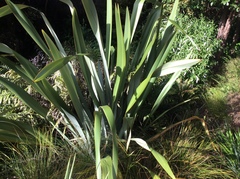 Phormium tenax New Zealand flax Photo: CC BY, Tim Park
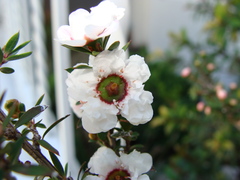 Leptospermum scoparium Broom Tea-tree Photo: CC BY, Alexis López Hernández
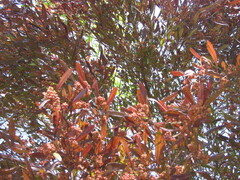 Dodonaea viscosa Hopbush Photo: CC BY, zebedeugalinha
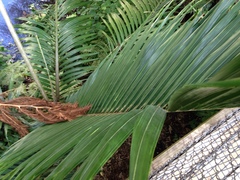 Rhopalostylis sapida Nikau palm Photo: CC BY, Andrea Grover
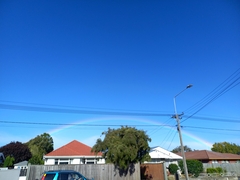 Sophora microphylla Small-leaved kōwhai Photo: CC BY, Colin Meurk
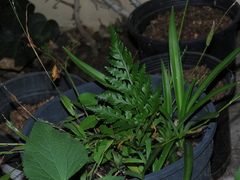 Rumohra adiantiformis Leather fern Photo: CC BY, Jeremy Gilmore
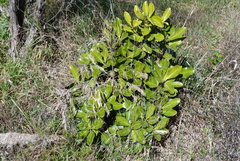 Corynocarpus laevigatus New Zealand laurel Photo: CC BY-SA, Colin Meurk
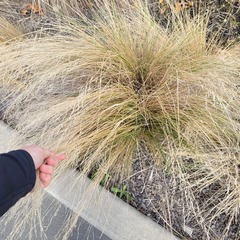 Poa cita Silver tussock Photo: CC BY-SA, Julia Palmer
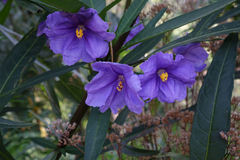 Solanum laciniatum Kangaroo-apple Photo: CC BY, John Barkla
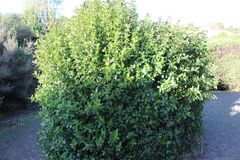 Coprosma robusta Glossy Karamū Photo: CC BY, Joe Potter Butler
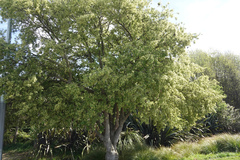 Plagianthus regius Manatu Photo: CC BY, Jon Sullivan
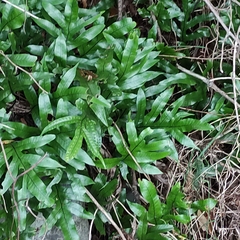 Lecanopteris pustulata Photo: CC BY, Jenny Saito
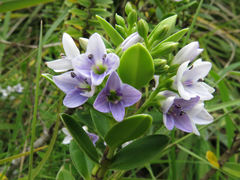 Veronica elliptica Native boxwood Photo: CC BY, John Barkla
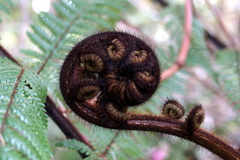 Dicksonia squarrosa New Zealand tree fern Photo: CC BY-SA, dr.scott.mills
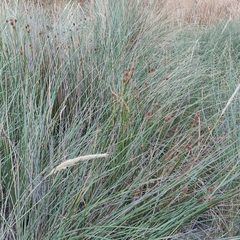 Ficinia nodosa Knobby Club-rush Photo: CC BY, Jenny Saito
 Deschampsia cespitosa Tufted hairgrass Photo: CC BY, Matt Lavin
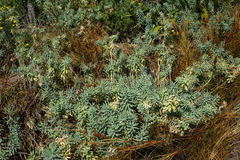 Euphorbia glauca Photo: CC BY, John Barkla
 Alsophila dealbata Photo: CC BY, Steve Evans (babasteve)
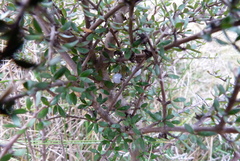 Coprosma propinqua Bouncy bush Photo: CC BY-SA, Colin Meurk
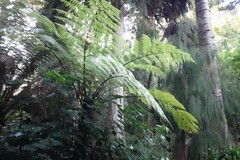 Sphaeropteris medullaris Black tree fern Photo: CC BY, Jon Sullivan
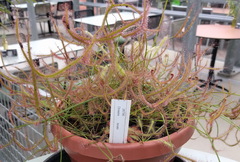 Drosera binata Forked Sundew Photo: CC BY, Michel Langeveld
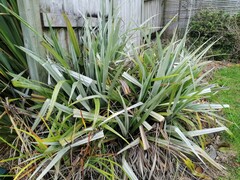 Astelia chathamica Chatham Island Kakaha Photo: CC BY, Grey Smith
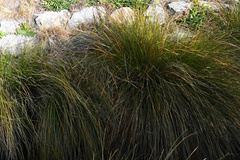 Carex secta Makura Photo: CC BY, Jon Sullivan
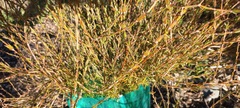 Coprosma acerosa Sand coprosma Photo: CC BY, Mike Bowie
- no open photograph on file Shawia traversiorum
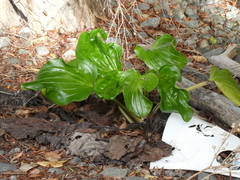 Myosotidium hortensia Giant-forget-me-not Photo: CC BY, Doug Miller
Dicksonia fibrosa Golden tree fern Photo: CC BY-SA, Colin Meurk
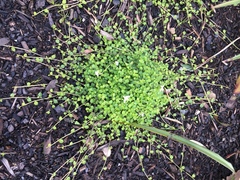 Lobelia angulata Lawn lobelia Photo: CC BY, Robert Vennell
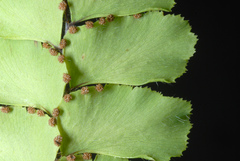 Adiantum hispidulum Rough maidenhair Photo: CC BY-SA, Douglas Goldman
Apodasmia similis Jointed rush Photo: CC BY-SA, Colin Meurk
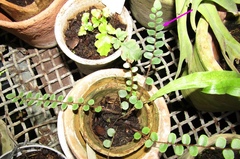 Hemionitis rotundifolia Photo: CC BY, Oleksandr Shynder
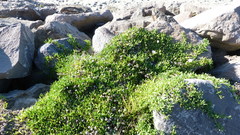 Disphyma australe Photo: CC BY-SA, Colin Meurk
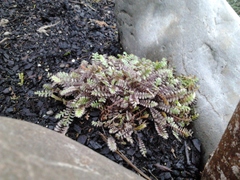 Leptinella squalida New Zealand brass-buttons Photo: CC BY, John Flower
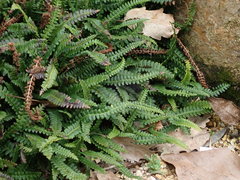 Blechnum penna-marina Photo: CC BY, Daniel Cahen
Brachyglottis repanda Hedge ragwort Photo: CC BY-SA, Colin Meurk
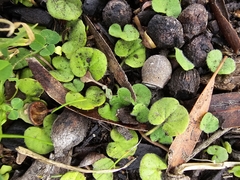 Dichondra repens Mercury Bay-weed Photo: CC BY, Josh
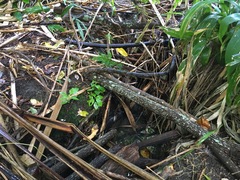 Pteris tremula Australian brake Photo: CC0, Jenny Christianson
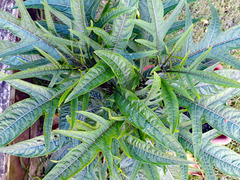 Solanum aviculare New Zealand nightshade Photo: CC0, Peter de Lange
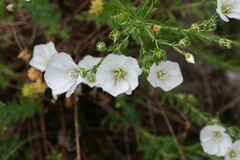 Linum monogynum Photo: CC BY, M Rutherford
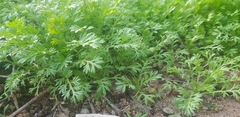 Cotula australis Annual buttonweed Photo: CC BY-SA, Suvarna Parbhoo Mohan
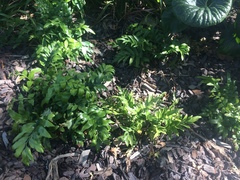 Asplenium oblongifolium Photo: CC BY, Alice Shanks
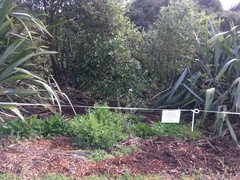 Haloragis erecta Photo: CC0, Jenny Christianson
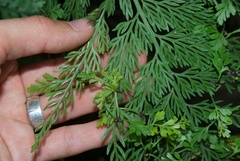 Asplenium bulbiferum Hen-and-chickens Photo: CC BY, Jon Sullivan
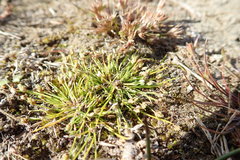 Isolepis cernua Slender club-rush Photo: CC BY, Arnim Littek
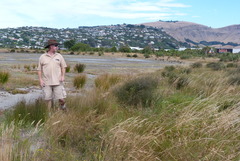 Plagianthus divaricatus Makaka Photo: CC BY-SA, Colin Meurk
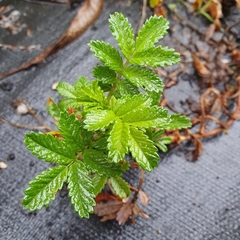 Acaena novae-zelandiae Pirri-pirri-bur Photo: CC BY, Joe Murphy
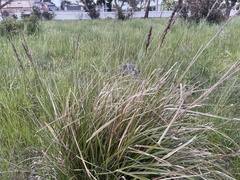 Carex appressa Tall Sedge Photo: CC BY, Dylan Wishart
 Libertia peregrinans Photo: CC BY, Arnim Littek
Grown: iNaturalist's observations of the species marked captive or cultivated; "not counted" where the species list does not count it. Native ranges: Kew's World Checklist of Vascular Plants (Govaerts et al., CC BY 4.0), file of 4 June 2026. Grown: iNaturalist's observations marked captive or cultivated, counted 17 October 2026 (the species list's count). Habitat climate known: the species page has a habitat climate, read from CHELSA's monthly climate and NASA POWER's daily extremes at its well-placed wild records inside Kew's native range; each page says its own sources and days. Record low: the lowest night in NASA POWER's daily series at the habitat's typical spot, as the species page gives it, held in °C to a tenth and shown in your units; each page says its own years and day read. Counts as the reference built on 19 November 2026 holds them. The CSV holds every result, not only this page's.