Azores
TDWG level-3 region AZO
| Species native here | 430 |
|---|---|
| Native nowhere else | 27 |
| With a habitat climate | 427 |
| Grown, per iNaturalist | 419 (11 not counted) |
| Genera, families | 255, 79 |
Beside it in Macaronesia: Canary Is. 946Cape Verde 262Madeira 597Selvagens 68
Regions: TDWG's World Geographical Scheme for Recording Plant Distributions, 2nd edition (Brummitt 2001); countries' regions as round eighty's shapes assign Natural Earth's states and provinces (public domain). Next door: regions whose outlines touch, read from those shapes (TDWG's own tables give no neighbours).
430 species
Species native to Azores
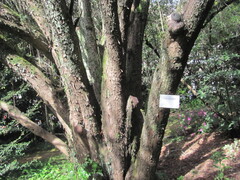 Taxus baccata Yew Photo: CC BY, zebedeugalinha
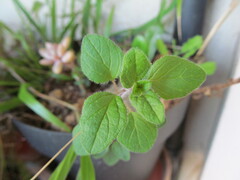 Origanum vulgare Wild marjoram Photo: CC BY, zebedeugalinha
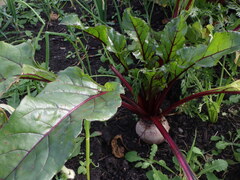 Beta vulgaris Beet Photo: CC BY, Bob
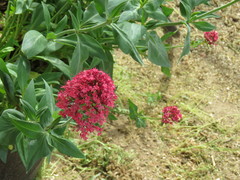 Valeriana rubra Red valerian Photo: CC BY, Rhonda L Broussard
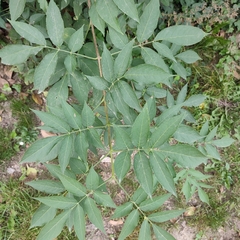 Sambucus nigra Elder Photo: CC0, Quentin Groom
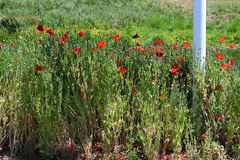 Papaver rhoeas Corn poppy Photo: CC BY, Jon Sullivan
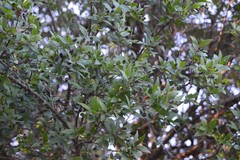 Myrtus communis Myrtle Photo: CC BY, Jon Sullivan
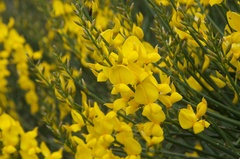 Spartium junceum Spanish broom Photo: CC BY, Jon Sullivan
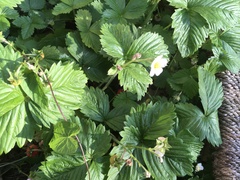 Fragaria vesca Wild strawberry Photo: CC0, Barbara Terhal
 Daucus carota Queen Anne's lace Photo: CC BY, Dominic
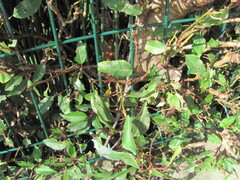 Prunus lusitanica Portugal laurel Photo: CC BY, zebedeugalinha
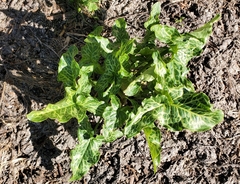 Arum italicum Italian lords-and-ladies Photo: CC BY, mteeter
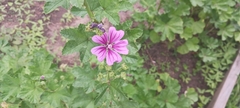 Malva sylvestris Common mallow Photo: CC BY, Seth
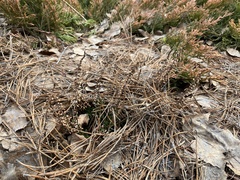 Calluna vulgaris Heather Photo: CC BY, Мария Стрельникова
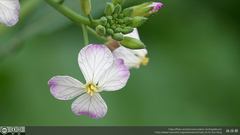 Raphanus raphanistrum Wild radish Photo: CC BY-SA, 林孫鋒(Lin Sun Fong)
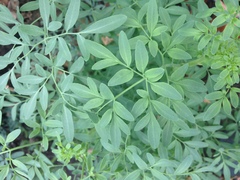 Ruta chalepensis Fringed rue Photo: CC BY, Tereso Hernández Morales
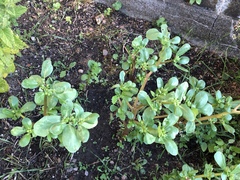 Portulaca oleracea Common purslane Photo: CC BY, Pavel Kacl
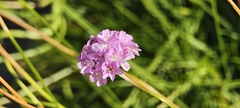 Armeria maritima Thrift Photo: CC BY, Michel Langeveld
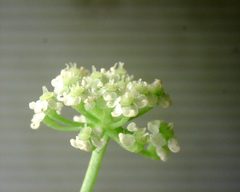 Apium graveolens Wild celery Photo: CC0, 螯蝦
- no open photograph on file Taraxacum sect. Taraxacum
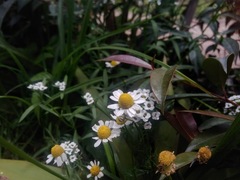 Matricaria chamomilla Scented mayweed Photo: CC BY, Andrés Ramírez-Barrera
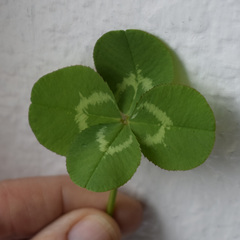 Trifolium repens White clover Photo: CC0, Anne Parsons
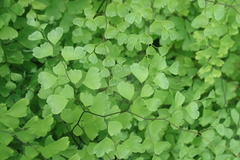 Adiantum capillus-veneris Maidenhair fern Photo: CC0, Di Turner
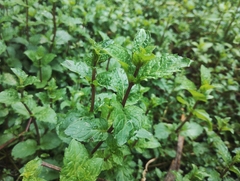 Mentha suaveolens Apple mint Photo: CC BY, The Great Walter
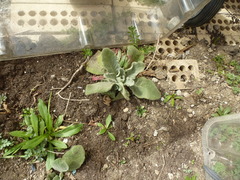 Verbascum thapsus Common mullein Photo: CC0, Ira Gershenhorn
 Cynodon dactylon Bermuda grass Photo: CC BY, Linda Jo Conn
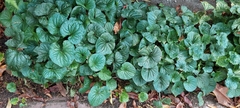 Viola odorata Sweet violet Photo: CC BY, Juan Carlos Caicedo Hernández
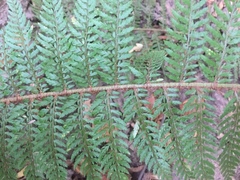 Polystichum setiferum Soft shield-fern Photo: CC BY, Andre Hosper
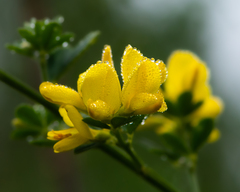 Genista monspessulana Montpellier broom Photo: CC BY-SA, Nicolás Villaseca Merino
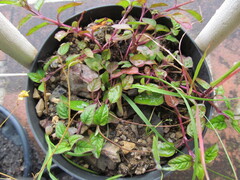 Prunella vulgaris Selfheal Photo: CC BY, zebedeugalinha
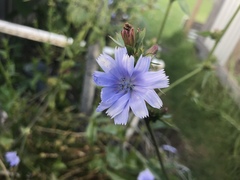 Cichorium intybus Chicory Photo: CC BY, Ann Bentley
 Asplenium scolopendrium Hart's-tongue fern Photo: CC BY-SA, harum.koh
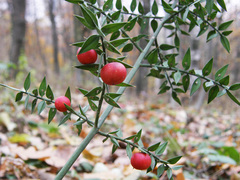 Ruscus aculeatus Butcher's-broom Photo: CC BY, Oleksandr Shynder
Scabiosa atropurpurea Sweet scabious Photo: CC BY-SA, Colin Meurk
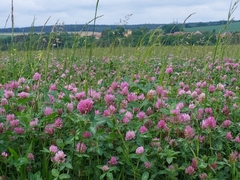 Trifolium pratense Red clover Photo: CC BY, J V
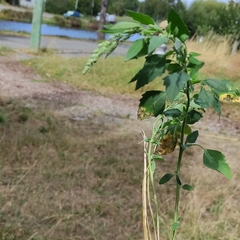 Chenopodium album Lambsquarters Photo: CC BY, Jenny Saito
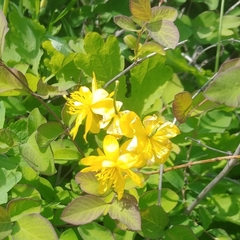 Chelidonium majus Greater celandine Photo: CC BY, Chris Angell
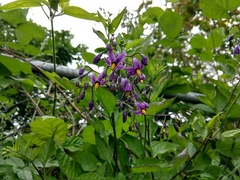 Solanum dulcamara Woody nightshade Photo: CC0, Alexie
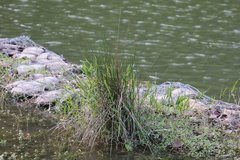 Juncus effusus Soft rush Photo: CC BY, 胡正恆(Jackson Hu)
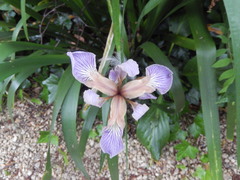 Iris foetidissima Stinking iris Photo: CC BY, Y. Liu
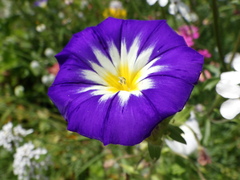 Convolvulus tricolor Tricolour convolvulus Photo: CC BY, Bob
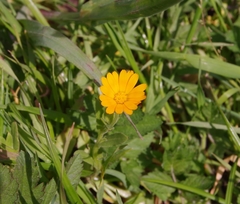 Calendula arvensis Field marigold Photo: CC BY, Dan Killam
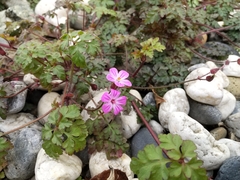 Geranium robertianum Herb-Robert Photo: CC BY, Dan Killam
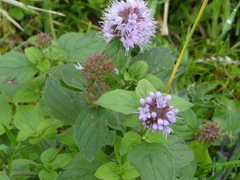 Mentha aquatica Water mint Photo: CC BY, Michael Hansen
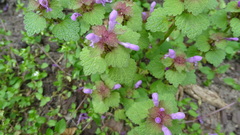 Lamium purpureum Red dead-nettle Photo: CC0, anbalemans
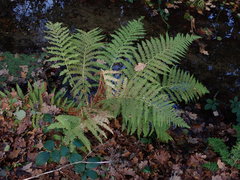 Athyrium filix-femina Lady-fern Photo: CC BY, Daniel Cahen
Plantago lanceolata English plantain Photo: CC BY-SA, Colin Meurk
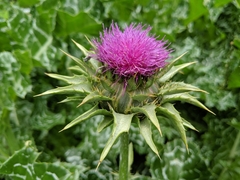 Silybum marianum Milk thistle Photo: CC BY, Attila Oláh
Grown: iNaturalist's observations of the species marked captive or cultivated; "not counted" where the species list does not count it. Native ranges: Kew's World Checklist of Vascular Plants (Govaerts et al., CC BY 4.0), file of 4 June 2026. Grown: iNaturalist's observations marked captive or cultivated, counted 17 October 2026 (the species list's count). Habitat climate known: the species page has a habitat climate, read from CHELSA's monthly climate and NASA POWER's daily extremes at its well-placed wild records inside Kew's native range; each page says its own sources and days. Record low: the lowest night in NASA POWER's daily series at the habitat's typical spot, as the species page gives it, held in °C to a tenth and shown in your units; each page says its own years and day read. Counts as the reference built on 19 November 2026 holds them. The CSV holds every result, not only this page's.