Mexico
TDWG region 79, 7 level-3 regions
| Species native here | 6,607 |
|---|---|
| Native nowhere else | 1,829 |
| With a habitat climate | 6,149 |
| Grown, per iNaturalist | 6,028 (579 not counted) |
| Genera, families | 1,726, 234 |
In it: Mexican Pacific Is. 141Mexico Central 2,526Mexico Gulf 2,874Mexico Northeast 4,008Mexico Northwest 2,925Mexico Southeast 2,807Mexico Southwest 3,657
Beside it in Northern America: Eastern Canada 1,742North-Central U.S.A. 2,748Northeastern U.S.A. 2,333Northwestern U.S.A. 2,614South-Central U.S.A. 3,356Southeastern U.S.A. 3,370Southwestern U.S.A. 3,519Subarctic America 995Western Canada 1,800
Next door: Texas 2,695California 2,597Guatemala 2,450New Mexico 1,826Arizona 1,798Belize 1,459
Countries: Mexico 6,607
Regions: TDWG's World Geographical Scheme for Recording Plant Distributions, 2nd edition (Brummitt 2001); countries' regions as round eighty's shapes assign Natural Earth's states and provinces (public domain). Next door: regions whose outlines touch, read from those shapes (TDWG's own tables give no neighbours).
6,607 species
Species native to Mexico
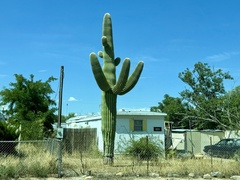 Carnegiea gigantea Saguaro Photo: CC BY, CK2AZ
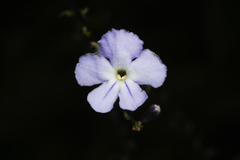 Duranta erecta Pigeonberry Photo: CC BY, Daniel Mesa
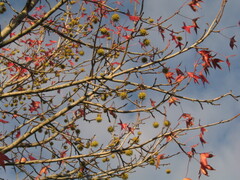 Liquidambar styraciflua Sweet-gum Photo: CC BY, zebedeugalinha
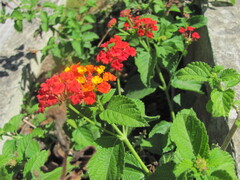 Lantana camara Common lantana Photo: CC BY, zebedeugalinha
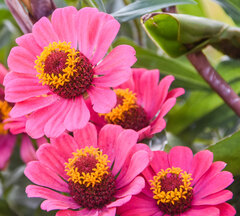 Zinnia elegans Youth-and-age Photo: CC BY, Jay Pruett
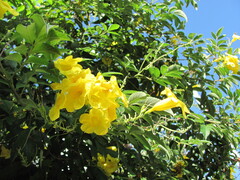 Tecoma stans Yellow bells Photo: CC BY, zebedeugalinha
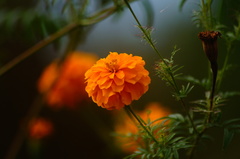 Tagetes erecta African marigold Photo: CC BY, Carlos Domínguez-Rodríguez
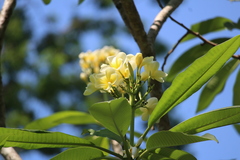 Plumeria rubra Frangipani Photo: CC BY, Ricard Busquets Reverte
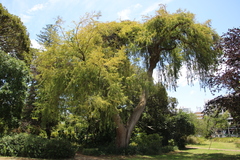 Taxodium distichum Bald cypress Photo: CC BY-SA, Tony Rebelo
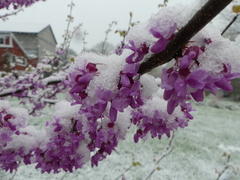 Cercis canadensis Eastern redbud Photo: CC BY, botanygirl
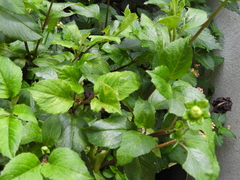 Dahlia pinnata Pinnate dahlia Photo: CC BY-SA, Oscar Alejandro Morales Juárez
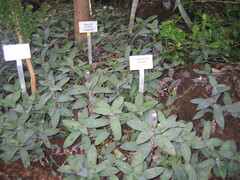 Tradescantia pallida Purple Heart Photo: CC BY, zebedeugalinha
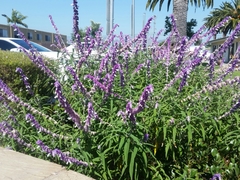 Salvia leucantha Mexican bush sage Photo: CC BY, Bob Miller
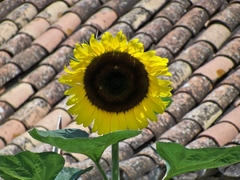 Helianthus annuus Sunflower Photo: CC BY-SA, Daniel Capilla
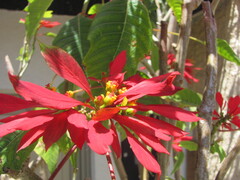 Euphorbia pulcherrima Poinsettia Photo: CC BY, zebedeugalinha
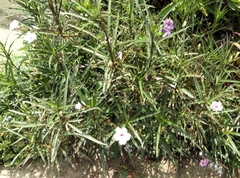 Ruellia simplex Softseed wild petunia Photo: CC BY, Greg III Espera
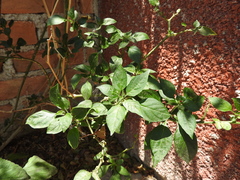 Capsicum annuum Sweet pepper Photo: CC BY-SA, Oscar Alejandro Morales Juárez
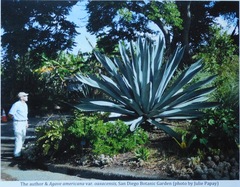 Agave americana Century-plant Photo: CC BY, Michael J. Papay
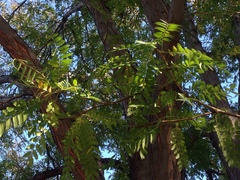 Gleditsia triacanthos Honey-locust Photo: CC0, Aaron Sidder
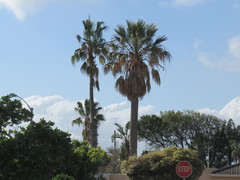 Washingtonia filifera California fan palm Photo: CC BY, Jeremy Gilmore
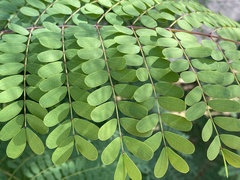 Caesalpinia pulcherrima Pride-of-Barbados Photo: CC BY, Daniel McNair
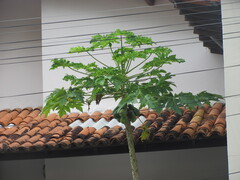 Carica papaya Papaya Photo: CC BY, zebedeugalinha
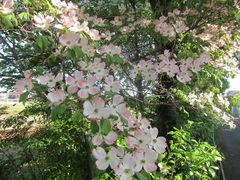 Cornus florida Flowering dogwood Photo: CC BY, Marco Mussita
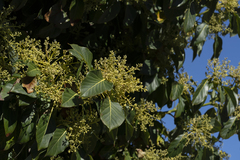 Persea americana Avocado Photo: CC BY, Eleftherios Katsillis
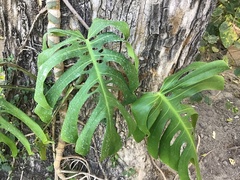 Monstera deliciosa Swiss cheese plant Photo: CC BY, Robert Taylor
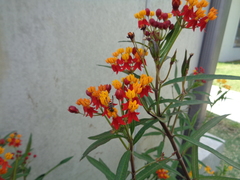 Asclepias curassavica Bloodflower Photo: CC BY, Zazil Dellamary
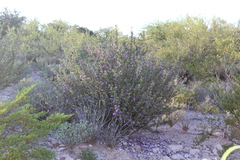 Leucophyllum frutescens Texas barometer bush Photo: CC BY-SA, Eliseo D Moreno
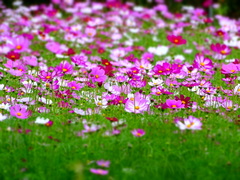 Cosmos bipinnatus Garden cosmos Photo: CC0, 葉子
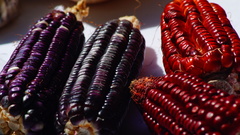 Zea mays Maize Photo: CC BY, Carlos Domínguez-Rodríguez
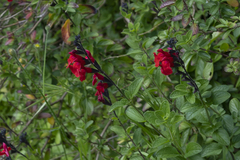 Salvia microphylla Baby sage Photo: CC BY, Eleftherios Katsillis
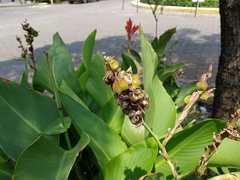 Canna indica Indian shot Photo: CC BY-SA, Martín Sánchez Vilchis
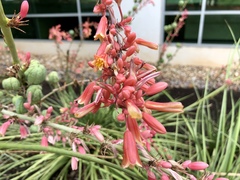 Hesperaloe parviflora Red hesperaloe Photo: CC BY, Sue Ann Kendall
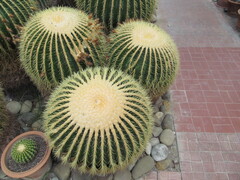 Kroenleinia grusonii Barrel cactus Photo: CC BY, zebedeugalinha
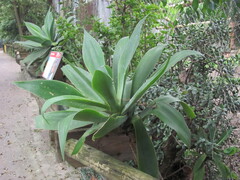 Agave attenuata Fox tail agave Photo: CC BY, zebedeugalinha
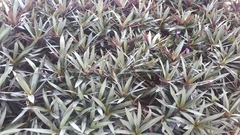 Tradescantia spathacea Boat-lily Photo: CC BY-SA, Ong Jyh Seng
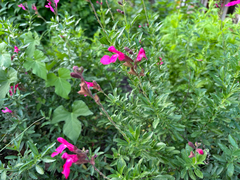 Salvia greggii San Antone-oregano Photo: CC BY, Dylan Mahood
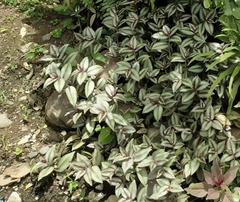 Tradescantia zebrina Inch-plant Photo: CC BY, Greg III Espera
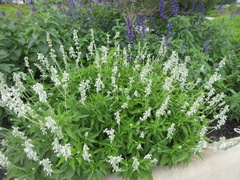 Salvia farinacea Mealy-cup sage Photo: CC0, Karen Wilson
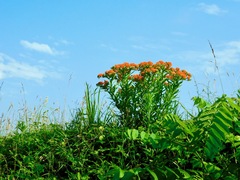 Asclepias tuberosa Butterfly milkweed Photo: CC BY, Michael J. Papay
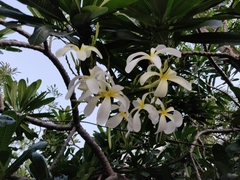 Plumeria obtusa Singapore graveyard flower Photo: CC BY, Rohit Naniwadekar
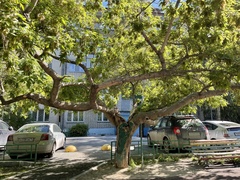 Acer negundo Box-elder Photo: CC BY, Алёна Осипова
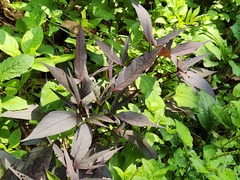 Ipomoea batatas Sweet potato Photo: CC BY, 胡正恆(Jackson Hu)
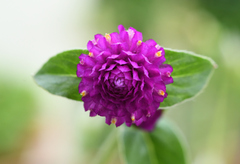 Gomphrena globosa Common globe amaranth Photo: CC BY, sunnyjosef
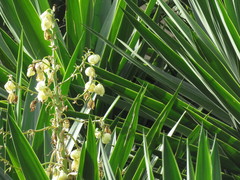 Yucca gigantea Spineless Yucca Photo: CC BY, Juan Carlos Caicedo Hernández
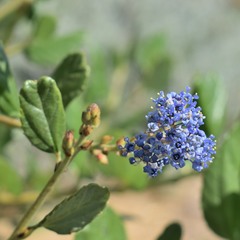 Ceanothus thyrsiflorus Blue blossom ceanothus Photo: CC0, Anne Parsons
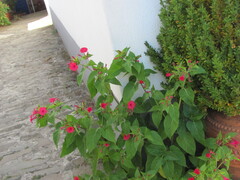 Mirabilis jalapa Marvel of Peru Photo: CC BY, zebedeugalinha
 Cucurbita pepo Marrow Photo: CC BY-SA, Douglas Goldman
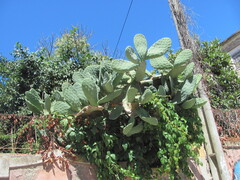 Opuntia ficus-indica Indian-fig Photo: CC BY, zebedeugalinha
Grown: iNaturalist's observations of the species marked captive or cultivated; "not counted" where the species list does not count it. Native ranges: Kew's World Checklist of Vascular Plants (Govaerts et al., CC BY 4.0), file of 4 June 2026. Grown: iNaturalist's observations marked captive or cultivated, counted 17 October 2026 (the species list's count). Habitat climate known: the species page has a habitat climate, read from CHELSA's monthly climate and NASA POWER's daily extremes at its well-placed wild records inside Kew's native range; each page says its own sources and days. Record low: the lowest night in NASA POWER's daily series at the habitat's typical spot, as the species page gives it, held in °C to a tenth and shown in your units; each page says its own years and day read. Counts as the reference built on 19 November 2026 holds them. The CSV holds every result, not only this page's.