Nebraska
TDWG level-3 region NEB
| Species native here | 1,112 |
|---|---|
| Native nowhere else | 0 |
| With a habitat climate | 1,108 |
| Grown, per iNaturalist | 1,098 (14 not counted) |
| Genera, families | 478, 120 |
Beside it in North-Central U.S.A.: Illinois 1,735Iowa 1,268Kansas 1,292Minnesota 1,399Missouri 1,591North Dakota 853Oklahoma 1,670South Dakota 1,072Wisconsin 1,458
Next door: Missouri 1,591Colorado 1,455Kansas 1,292Wyoming 1,275Iowa 1,268South Dakota 1,072
Regions: TDWG's World Geographical Scheme for Recording Plant Distributions, 2nd edition (Brummitt 2001); countries' regions as round eighty's shapes assign Natural Earth's states and provinces (public domain). Next door: regions whose outlines touch, read from those shapes (TDWG's own tables give no neighbours).
1,112 species
Species native to Nebraska
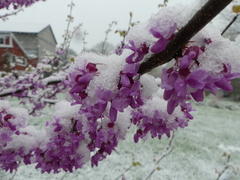 Cercis canadensis Eastern redbud Photo: CC BY, botanygirl
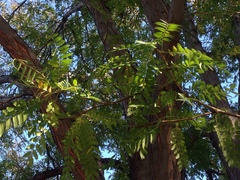 Gleditsia triacanthos Honey-locust Photo: CC0, Aaron Sidder
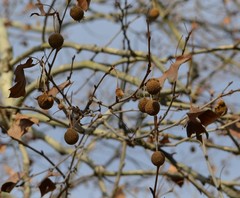 Platanus occidentalis American sycamore Photo: CC0, lanechaffin
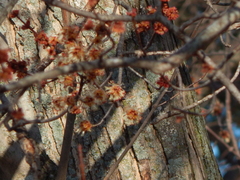 Acer saccharinum Silver maple Photo: CC0, Tom Lazar
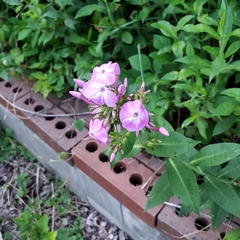 Phlox paniculata Fall phlox Photo: CC BY, Dawn
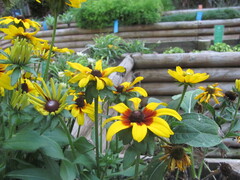 Rudbeckia hirta Black-eyed Susan Photo: CC BY, zebedeugalinha
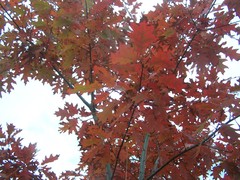 Quercus rubra Northern red oak Photo: CC0, Joseph Savage
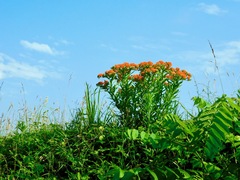 Asclepias tuberosa Butterfly milkweed Photo: CC BY, Michael J. Papay
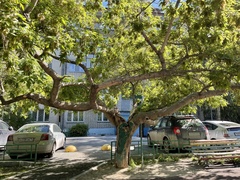 Acer negundo Box-elder Photo: CC BY, Алёна Осипова
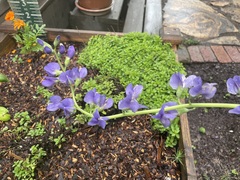 Baptisia australis Blue wild indigo Photo: CC BY-SA, lejones417
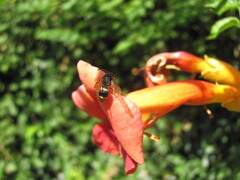 Campsis radicans Trumpet-creeper Photo: CC BY, zebedeugalinha
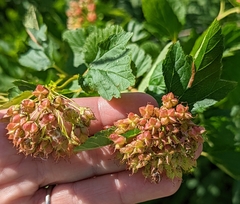 Physocarpus opulifolius Ninebark Photo: CC BY, Tom and T Herman
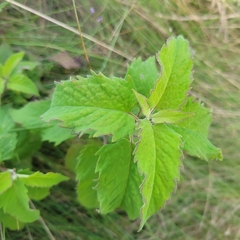 Monarda fistulosa Wild bergamot Photo: CC BY, Veronica Jendrick
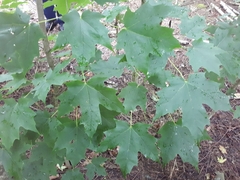 Acer saccharum Sugar maple Photo: CC BY, Manuel R Popp
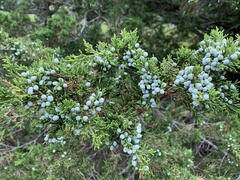 Juniperus virginiana Eastern red-cedar Photo: CC BY, Juvia Heuchert
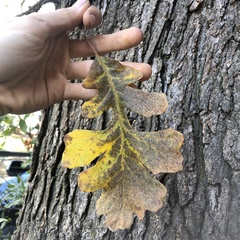 Quercus macrocarpa Bur oak Photo: CC BY, Andrew Conboy
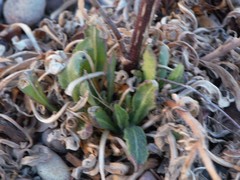 Gaillardia pulchella Firewheel Photo: CC BY, Elliott Gordon
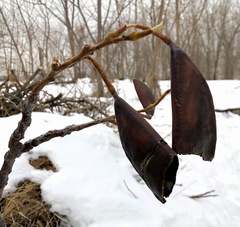 Gymnocladus dioicus Kentucky coffee-tree Photo: CC BY-SA, Nova Patch
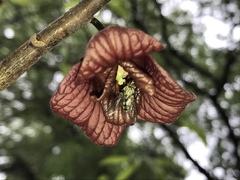 Asimina triloba Pawpaw Photo: CC BY, Northcut
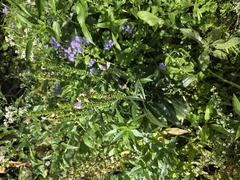 Physostegia virginiana Obedient plant Photo: CC BY, Brian Magurn
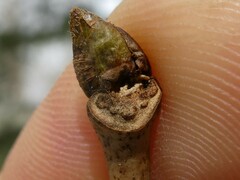 Tilia americana American basswood Photo: CC0, Bruce Cook
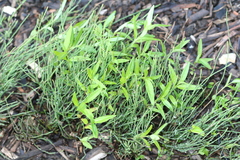 Asclepias incarnata Swamp milkweed Photo: CC BY, Randy A Nonenmacher
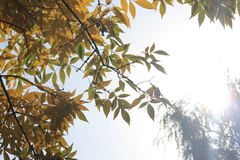 Fraxinus pennsylvanica Green ash Photo: CC0, KsenoSnake
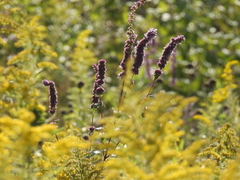 Agastache foeniculum Blue giant-hyssop Photo: CC BY, Liren Varghese
 Symphoricarpos albus Common Snowberry Photo: CC0, Älven
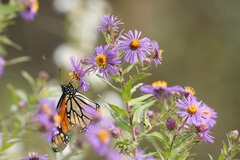 Symphyotrichum novae-angliae Hairy Michaelmas daisy Photo: CC0, Glenn Berry
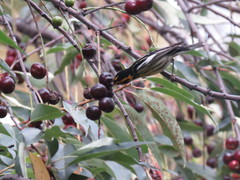 Prunus serotina Black cherry Photo: CC BY, Juan Carlos Caicedo Hernández
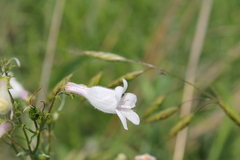 Penstemon digitalis Foxglove beardtongue Photo: CC BY, Dominic
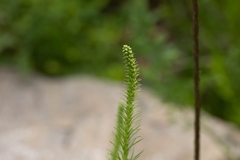 Liatris spicata Dense blazing star Photo: CC BY, Kalvin Chan
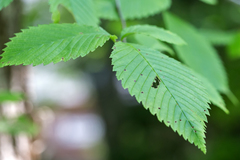 Ulmus americana American elm Photo: CC BY, Bill Keim
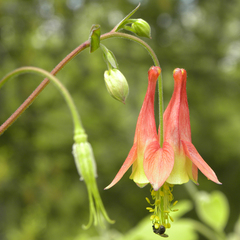 Aquilegia canadensis Honeysuckle Photo: CC BY, M. Whitson
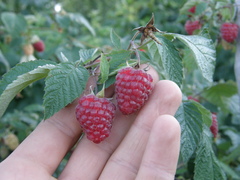 Rubus idaeus Raspberry Photo: CC BY, Oleksandr Shynder
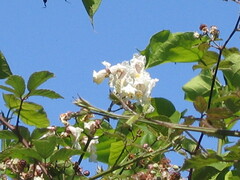 Catalpa speciosa Northern catalpa Photo: CC BY, zebedeugalinha
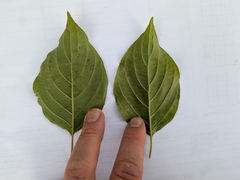 Cornus sericea Red-osier dogwood Photo: CC BY, Jeff Hansen
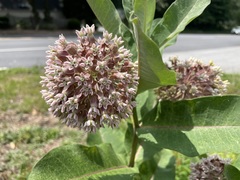 Asclepias syriaca Common milkweed Photo: CC BY-SA, lejones417
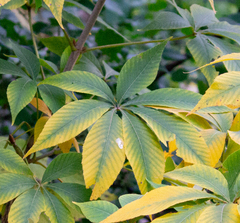 Aesculus glabra Ohio buckeye Photo: CC BY-SA, Pauline Brock
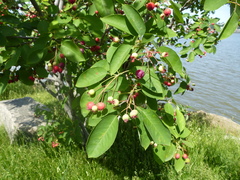 Amelanchier arborea Downy serviceberry Photo: CC0, Ira Gershenhorn
 Juglans nigra Black walnut Photo: CC BY, Марина Тарасова
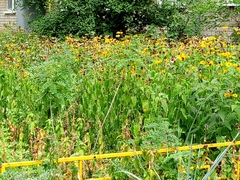 Heliopsis helianthoides Rough oxeye Photo: CC0, Татьяна Горбушина
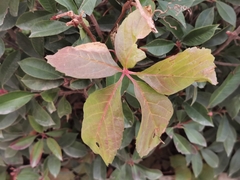 Parthenocissus quinquefolia Virginia creeper Photo: CC BY-SA, Zinogre
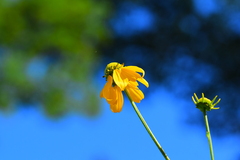 Rudbeckia laciniata Coneflower Photo: CC BY, Bernie Paquette
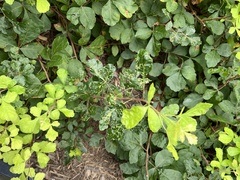 Rhus aromatica Fragrant sumac Photo: CC BY, Frederick Nunley
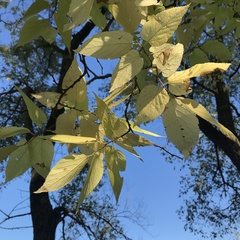 Celtis occidentalis Hackberry Photo: CC BY, Mical
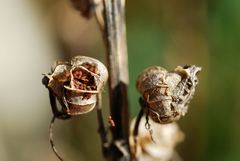 Lobelia cardinalis Cardinal-flower Photo: CC BY-SA, Douglas Goldman
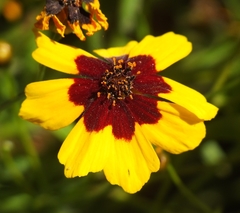 Coreopsis tinctoria Garden tickseed Photo: CC BY, Иван Пристрем
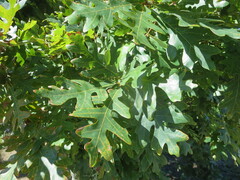 Quercus alba White oak Photo: CC0, Nonbinary-Naturalist
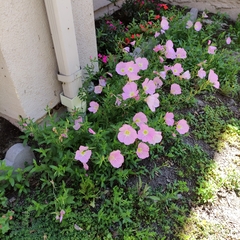 Oenothera speciosa Pinkladies Photo: CC BY, Jenny Saito
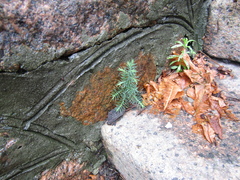 Juniperus communis Common juniper Photo: CC BY, Oleksandr Shynder
Grown: iNaturalist's observations of the species marked captive or cultivated; "not counted" where the species list does not count it. Native ranges: Kew's World Checklist of Vascular Plants (Govaerts et al., CC BY 4.0), file of 4 June 2026. Grown: iNaturalist's observations marked captive or cultivated, counted 17 October 2026 (the species list's count). Habitat climate known: the species page has a habitat climate, read from CHELSA's monthly climate and NASA POWER's daily extremes at its well-placed wild records inside Kew's native range; each page says its own sources and days. Record low: the lowest night in NASA POWER's daily series at the habitat's typical spot, as the species page gives it, held in °C to a tenth and shown in your units; each page says its own years and day read. Counts as the reference built on 19 November 2026 holds them. The CSV holds every result, not only this page's.